
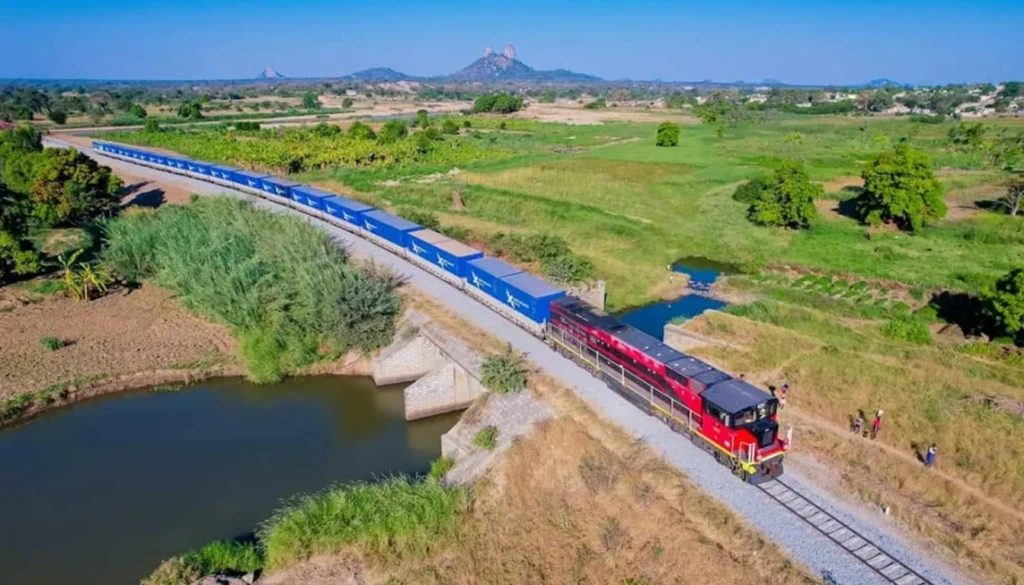
Beneath the red soil of southern DR Congo lies the cobalt that powers the world’s phones and electric cars, yet many Congolese still live in poverty. The Lobito Corridor, a rail and road route linking Congo’s mining belt to Angola’s Atlantic coast, is Washington’s big bet on changing that story. Backers say it will bring jobs, trade and stability. Critics have heard such promises before.
A Railway Built for Minerals
The plan is simple on paper. The core of the project is a 1,300 km railway running from Angola’s port of Lobito to the copperbelt regions of DR Congo and Zambia. Today, the journey from Congo and Zambia to export ports can take around a month, so a direct line to the Atlantic could cut costs sharply. Washington says it has mobilised close to $6bn in financing. Congo also produces over 70 percent of the world’s cobalt, which explains the American interest.
Peace on the Same Track?
Timing matters. In June 2025, DR Congo and Rwanda signed a US-brokered deal, and Secretary of State Marco Rubio spoke of long-awaited prosperity for one of Africa’s most resource-rich but conflict-prone regions. But the fragility showed immediately: hours before the signing, militia attackers killed 10 people at a displacement camp in Ituri. A railway cannot silence guns that are still firing in the east.
Who Really Gains?
Ordinary Congolese are divided. One resident told Al Jazeera the project is a lifesaver for a community with no jobs. Others fear a repeat of history. Analysts warn the corridor risks perpetuating the resource curse, with wealth serving foreign powers rather than local people. Even supporters of the deal admit the test is value. As one policy group argues, the US must back higher-value investment in mineral processing and manufacturing, or its approach will look no better than China’s.
For Africans watching from Lubumbashi to Lusaka, the question is practical. Will local factories refine the copper, will Congolese firms win contracts, and will mining towns see clinics and schools? If raw ore simply rolls to the coast, the Lobito Corridor will be a highway for others. If processing, jobs and fair revenue stay at home, it could become the continent’s best proof that critical minerals can lift the people who live above them.
Read More
Botswana Ivory Coast Deals: Two African Economies Bet on Each Other
Sudan War Drones: The Cheap Machines Now Killing Most of Sudan’s Civilians
US Basketball Player Arrested in Nigeria After 34kg Cannabis Haul Found at Lagos Airport
Ethiopia Moyale Clashes: How a Border Dispute Is Emptying Markets and Pushing Thousands into Kenya
Zambia Copper Boom: Billions Pour In, but Do Ordinary Zambians Feel It?
