
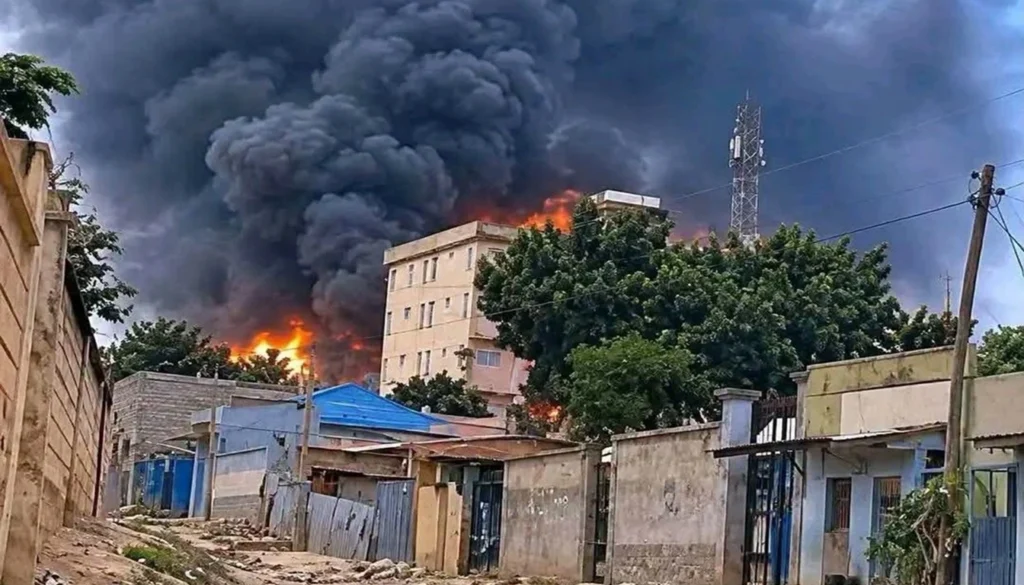
The market town of Moyale has never been a quiet place, but it is now a fearful one. Ethiopia Moyale clashes between forces linked to the Oromia and Somali regional administrations have disrupted daily life and trade across the southern Borana Zone. Fighting that flared in October has since spread to the neighbouring districts of Arero and Wachile.
Livelihoods on Hold
For herders and traders, the damage is immediate. The livestock trade, a major income source in the area, has been interrupted, and transport services have been disrupted. One Moyale resident, speaking anonymously for safety, described night-time gunfire and restricted movement, with nobody sure when normal life will return.
How the Latest Round Began
According to conflict monitor ACLED, the violence began on October 18. Somali regional police clashed with ethnic Oromo militia after a Somali regional office was opened and its flag raised in a disputed part of Moyale. A 13-year-old Oromo girl was killed, though accounts differ on how: some say crossfire, others say she was shot after trying to remove the flag.
Federal soldiers stopped the first fighting, and elders agreed to take the flag down and suspend the office. It did not hold. Protests from both communities closed the main road, and clashes resumed on October 22.
A Refugee Crisis Next Door
The fighting has pushed people over the border. The UN refugee agency said local authorities estimated up to 50,000 people had crossed into Kenya since October 22, a provisional figure. Many are women and children who need food, clean water, shelter and healthcare. Kenya’s Musalia Mudavadi has urged Addis Ababa to restore stability so they can return.
Old Lines, Unfinished Business
Analysts say the roots run deep: disputes over boundaries, political representation, grazing land and water. A 2004 referendum was meant to settle the status of 463 communities along the regional border, but the Moyale question was left unresolved. Former US official Cameron Hudson argues that Ethiopian governments tend to react after violence erupts rather than engage communities beforehand, and that the federal government is ultimately responsible for ending it.
For families on both sides of the line, the priority is simple: security, then a chance to trade again.
Read More
Africa’s Digital Transformation Is Being Built on Partnerships, Not Going It Alone
Zambia Copper Boom: Billions Pour In, but Do Ordinary Zambians Feel It?
Cape Verde Presidential Election: Islands Vote as First Woman Challenges the Incumbent
Vinicius Jr Sudan: A Football Star’s Message Lifts a Boy Who Lost His Legs
