
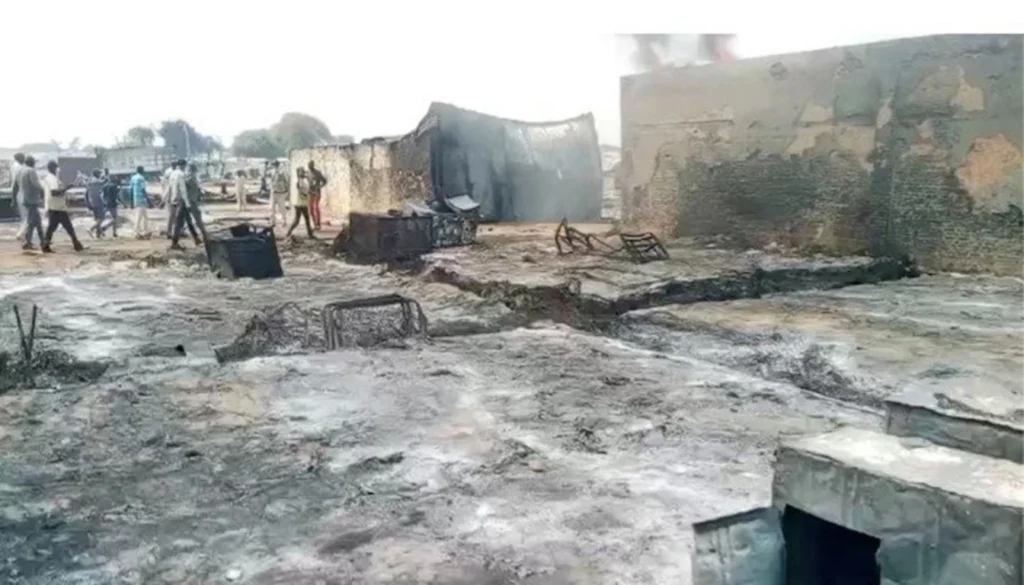
The sky has become the most dangerous place in Sudan. Sudan war drones caused nearly three-quarters of all verified civilian deaths this year, the United Nations said on Tuesday. For families across the Horn and the wider continent, the figure shows how the war is changing.
A Deadly Tally
The UN human rights office confirmed 2,230 civilian deaths between January and the end of October. More than 1,630 of them came from drone attacks. The office says drones have “eclipsed” other tactics and weapons in the fight between the army and the Rapid Support Forces, now in its fourth year.
The toll has climbed all year. In March, the UN counted over 500 civilians killed by drone strikes in about ten weeks, mostly in the Kordofan region. In the first three weeks of October alone, it recorded at least 306 deaths.
Nowhere Is Safe
The strikes are not limited to front lines. The UN says drones have hit markets, displacement sites, hospitals and vital infrastructure. It also reported a strike on a gold mining area in South Kordofan that killed 42 civilians. The rights office said attacks on such sites are tied to the war economy that keeps the conflict going.
For ordinary Sudanese, a trip to the market or the mine can now end in tragedy. The drones are cheap and hard to trace, which makes blame difficult to assign.
Who Is Arming the War?
UN rights chief Volker Türk said most of these drones are not made in Sudan. He accused external powers of supplying advanced weapon systems and finance while pursuing their own agendas. He has repeatedly called on both sides to commit to a ceasefire. The UN has also urged the international community to stop the flow of drones into the country.
Sudan borders seven African states, so the consequences reach well beyond its own people. Tens of thousands have died in the war and millions have been displaced. Many have fled into neighbouring countries that already carry heavy burdens.
The question for African leaders and the African Union is whether anyone will act on the supply lines feeding this war before more families lose people to the sky.
Read More
Africa’s Digital Transformation Is Being Built on Partnerships, Not Going It Alone
Zambia Copper Boom: Billions Pour In, but Do Ordinary Zambians Feel It?
Cape Verde Presidential Election: Islands Vote as First Woman Challenges the Incumbent
Vinicius Jr Sudan: A Football Star’s Message Lifts a Boy Who Lost His Legs
