
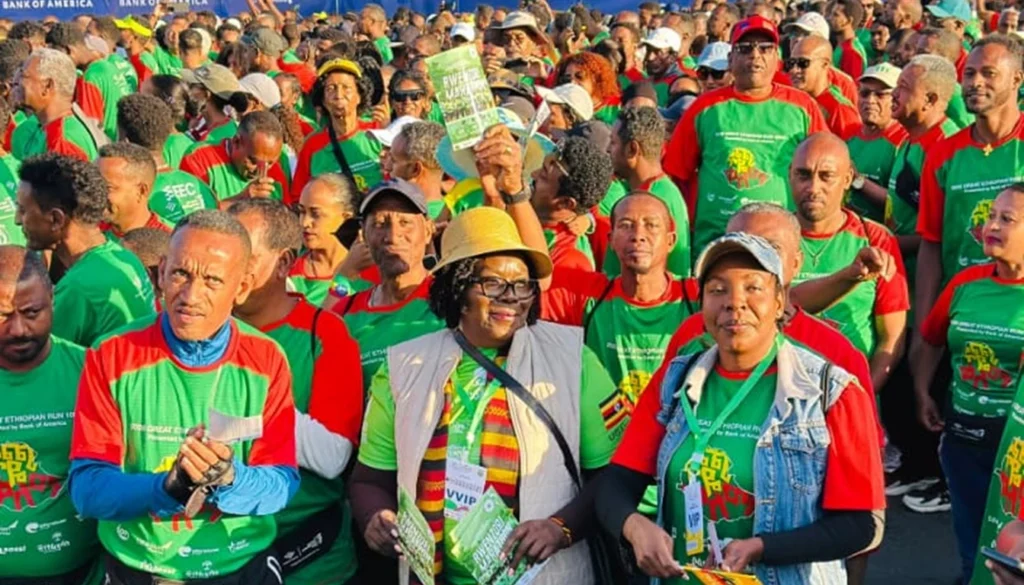
Every year, thousands of runners and riders book flights to Boston, Berlin and Paris just to cross a finish line. African sports tourism has barely tapped this appetite, even though the continent has the altitude, the landscapes and the athletic heritage to compete. The question is no longer whether visitors would come, but whether Africa is ready to host them.
Why Travellers Chase the Finish Line
Sport travellers are a valuable crowd. They don’t just show up on race day. They arrive early, book hotels for several nights, eat out, hire guides and often bring family along. Many add a safari or a beach stay before heading home.
That spending pattern is exactly what the African tourism industry needs. Traditional tourism leans heavily on wildlife and beaches, which are seasonal and often concentrated in a few countries. Sports tourism in Africa can spread visitors across more regions and fill rooms in months when lodges sit quiet.
The Races That Already Prove the Point
Africa is not starting from zero. South Africa’s Comrades Marathon, which runs roughly 90 kilometres between Durban and Pietermaritzburg, has been a pilgrimage for ultra-runners since 1921. The Cape Town Cycle Tour draws tens of thousands of riders every year, and many of them travel from abroad to pedal past the Atlantic coastline.
Further north, Morocco’s desert races and Kenya’s conservancy runs, such as the Lewa Safari Marathon, show how running can be wrapped around African scenery. In Tanzania, the Kilimanjaro Marathon in Moshi gives runners a mountain backdrop few cities can match.
These events share one lesson. People don’t pay to run in Africa because it’s cheap. They pay because the experience cannot be copied elsewhere.
Why Kenya and Ethiopia Hold an Unfair Advantage
When the world thinks of distance running, it thinks of the Rift Valley. Towns like Iten in Kenya have built a modest but real identity as high-altitude training camps, and foreign amateurs now come to train alongside champions.
Imagine scaling that up. A visitor could join a morning run with elite athletes, visit a training camp, eat local food and enter a race at the end of the week. African marathons could sell that story far better than any brochure. Ethiopia, with its own running culture and ancient highland scenery, could do the same.
Rwanda’s Cycling Bet
If you want proof that cycling races in Africa can change a country’s image, look at Rwanda. The Tour du Rwanda has grown into one of the continent’s biggest road races, and the country went further by hosting the UCI Road World Championships in Kigali in 2025, the first time the event was held on African soil.
Rwanda treated cycling as part of a wider national brand, alongside its investment in conferences, wildlife and other international sports events. Not every country has Rwanda’s centralised planning, but the idea is portable. A hilly, scenic, well-run race tells the world a country is open for business.
The Adventure Angle
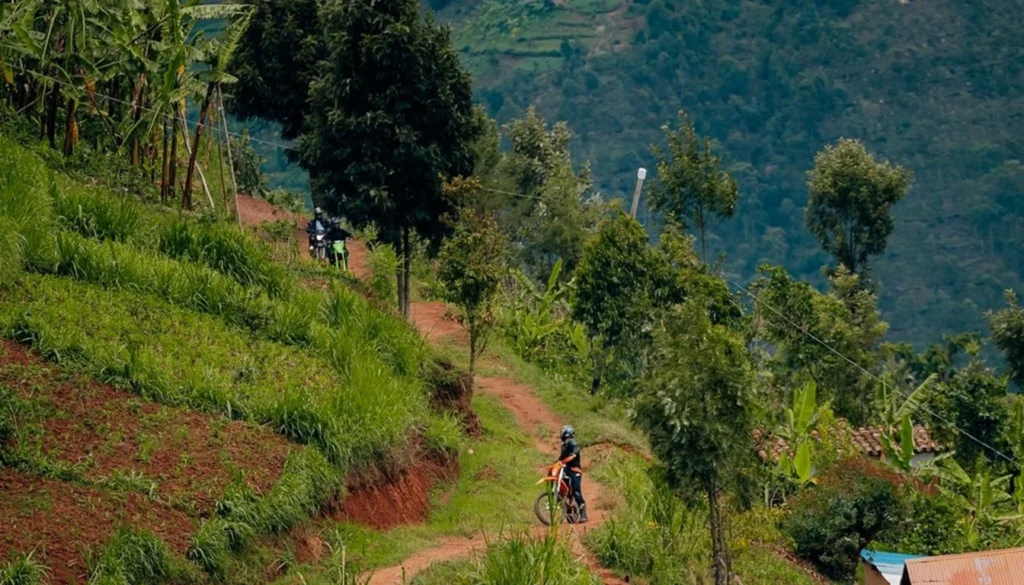
Africa’s strongest card may be adventure tourism. Think of a trail race through the Drakensberg, a gravel ride across the Kenyan highlands or a stage race in the Atlas Mountains. These events attract a different kind of traveller, one who wants challenge, nature and a story to tell.
Gravel cycling and trail running are growing worldwide, and neither needs a stadium or a giant budget. They need good routes, safe marshalling and communities willing to host. Africa has plenty of all three.
What Is Holding the Business Back
The gaps are real, and pretending otherwise helps no one. Visa processes can be slow and expensive, and flights between African cities are often costly and indirect. A runner in Lagos or Nairobi sometimes finds it easier to fly to Europe than to a race in another African country.
Safety and logistics matter too. Riders and runners need predictable road closures, reliable medical support, clean water and accurate timing. A single badly run event can scare off international entrants for years, because the running and cycling community talks, and reviews travel fast.
Then there is marketing. Many African races are barely visible beyond their home country. Websites are outdated, registration is clunky and overseas clubs have never heard of them. Compare that with the polished campaigns of European events, and the gap is obvious.
Where the Money Should Go
Sports tourism investment doesn’t have to mean building a billion-dollar stadium. The smarter spending is often modest: better road surfaces on race routes, digital registration, trained volunteers, safe accommodation and clear signage in several languages.
Governments can help by easing visa rules for event participants and giving race organisers a single point of contact. Airlines and hotels can offer race-week packages. Private sponsors, from banks to telecoms, can back events that put their brand in front of an international audience.
Local communities should share in the gains too. When a race hires local guides, buys from nearby caterers and uses community-run lodges, the benefits stay close to home. That also builds the goodwill that keeps an event alive.
The Opportunity for African Youth
There is a human side to this story. Africa produces some of the world’s best runners and a growing number of talented cyclists, but many still struggle to find races, sponsors and coaching at home. A busy race calendar changes that. It creates jobs in event management, hospitality, photography, guiding and media, which is work many young Africans are looking for.
It also gives young athletes a stage on their own soil, with visiting scouts and sponsors in the crowd.
So, Can Africa Win This Race?
The answer is a cautious yes. The raw ingredients exist: scenery, altitude, athletic pride and a young population hungry for opportunity. What’s missing is consistency, coordination and a willingness to treat race organisation as a serious business rather than an occasional festival.
Countries that move early can build a reputation that lasts decades. Boston and Berlin didn’t become destinations overnight. They became destinations because they showed up, year after year, with a good race.
African sports tourism won’t replace safaris, and it doesn’t need to. It can sit beside them as a second reason to visit, one that brings in different travellers at different times of year. The finish line is open. Now the continent needs to build the road that leads to it.
Read More
Lina Attalah Trial Suspended: What It Means for Press Freedom Across Africa
IMF Egypt Agreement Unlocks $2.3bn: What It Means for Cairo’s Economy
Mozambique Opposition Leader Venâncio Mondlane Faces Terrorism Trial: What Is at Stake?
Lobito Corridor: Can a US-Backed Mineral Highway Bring Peace to DR Congo?
AFCON Qualifiers: Senegal and Morocco Book Their Tickets While Tunisia Cry Foul
