
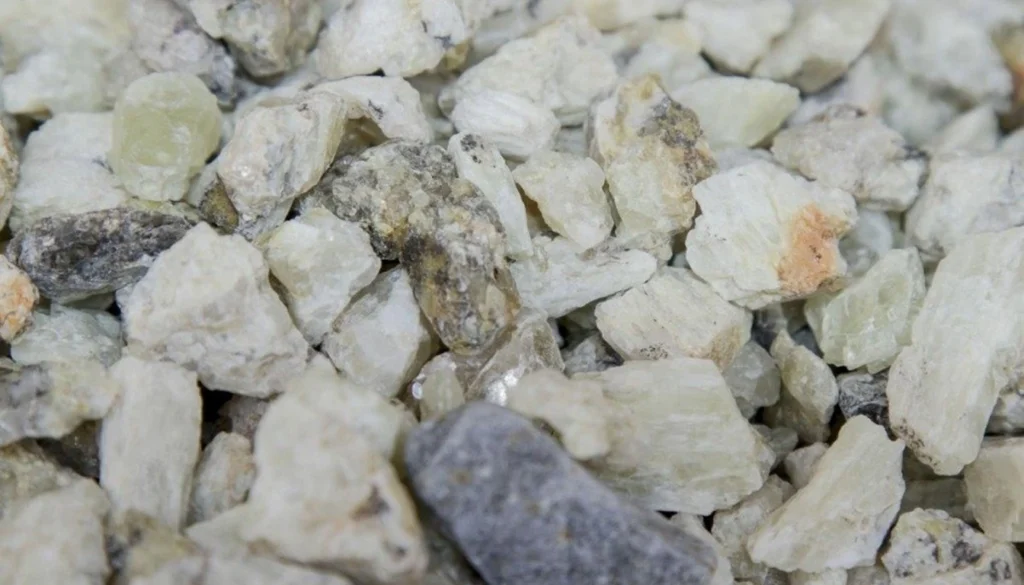
Every electric car that leaves a factory floor carries a piece of the earth inside its battery. Africa’s Lithium Race has become one of the most closely watched contests in the global energy transition, and the real question is not who digs the metal up but who keeps the money. For villages sitting on top of the deposits, the answer will shape their lives for decades.
Why the World Suddenly Needs African Lithium
The electric vehicle boom has turned a quiet industrial metal into a strategic prize. Lithium sits at the heart of the batteries that power cars, buses, phones and the storage systems that back up solar farms. Demand has climbed fast as governments in Europe, China and North America push drivers away from petrol, and prices have swung wildly along the way.
That swing matters. When prices crash, mines close and workers lose jobs. When they spike, investors rush in and promise the moon. African communities have lived through this cycle before with gold, copper and oil, so they are watching the lithium story with a mix of hope and caution.
Where Africa’s Lithium Reserves Are Found
Africa lithium reserves are still a small slice of the global total, but exploration on the continent is young and the picture keeps changing. Zimbabwe is the standout. The Bikita deposit has been mined for decades, and newer projects such as Arcadia have pulled in major foreign money. Mali has moved quickly too, with Goulamina and Bougouni among the projects drawing attention. Namibia, Nigeria, Ghana and the Democratic Republic of Congo all have deposits at different stages, from early surveys to construction.
This is why lithium mining in Africa is no longer a footnote. Several of these countries also hold cobalt, manganese, graphite and copper, which makes the continent a one-stop shop for the critical minerals that battery makers need. Few other regions can offer that mix.
Governments Are Trying to Change the Deal
For a long time, the script was simple: foreign companies dug, shipped raw rock abroad, and left the profitable processing to someone else. Many African governments now want to rewrite it.
Zimbabwe banned the export of raw lithium ore in 2022 and has signalled tougher limits on concentrates as well. Namibia has restricted exports of unprocessed lithium. Nigeria has been courting processing plants, some backed by Chinese firms, so that more of the value stays at home. Mali revised its mining code to give the state a larger share, and Ghana has debated royalty terms for its Ewoyaa project in public and in parliament.
These moves are not always smooth. Investors complain about uncertainty, and critics point out that a processing plant is no use without reliable power, water and skilled workers. Still, the direction is clear. The African mining industry is tired of being the supplier at the bottom of the chain.
China, the West and the Scramble for Supply
Chinese companies have been the quickest movers, buying stakes in mines across Zimbabwe and Mali and financing processing plants. Western governments, worried about relying on one country for battery materials, are now offering their own packages of loans, infrastructure and partnerships.
Competition between big powers can help African states bargain harder. It can also pull them into a tug of war where short-term deals are signed in a hurry. The countries that do best tend to be the ones that publish their contracts, set clear rules early and refuse to be rushed.
What Local Communities Stand to Gain, and Lose
The promise is easy to list. A new mine can bring jobs, roads, clinics, schools and tax revenue. A processing plant can bring more of all that, plus skills that last beyond the life of the mine.
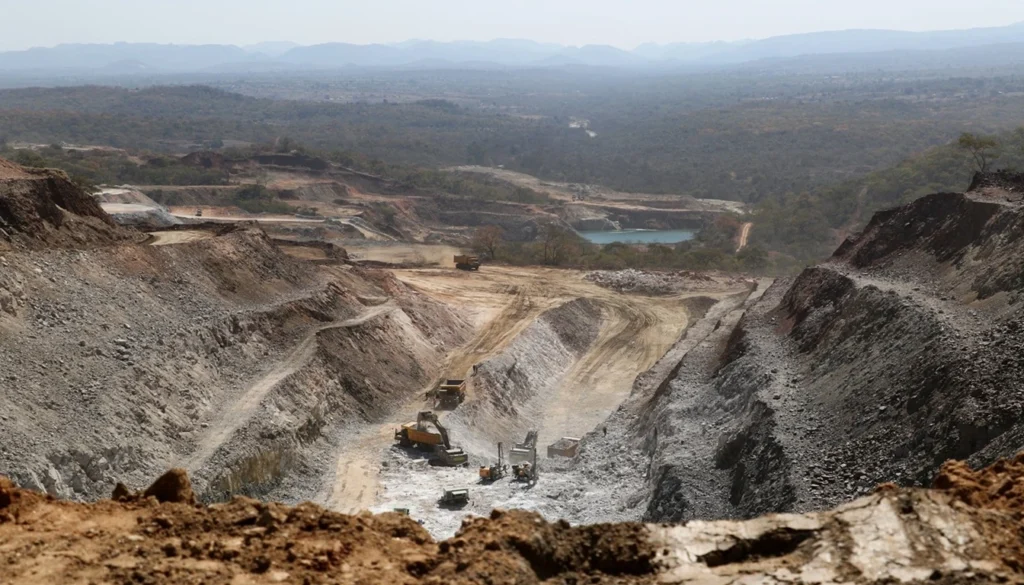
The risks are just as real. Open-pit mining takes land, often from farmers with no formal title. It uses large amounts of water in places where water is already scarce. Dust, noise and heavy trucks change daily life. In parts of Zimbabwe, residents near lithium sites have raised concerns about displacement, damaged farmland and a lack of consultation. Artisanal miners, who have worked these areas for years, can find themselves pushed out overnight when a licensed company arrives.
It is also worth being honest about jobs. Modern mines are mechanised, so the number of local jobs is often smaller than the headlines suggest. Communities that expect thousands of positions can end up disappointed.
Lessons From Gold, Copper and Cobalt
Africa has seen what happens when mineral wealth is badly managed. Regions rich in ore have sometimes stayed poor, with polluted rivers, broken promises and wealth flowing to capital cities and foreign shareholders. The cobalt belt in southern Congo is a hard reminder, where huge profits and desperate poverty exist within the same few kilometres.
Lithium does not have to follow that path. The difference lies in decisions made now, before the biggest mines reach full production.
What a Fair Deal Looks Like
A fair outcome is not complicated to describe, though it is hard to deliver.
First, communities need real consultation before licences are signed, not a meeting held after the bulldozers arrive. Second, community development agreements should be written down, with money set aside and clear ways to enforce them. Third, a fair share of revenue should reach the local districts that bear the costs, not only the national treasury. Fourth, companies should be required to buy goods and services locally and to train local workers for skilled roles. Finally, water use, waste and land restoration need independent monitoring, with results made public.
Civil society groups, journalists and local councils all have a part to play. Where people can see the contracts and track the payments, abuse becomes harder to hide.
The Verdict Is Still Open
The electric vehicle boom is not going away, and the world will keep looking to Africa for the minerals that power it. That gives the continent leverage it has rarely had before. Whether that leverage turns into lasting mineral wealth for ordinary families depends on governments that negotiate firmly, companies that keep their promises and communities that are heard from the start.
If the lessons of the past are learned, the lithium boom could build schools, factories and futures. If not, it will be one more chapter in a very old story. The next few years will tell which one Africa writes.
Read More
Nigerian Youth Election Puzzle: Why Are Fewer Young Voters Signing Up for 2027?
Angola De Beers Deal: $180 Million for 10% of a Diamond Giant
Malawi Fuel Crisis: Queues, Black Markets and Broken Livelihoods
U-17 World Cup Africa: Morocco, Senegal and Mali Light Up Friday’s Action in Qatar
Africa Climate Finance: Europe Says Spend What Is Already Pledged
