
Pretoria is rewriting its export playbook. The push for South Africa Global Trade now sits at the centre of government policy, after Washington moved to drop the country from AGOA and conflict in the Middle East rattled shipping lanes and markets.
The AGOA Door Closes
President Donald Trump wrote to President Cyril Ramaphosa to say South Africa would be excluded from AGOA provisions starting next year. For decades the act let cars, citrus, nuts, wine and platinum enter the US duty-free.
The pain may be smaller than the headlines suggest. AGOA exports were worth about US$1.7 billion in 2025, down from $4 billion in 2024, and made up roughly 1% of South Africa’s total global exports. Still, citrus farmers and car plants in the Eastern Cape feel every tariff cent.
A Shock From the Middle East
The Gulf is both a market and a route. Conflict there raises freight and insurance costs, and delays cargo. Yet the region is also a target. Saudi Arabia alone imports about $25 billion of agricultural products a year, which is a lot of fruit, wine and meat that South African farms could supply.
Plan A, Not Plan B
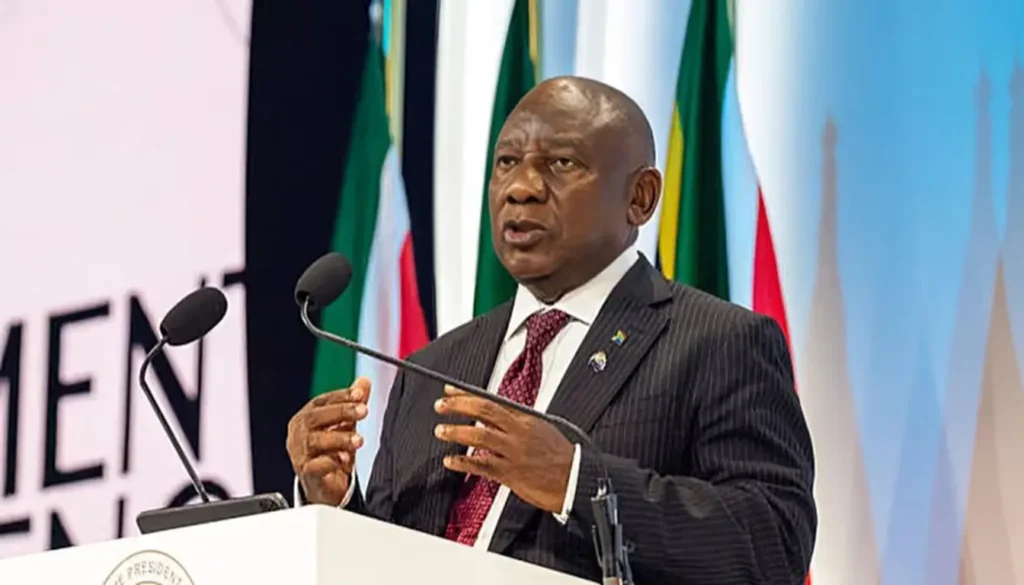
Trade Minister Parks Tau has insisted this is no scramble. He has called the search for new markets a long-term resilience plan, with talks open in Vietnam and Japan and state visits to Gulf countries. Ramaphosa said earlier that officials were reaching out to partners in the Middle East, Asia and Latin America.
Africa Is the Backyard Market
The most natural customer is next door. Officials say the African Continental Free Trade Area is gradually turning the continent into one free trade zone, and talks continue on the Tripartite deal linking COMESA, the East African Community and SADC. A trucker moving goods from Durban to Lusaka or Nairobi is no longer a footnote in trade policy. It is the strategy.
Can the Numbers Hold?
The cushion is real. South Africa recorded a R202-billion trade surplus in 2025, with imports spread across the EU, China, India, the Middle East and the rest of Africa. That spread is the whole argument for diversifying.
Challenges remain. Ports and rail still creak, and exporters need finance and quick certification to chase new buyers. A fruit exporter in Limpopo cannot pivot in a week.
The Bottom Line
For ordinary South Africans, this matters well beyond Pretoria’s boardrooms. Jobs on farms, in factories and at the docks depend on whether exporters find buyers fast. If the offensive works, the country will sell to more people in more places, and one letter from Washington will no longer decide the mood in Johannesburg.
Read More
8 Things About the Billboard U.S. Afrobeat Songs Chart for November 28, 2026
Sandpapergate Reopened: Australia’s Test Cricket Forum Digs Into the Whole 2017-18 Season
Zambia Protest Ban Puts Term Limits and Democracy Under the Spotlight
South African Rand Bounces Back as Precious Metals Stage a Comeback
Pete Edochie, Nollywood’s Unforgettable Voice of Authority, Dies at 79
