
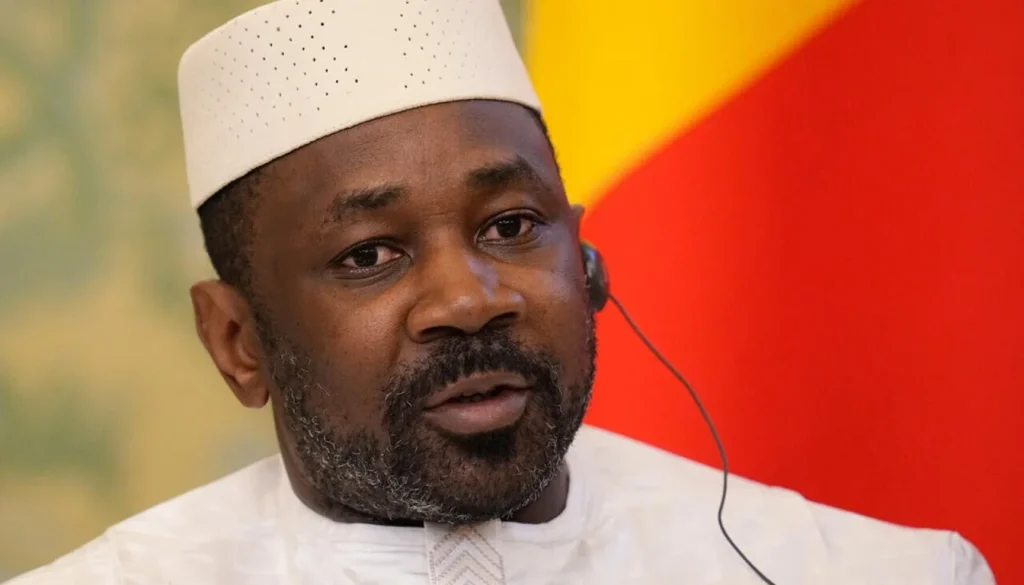
A Pardon has changed the trajectory of a diplomatic dispute that had strained Mali-France relations for more than a year. The case of Yann Vézilier had hung over an already battered relationship between Mali and France. On August 13, 2026, it took an unexpected turn when Mali’s military ruler, Président Assimi Goïta, granted the French intelligence officer a presidential pardon, freeing him from a 20-year prison sentence handed down just two months earlier. It is the kind of development that looks simple on the surface—a prisoner is released—but sits at the center of a much messier story about sovereignty, foreign influence, and what remains of France’s presence in West Africa.
How It Started
Vézilier, who worked at the French embassy in Bamako, was arrested in August 2025 along with several Malian military personnel. The junta’s case against him was striking: they accused him of working for French intelligence and quietly building a network of political figures, civil society actors, and military officers to help destabilize the government. France pushed back immediately and firmly, calling the allegations baseless. Officials in Paris insisted Vézilier’s role at the embassy was limited to security cooperation, and they questioned both his arrest and the trial that followed. That trial happened behind closed doors, out of public view. On June 5, 2026, a Malian court convicted him, sentencing him to 20 years in prison, imposing a fine, and banning him from ever entering the country again.
What the Pardon Actually Changes
Here’s the part that’s easy to miss: the pardon doesn’t mean Mali is admitting it got this wrong. Vézilier walks free, but his conviction stays on the books, and by most accounts he’s expected to leave the country immediately. A pardon like this is a political tool as much as a legal one; it lets Mali de-escalate without ever having to say the original accusations were false. It’s a way of closing the door quietly instead of slamming it. What’s less clear is how the deal actually came together. Behind the scenes, Morocco appears to have played a central mediating role, with Qatar, the UAE, and Ghana also reportedly involved in the diplomatic maneuvering that led to this outcome.
Why This Goes Beyond One Man
To understand why this case matters so much, you have to zoom out. Mali’s junta, which took power in back-to-back coups in 2020 and 2021, has spent the years since systematically pulling away from France. French troops eventually left the country entirely, and Bamako pivoted hard toward Russia, wrapping much of that shift in the language of sovereignty and self-determination. Against that backdrop, Vézilier’s release matters differently to each side. For Paris, it removes one of the thorniest irritants in a relationship that’s had very few bright spots lately. For Bamako, it’s a chance to show flexibility without having to backtrack on anything it’s already claimed publicly.
A Country Under Pressure
The timing isn’t incidental. Mali is still fighting an active insurgency from armed groups tied to al-Qaeda and the Islamic State, and separatist movements in the north continue to chip away at government control. In a striking coincidence, the very same day Vézilier was pardoned, separatist fighters released 82 Malian soldiers who’d been captured during a government offensive back in April. Two very different stories, unfolding on the same day, both pointing to a government trying to manage pressure on multiple fronts at once. For everyday Malians, though, the diplomatic chess moves probably matter less than the practical question underneath them: does any of this actually make the country safer?
Recommendation Tagline: France and West Africa ties face a dramatic turning point.
Macron Strengthens Morocco Relations?
Check out how Macron’s Morocco visit could reshape bilateral cooperation.
Why Did France Leave Niger?
Find out what triggered the French Embassy closure amid worsening tensions.
What Sparked The Diplomatic Rift?
Uncover the key events behind the escalating France–Niger diplomatic crisis.
Why Were Ivory Coast Troops Freed?
Look into Goita’s decision to absolve the detained Ivory Coast soldiers.
What Led To Mali Sentences?
Dive into the court ruling that sentenced 46 Ivorian soldiers in Mali.
Where Things Go From Here
Vézilier’s release will likely ease some of the immediate tension between Paris and Bamako, but nobody should mistake it for reconciliation. Years of mutual suspicion don’t dissolve because one high-profile case gets resolved. If anything, this saga has become a kind of shorthand for a larger regional story: the retreat of French influence across the Sahel and the scramble by military governments to define themselves against their former colonial partner. Mali continues to frame this as a matter of sovereignty; France continues to insist it’s simply protecting its own people and rejecting accusations it says have no basis. Whether this pardon marks the start of a genuine thaw or just a pause before the next flashpoint will depend on how both governments handle the next round of security and intelligence disputes because in this relationship, there’s rarely just one chapter left to close.
