
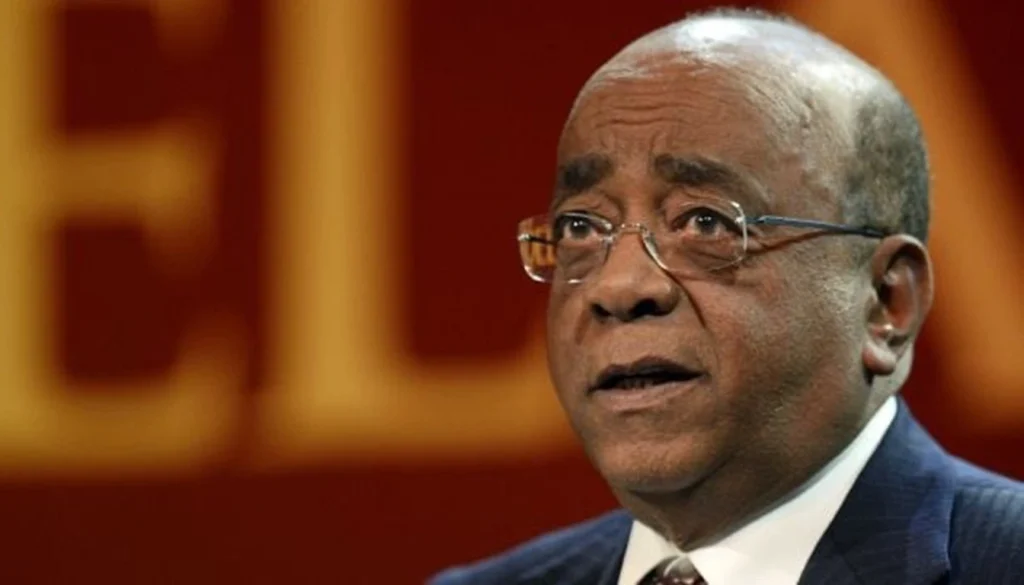
Something is shifting in how Africa is governed, and ordinary people are feeling it. According to Mo Ibrahim, the Africa strongmen era is eating away at rights and freedoms even as economies grow. The 80-year-old Sudanese-British telecoms billionaire, who funds the governance foundation that bears his name, shared his concerns with AFP as the group released its latest report.
Richer, But Less Free
The findings are mixed. Thirty nations, where half of Africa’s population resides, performed better in terms of governance in 2025 compared to 2016, largely due to economic improvement. However, twenty-three nations fell back while one nation remained unchanged. Security, human rights and public participation have fallen sharply. Seven of the ten biggest decliners had at least one coup in the decade. Burkina Faso dropped furthest, while Nigeria, Sudan and Tunisia were also among the weakest performers.
Ibrahim pointed to recent elections as warning signs. In Tanzania, security forces were accused of killing thousands of protesters. In Uganda, opposition leader Bobi Wine was, in Ibrahim’s words, hunted and physically attacked. He called it disgraceful.
Copying the World’s Strongmen
Ibrahim believes African leaders are taking cues from abroad. Democracy is under pressure from the United States to Europe and Russia, and he argues that a leader watching this thinks: why not me? He also criticised Washington’s more transactional approach to diplomacy, saying it weakens the rule of law between nations.
The sudden end of USAID funding, which he called brutal, adds to the strain. Ibrahim accepts that the US can choose to give or withhold aid, but he says partners should give notice. Africa has coped better than feared, he says, and the shock is forcing the continent to rely more on itself and to work with any partner willing to engage, whether Europe, China or India.
The Youth Factor
His hope, as always, lies with young people. About 60 percent of Africans are under 25, and by 2050 one in three young people worldwide will be African. He says they are better informed and better educated than previous generations, then admits his own generation wasted real opportunities.
The message to voters, activists and young Africans is clear: growth alone is not governance. Without free elections, safe streets and a real voice, the gains can vanish quickly.
Read More
Senegal’s president, Macky Sall, steps down, clearing the path for open elections
Guinea Has Been Suspended by ECOWAS Following a Coup
Ethiopia: Religious leaders call for unity following arson attacks on mosques
