
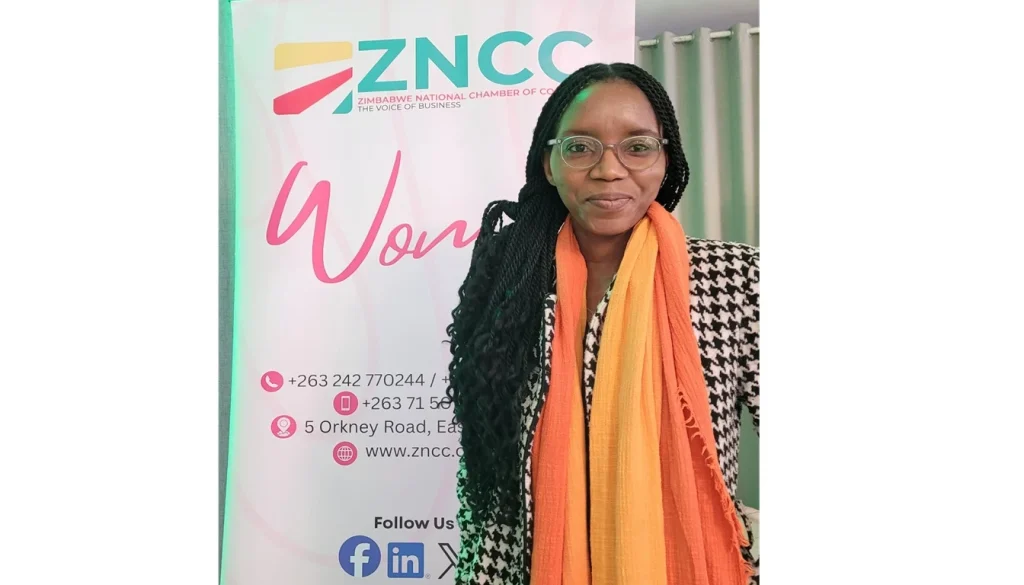
Ask any market woman in Kumasi, Kampala or Kano how she started, and the answer is rarely a business plan. The challenges facing women entrepreneurs in Africa are real and stubborn, yet the continent still has some of the most entrepreneurial women anywhere on earth.
A Story Centuries in the Making
Women in business are not a new trend. As MOHAC Africa notes, African women have traded, farmed, sold and led enterprises for centuries. What has changed is the scale and the ambition. Today’s founders run logistics firms, tech platforms, agribusinesses and fashion houses, and they are doing it in an economy that was not built with them in mind.
The Numbers Behind the Hustle
According to a GIZ fact sheet, nearly 25 percent of women in sub-Saharan Africa are engaged in entrepreneurship, compared with only about 6 percent in Europe. The World Bank, citing the Global Entrepreneurship Monitor, has put the figure for African women involved in some kind of venture at roughly 27 percent, the highest female entrepreneurial activity in the world.
Much of this comes from necessity. Families need income, jobs are scarce, and starting something becomes the only route forward. But necessity is only half the picture. A growing number of women are starting businesses because they spot a gap and want to fill it.
What Holds Women Back
The obstacles are familiar to anyone who has tried to build a business here:
- Money. Banks often ask for collateral that women do not own, because land and property are frequently held in a husband’s or a male relative’s name.
- Time. Women still carry most of the unpaid work at home, from childcare to looking after elders, and that leaves less room to grow a business.
- Networks. Deals, introductions and investor meetings often happen in circles where women are thin on the ground.
- Rules and attitudes. Some laws and many customs still make it harder for a woman to register a company, sign contracts or be taken seriously in a negotiation.
None of these is a lack of talent. They are barriers built into the system, and that is why they can be taken down.
Women Who Are Already Doing It
Take Kate Mahugu, who co-founded Shopsoko in Kenya. Her mobile platform lets artisans register their products, set their own prices and sell to customers far beyond their villages, with payments sent straight to their phones. About 70 percent of the artisans on the platform are women, and their work has reached international magazines. It shows what happens when technology meets skills that were already there.
The World Bank’s West Africa portrait series tells similar stories. Rebecca Enonchong built AppsTech in Cameroon, and Rukayatu Sanusi leads the Ghana Climate Innovation Centre. Different sectors, same message: women are leading from the front.
Which Countries Are Getting It Right?
Botswana topped the 2021 Mastercard Index of Women Entrepreneurs among African countries, scoring 56.3 out of 100, according to MOHAC Africa. A score like that is hardly perfect, which tells you how much room remains across the continent. It also shows that policy matters. Where governments, banks and communities make an effort, women’s businesses respond.
Programs Making a Difference
Support is growing. In Mauritania, Togo and Benin, a GIZ-backed program has drawn more than 1,600 applications from women and supported 80 of them with tailored training and networking. Numbers like that show both the demand and the shortage. For every woman helped, many more are waiting in line.
Researchers writing about female entrepreneurship in Africa point to a similar set of fixes: specialized training, shared spaces where women-led projects can grow together, and a business environment that opens up funding and opportunity.
Rewriting the Rules
Change will not come from praise alone. Banks can design loans that do not depend on property titles. Governments can fix laws that quietly hold women back. Investors can look beyond their usual circles. And families and communities can share the load at home so a woman’s business has room to breathe.
The women are already building. The rest of us need to catch up, and the sooner the continent backs them properly, the more jobs, income and local innovation will follow.
Conclusion
Africa’s women entrepreneurs do not need to be told they are capable. They have been proving it in markets, workshops, farms and start-ups for generations. What they need is a system that stops getting in their way: fairer access to credit, laws that treat them as equals, and communities that share the weight at home. When that happens, the gains reach far beyond one business, as jobs, incomes and ideas spread through whole neighborhoods. The women are already rewriting the rules, and the rest of the continent now has to make those rules work for them.
Discover Africa’s Women, Wealth & Opportunity
Who Are Johannesburg’s Wealthiest Women?
Check out the top 15 women shaping Johannesburg’s business landscape.
Who Are Africa’s Richest Female Entrepreneurs?
Find the entrepreneurs building remarkable wealth across Africa.
Who Are Zimbabwe’s Wealthiest Women Today?
Uncover the top five wealthiest women influencing Zimbabwe’s economy.
How Does Gender Violence Affect Africa?
Explore the economic costs of gender-based violence across Africa.
Which Countries Could Benefit Most?
Dive into the African Union’s Blue Economy Summit in Angola.
