
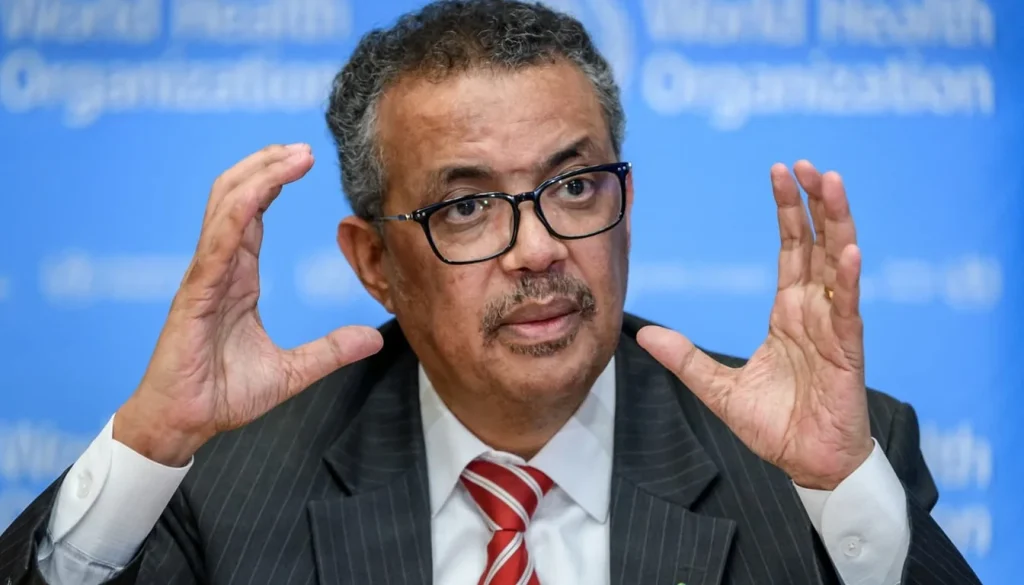
DR Congo Ebola Crisis: There’s a real chance the Ebola outbreak tearing through the Democratic Republic of Congo could become the worst the world has ever seen. That’s not exaggeration, it’s the warning coming straight from the World Health Organization , as the virus pushes into a sixth province and case numbers climb faster than officials can track them.
The Numbers Are Bad, and Getting Worse
As of August 14, Congo has recorded 4,665 confirmed cases and 2,184 deaths. To put that in perspective, this is already the fastest-moving Ebola outbreak the country has ever dealt with and it’s still accelerating. The strain behind it is Bundibugyo, a rarer, less-studied version of Ebola. That matters because unlike some other Ebola strains, there’s no approved vaccine or dedicated treatment for it yet. Doctors are largely limited to supportive care fluids, monitoring, managing symptoms while researchers scramble to test vaccine and treatment candidates in ongoing clinical trials.
How Did It Reach a Sixth Province?
The latest red flag came out of Bas-Uele, a province in Congo’s northeast that hadn’t seen a case until now. A motorcycle-taxi driver who’d traveled in from neighboring Haut-Uele died in Buta, the provincial capital and now health workers are scrambling to figure out who else he might have exposed along the way. That’s the core problem right now: people move. Traders, workers, travelers crossing remote stretches of the country are outpacing the reach of contact tracers. Most of the outbreak is still centered in Ituri province, which accounts for the bulk of cases and deaths, but the virus keeps finding new footholds elsewhere. Perhaps the most alarming detail: roughly 60 to 70 percent of new infections are showing up outside of known contact networks entirely. In plain terms, health teams aren’t just racing to keep up, they’re often finding out about exposure after the fact, once someone’s already sick.
Could This Beat the Worst Outbreak on Record?
The benchmark everyone’s measuring against is the 2014–2016 West African epidemic, which infected more than 28,000 people and killed over 11,000, still the deadliest Ebola outbreak in history. WHO Director-General Tedros Adhanom Ghebreyesus has said plainly that Congo’s outbreak is moving fast enough to potentially surpass it. WHO has already declared this a public health emergency of international concern, and it’s rated the risk as very high within Congo itself, high across the surrounding region, though the global risk is still considered lower.
It’s Not Just a Health Crisis
Outbreaks like this rarely stay contained to hospitals. Movement restrictions, disrupted trade, shuttered schools, and strained healthcare access for everything else, it all compounds. And Congo isn’t dealing with this in isolation; parts of the country are already grappling with conflict and humanitarian strain, which only makes the response harder. Health workers on the front lines have also been hit by unpaid salaries and strikes, thinning out an already stretched system. For families on the ground, it boils down to an impossible balancing act: stay safe, but still work, travel, and care for the people who depend on them.
Don’t miss these crucial DR Congo developments.
Is Congo Facing Its Worst?
Dive into the WHO warning on why this Ebola outbreak could become the country’s largest ever.
What Happens After 3,000 Cases?
Check out what experts fear may happen next as Ebola infections continue rising across DR Congo.
Why Were 15 Detainees Released?
Look into how the prisoner release could influence the ongoing Doha peace negotiations with M23 rebels.
Can International Aid Stop Ebola?
Find out why the WHO is urgently calling for stronger global support to contain the worsening outbreak.
How Are Provinces Fighting Ebola?
See what health authorities are doing after the Ebola death toll crossed the grim 1,000 mark.
What Needs to Happen Now
Containing this comes down to the basics done fast and consistently testing, isolating cases, tracing contacts, ensuring safe burials, and keeping communities on board. WHO and its partners are ramping up surveillance and looking at cross-border measures, while researchers try to figure out whether any existing Ebola vaccines offer protection against the Bundibugyo strain specifically. The message from health officials is blunt: there’s still a window to stop this from becoming historic for all the wrong reasons but it’s closing.
