
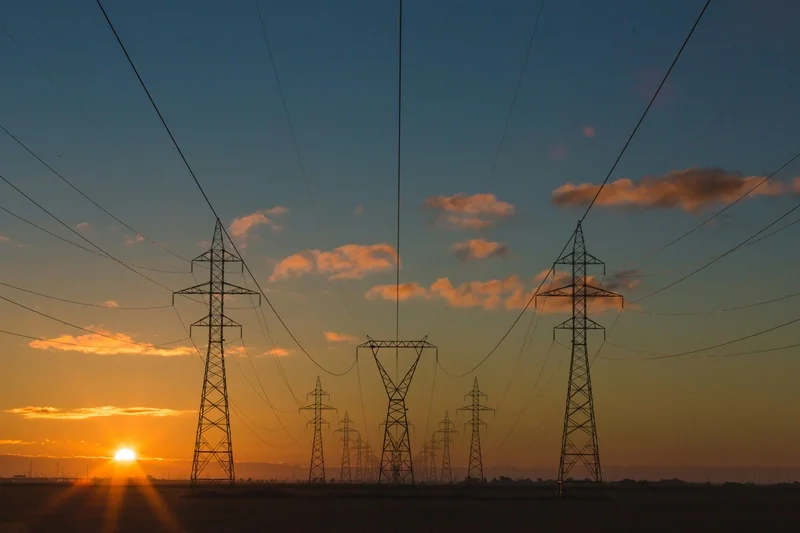
If you live in Egypt, get ready to see a bigger number on your next electricity bill. The government has just announced another round of price hikes, and this time it’s hitting most households and businesses across the country. It’s not exactly welcome news. Egyptians have already been squeezed by inflation and a rising cost of living for a while now, and this latest move means even less breathing room in the monthly budget for a lot of families. Businesses aren’t off the hook either, many are bracing for higher running costs, and some of that will likely trickle down to customers in the form of pricier goods and services.
So Why Is This Happening?
The government’s explanation boils down to money. Producing electricity has gotten more expensive, fuel costs have climbed, and keeping the national power grid running and expanding requires serious investment. According to the Ministry of Electricity and Renewable Energy, something had to give if the sector is going to stay financially afloat. Here’s the breakdown: the cheapest consumption bracket, the one that covers the lowest-usage households, isn’t changing. Everyone else, though, should expect their bills to go up by roughly 12% on average. The idea, officials say, is to shield the most vulnerable households while making heavier electricity users pay closer to what it actually costs to supply them.
What This Means for Your Household
How much this actually stings depends on how much power you use. If your home runs the air conditioner for hours on end during Egypt’s brutal summer heat, you’re probably going to feel this increase more than most. It’s worth remembering that the government still pours a huge amount of money into keeping electricity affordable around 100 billion Egyptian pounds a year, by official estimates. But that subsidy shrinks the more electricity a household uses, which is exactly why heavier users are seeing the bigger jumps.
Businesses Are Watching Their Margins Too
Shops, restaurants, offices, factories anywhere that relies on steady power is going to feel this. Higher electricity costs eat into operating budgets, and businesses typically respond in one of a few ways: raise their own prices, get more efficient with energy use, or just try to cut consumption where they can. Economists warn this could add a bit more fuel to inflation, since businesses often pass rising utility costs straight on to customers.
Part of a Bigger Pattern
This isn’t a one-off. Egypt has been steadily reforming its energy sector for years now, gradually pulling back subsidies as part of a broader economic overhaul. Regional tensions and global disruptions to energy markets have only added pressure, pushing up the cost of importing natural gas and fuel. In fact, this is already the second time in 2026 that Egypt has raised electricity prices for higher-usage households and commercial customers, a sign of just how much strain the global energy crisis has put on the country’s finances.
The Ripple Effect
Electricity price hikes rarely stay contained to just electricity bills. When transportation, manufacturing, and food production all get more expensive to run, those costs tend to show up elsewhere too at the grocery store, in delivery fees, across the board. Government officials frame the reforms as necessary medicine: keep the lights on reliably, strengthen the grid for the long haul, and ease the strain on the national budget all while still protecting lower-income households from the worst of it.
Trending Reads You’ll Love
Explore Sudan Civil War Power Struggle?
Discover how Iran’s influence and conflict are shaping Red Sea security risks.
Discover South Yemen Stability Challenges Today?
Check why Africa needs stability across the Red Sea for regional balance.
Check Sudan Brotherhood Ban Impact Now?
Explore how the ban could reshape Sudan’s security and political future.
Explore US Brotherhood Policy Shift Again?
Discover why the US is reconsidering its stance on the Muslim Brotherhood.
Discover America’s Terror Label Push Why?
Check how the US push could redefine global policies on Islamist groups.
