
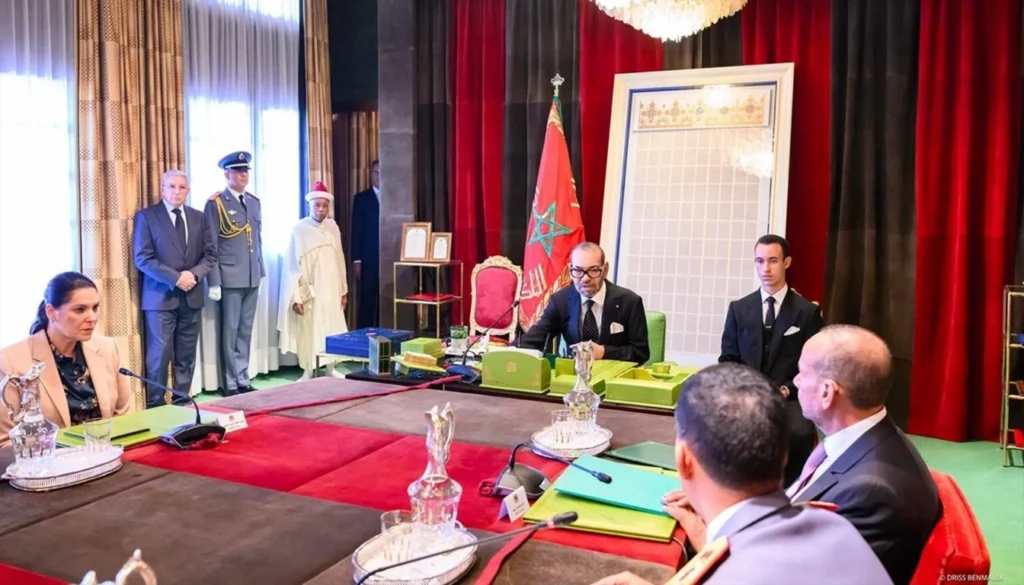
Morocco wants to stop being only a buyer of weapons and become a maker of them. The plan to grow the Morocco defence industry was laid out on Wednesday, when King Mohammed VI chaired a working session at the Royal Palace in Rabat.
The Target
By 2035, Morocco aims to produce about 40% of what its armed forces and security services need. The industry is also expected to create nearly 50,000 direct and indirect jobs and earn more than 65% of its revenue from exports. Reports put the investment behind the roadmap, branded “Morocco’s Offer”, at 4 billion dirhams.
From Importer to Producer
The shift has been years in the making. For decades the Royal Armed Forces bought almost all their main equipment abroad. A 2020 licensing law opened manufacturing to private firms, and the first industrial zones and plants followed. Morocco has signed a deal with India’s Tata Advanced Systems to build WhAP 8×8 armoured vehicles locally, and Turkish drone maker Baykar announced plans for a production and maintenance plant in the country. In 2025, ten licensed projects worth about $260 million were reported, creating 2,500 jobs.
The money behind it is large. Morocco’s 2026 budget set aside around $15.7 billion for defence.
Why It Matters Beyond Morocco
For Africa, this is a story about industrial ambition as much as security. Many African states spend heavily on imported arms, and a home-grown supplier could change that. Morocco is already strong in aerospace manufacturing, which gives it a base to build on, and it is pitching its products for export.
The timing is also political. Rabat is competing with neighbouring Algeria for regional influence, and the departure of UN peacekeepers from Western Sahara adds fresh tension to the neighbourhood.
The Hard Part
Targets are easy to announce. Meeting them needs skilled engineers, steady orders and foreign partners willing to share technology. Morocco still leans heavily on American suppliers, who accounted for 64% of its arms imports in a 2025 report. Whether Rabat can cut that dependence by 2035 is the question to watch.
Read More
Lobito Corridor: Can a US-Backed Mineral Highway Bring Peace to DR Congo?
Somali-American Attack in Minnesota Shocks Community as Prosecutors Charge Passenger
Mozambique Opposition Leader Venâncio Mondlane Faces Terrorism Trial: What Is at Stake?
Zambia Copper Boom: Billions Pour In, but Do Ordinary Zambians Feel It?
AFCON Qualifiers: Senegal and Morocco Book Their Tickets While Tunisia Cry Foul
