
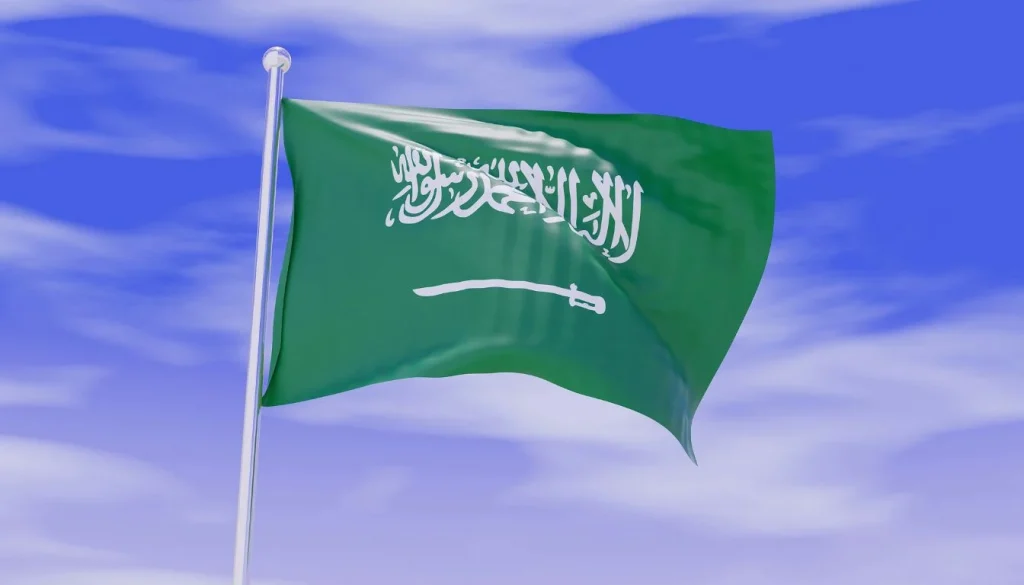
In April 2023, fighting erupted between the Sudanese Armed Forces (SAF) and the Rapid Support Forces (RSF), with regional and international actors undertaking a number of diplomatic efforts to end the fighting. One of the most prominent platforms has been the Jeddah Platform, facilitated jointly by Saudi Arabia and the United States.
Jeddah Platform Sudan Peace Talks, The initiative was one of the first attempts to get the warring parties to the negotiating table. It has been the subject of discussions among policy experts on its structure, its inclusiveness and its long-term effectiveness, while also having recorded a number of humanitarian commitments and short-term cease-fire agreements. These discussions raise broader questions about the relationship between regional leadership, international diplomacy and local political realities in efforts to resolve complex conflicts.
The Birth of the Jeddah Platform
The Jeddah talks were launched with the primary aim of securing humanitarian access, reducing violence and encouraging dialogue among Sudan’s main military actors. Saudi Arabia hosted the talks and helped secure diplomatic support, with U.S. officials co-facilitating.
The decision signalled Saudi Arabia’s growing diplomatic engagement in regional conflicts and its broader push to position itself as a mediator in Middle Eastern and African affairs.
Saudi Arabia’s growing diplomatic role
Saudi Arabia has been increasingly seeking to play a larger role in mediating conflicts across the region. Its engagement in Sudan is consistent with wider foreign policy goals that stress regional stability, protection of the Red Sea and diplomatic engagement.
Supporters of the Jeddah initiative argue that Saudi Arabia’s relations with regional governments and its ability to convene people for negotiations put it in a good position to host talks that might otherwise have been difficult to organise.
But critics have questioned whether the resolution of a conflict with myriad domestic political factions, armed movements, humanitarian organisations and international actors can be achieved via regional mediation.
Debate on Inclusivity
A major point of debate among analysts revolves around the degree to which the Jeddah process represented a broad array of Sudanese political and civilian voices.
Indeed, it has been argued in some policy analyses that negotiations that mainly include the principal military parties may have limited opportunities for wider civilian participation at critical stages of the process. Others contend that early negotiations frequently need a more limited format to be able to extract immediate humanitarian commitments before a broader political dialogue can occur.
This debate is representative of an age-old problem in peace processes: the trade-off between efficient negotiations and inclusive representation.
Mediation Multiple Tracks
Parallel initiatives have been undertaken in the Sudan conflict by the African Union (AU), the Intergovernmental Authority on Development (IGAD), the United Nations (UN) and other international partners.
The proliferation of diplomatic efforts increases the opportunities for engagement but it could also create coordination problems. Analysts point out that the overlap in mediation tracks can lead to complications for negotiations when the goals, stakeholders or timelines are very different. In contrast, supporters argue that multiple channels can offer flexibility if one negotiation process falters.
Implications for humanitarian and regional issues
As the conflict has dragged on, Sudan has become one of the world’s largest humanitarian crises, with millions displaced and serious disruptions to healthcare, food security, and basic services.
The instability has also had repercussions in neighbouring countries in terms of refugee movements, economic disruption and security concerns along the Red Sea and the Horn of Africa. The regional implications point to why international actors continue to invest diplomatic capital trying to dampen violence.
It is not yet clear whether the Jeddah platform will form the basis of a broader political settlement. Conflict resolution experts say sustainable peace will likely need coordinated international mediation, genuine inclusion of Sudanese civilian stakeholders and ongoing humanitarian engagement as well as talks among armed actors.
The Jeddah process highlights both the opportunities and the limits of regional diplomacy in tackling complex civil conflicts. While international efforts continue, the need for effective coordination between regional organisations, global powers and Sudanese stakeholders will remain central to any durable political solution.
The Jeddah Platform has a significant place in Sudan’s recent diplomatic history. It pointed to the readiness of regional and international actors to continue negotiations, but also to the challenges of mediation in a complex conflict. The initiative has not been a panacea, but has become part of a wider discussion on how peace processes can be more inclusive, coordinated and responsive to the realities on the ground.
Summary – Jeddah Platform Sudan Peace Talks
Saudi Arabia has been Sudan’s most consistent international mediator since the war began in 2023, from the original Jeddah Declaration to ongoing Quad-led ceasefire efforts. But its parallel financial and diplomatic backing of the Sudanese army has drawn criticism that Riyadh has shifted from broker to stakeholder, largely in response to rival UAE support for the opposing RSF.
Trending Reads You’ll Love
Explore Sudan Civil War Power Struggle?
Discover how Iran’s influence and conflict are shaping Red Sea security risks.
Discover South Yemen Stability Challenges Today?
Check why Africa needs stability across the Red Sea for regional balance.
Check Sudan Brotherhood Ban Impact Now?
Explore how the ban could reshape Sudan’s security and political future.
Explore US Brotherhood Policy Shift Again?
Discover why the US is reconsidering its stance on the Muslim Brotherhood.
Discover America’s Terror Label Push Why?
Check how the US push could redefine global policies on Islamist groups.
