
The Kenyan government has embarked on cracking down on foreigners running businesses within its borders, leading to backlash from traders and fear of xenophobia.
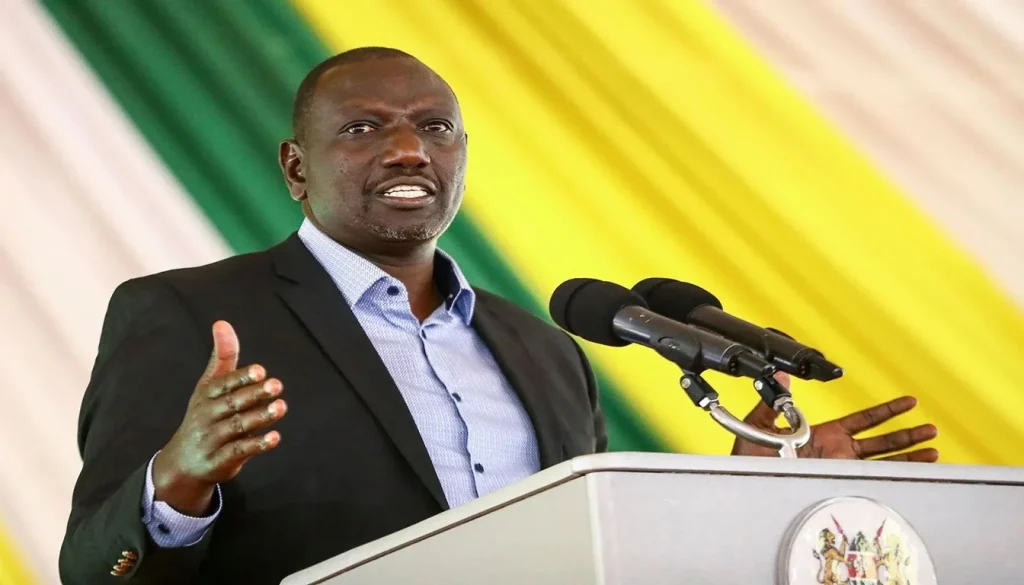
In his speech on September 7, President William Ruto ordered that all small-scale businesses run by foreigners be closed. According to him, Kenyans should be first to hawk and conduct small business operations within their country. In response, the government stated that only those without work permits would be affected.
The campaign has especially targeted East African nations, such as Burundians in the informal sector of Kenya.
Why Is Ruto Targeting Foreign Traders?
According to President Ruto, foreigners are not supposed to compete with Kenyans in small-scale trade practices, while foreign investments are acceptable in ventures that require more capital.
This came following complaints from Kenyan traders regarding economic challenges, taxes, and competition. Ruto also ordered the quick passage of the proposed Local Content Bill 2025, which aims to improve the prospects of Kenyans.
Nonetheless, the bill is yet to pass into law since it is still being considered in Parliament.
Who Is the Target?
The government has yet to provide a full list of businesses affected by the directive.
Initially, foreign-owned small ventures and hawking were all that was mentioned. However, further clarification by the Trade Ministry indicated that the directive is aimed at foreign nationals without the necessary work permits.
This is significant since foreign nationals with the appropriate work permits will be treated differently according to the type of businesses they conduct and their immigration status.
Why Are Burundians Fleeing From Kenya?
The new rule sparked fear among Burundian merchants residing in Kenya; several hundred visited the Burundian embassy to obtain travel documents as fears mounted regarding its implementation.
Kenya is home to thousands of Burundian refugees and asylum seekers who are engaged in the informal economy.
The government has requested undocumented East African nationals to register themselves through their embassies in the country and provided temporary legal status during the period of registration.
Are There Free Movement Rules Under the EAC?
Citizens of an East African Community country do not have the automatic right to engage in employment or operate businesses in another EAC country just because of their membership in the Community.
However, EAC citizens may use regional movement rules, while longer-term employment and business operations may still need the correct permits.
Human Rights Organizations Express Concern
There are also concerns about the human rights situation related to the enforcement of the new rule in Kenya.
Critics have warned that harsh implementation of the law may result in harassment or discrimination against foreign citizens.
What Will Happen in the Future?
It seems important to pay attention to how Kenya will be able to implement this order and how it will be implemented with regard to foreigners who possess permits.
Moreover, the government should pay attention to the combination of efforts aimed at protecting local businesses and the country’s EAC obligations, along with the fear of discrimination against foreign communities.
Conclusion
Thus, Ruto’s order concerning the expulsion of foreign traders in Kenya is a sign of a new stage in the development of the country’s policy concerning small businesses owned by foreigners. Although the government argues that it protects interests of the citizens of the country and follows the migration legislation, the order has caused many questions among East African traders.
Kenya’s Biggest Stories You Shouldn’t Miss
Who Can Stay Under Kenya’s Amnesty?
Check out who qualifies to remain and work under Kenya’s temporary immigration amnesty.
Why Is Kenya’s League Season Delayed?
Find out what legal dispute is delaying the 2026/27 FKF Premier League season.
Could Tax Protests Hurt Ruto Politically?
Uncover why Kenya’s new tax protests could create problems for Ruto ahead of 2027.
Why Are Nairobi Traders Protesting Import Taxes?
See why traders are opposing new duties and facing tear gas in Nairobi.
Why Is Kenya Halting Election Tech Plans?
Track down the reasons behind Kenya’s election technology procurement halt and growing fears.
