
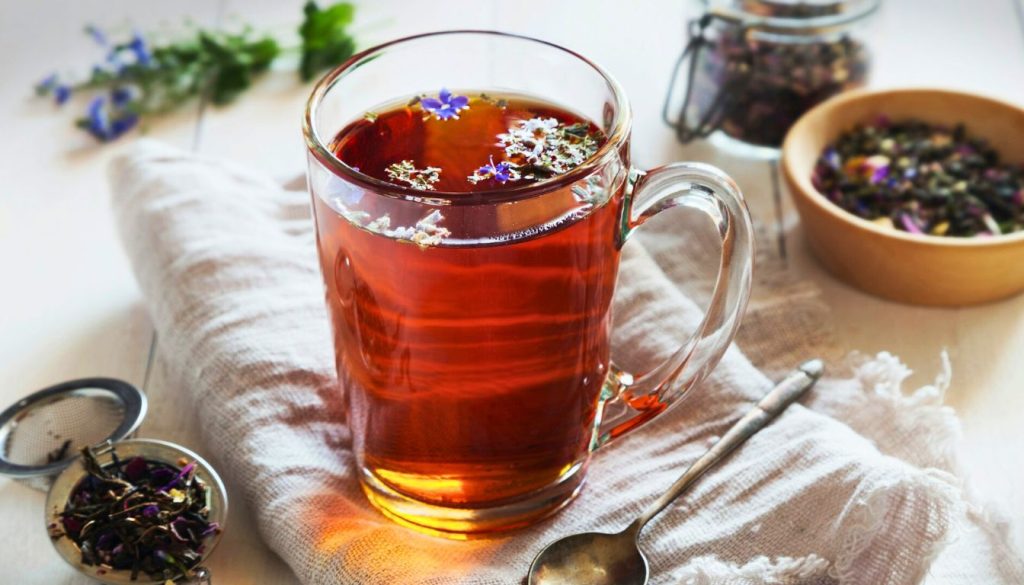
Combretum micranthum, commonly known as kinkeliba, is a traditional herbal plant widely consumed across West Africa. Often referred to as the “long-life tea,” kinkeliba has been used for generations for its medicinal and detoxifying properties. During periods of fasting — including Ramadan — this caffeine-free herbal infusion offers several health benefits that support the body naturally.
1. Supports Gentle Detoxification
Fasting naturally triggers internal cleansing processes in the body. Kinkeliba tea is traditionally known for supporting liver function and promoting detoxification. It contains natural compounds believed to help flush out toxins and reduce water retention.
Because it is mild and caffeine-free, kinkeliba does not overstimulate the digestive system after a long fast. Instead, it works gently, making it suitable for drinking at suhoor (pre-dawn meal) or after iftar (breaking the fast).
2. Aids Digestion After Iftar
After many hours without food, the digestive system can be sensitive. Heavy or oily meals may cause bloating or discomfort. Kinkeliba tea is traditionally consumed to soothe the stomach and support digestion.
Its natural anti-inflammatory and antioxidant properties may help:
- Reduce bloating
- Ease mild stomach cramps
- Support smoother digestion
- Promote bowel regularity
Drinking warm kinkeliba tea after iftar can help the body transition comfortably from fasting to eating.
3. Helps Maintain Hydration
Hydration is essential during fasting, especially in hot climates. While kinkeliba is not a replacement for water, it contributes to fluid intake and can encourage better hydration habits.
Unlike caffeinated beverages, kinkeliba does not act as a diuretic. This makes it a better choice than coffee or strong black tea during fasting periods, when preserving hydration is important.
4. Provides Antioxidant Support
Kinkeliba contains natural antioxidants that help protect cells from oxidative stress. During fasting, the body undergoes metabolic adjustments, and antioxidant-rich foods and drinks can help support overall wellness.
Regular consumption of kinkeliba tea is associated with:
- Immune support
- Reduced oxidative stress
- Improved overall vitality
5. Naturally Calorie-Free and Light
For those looking to maintain balanced nutrition during fasting, kinkeliba tea offers a zero-calorie option that feels nourishing without adding sugar or artificial ingredients. It can be enjoyed plain or lightly sweetened with honey if desired.
FAQs
1. Can I drink kinkeliba tea every day during fasting?
Yes, kinkeliba tea is traditionally consumed daily in West Africa and is generally safe when taken in moderate amounts.
2. Does kinkeliba tea contain caffeine?
No, kinkeliba tea is naturally caffeine-free, making it suitable for both suhoor and iftar.
3. When is the best time to drink kinkeliba during Ramadan?
It can be enjoyed after iftar to support digestion or at suhoor to help maintain hydration throughout the day.
