
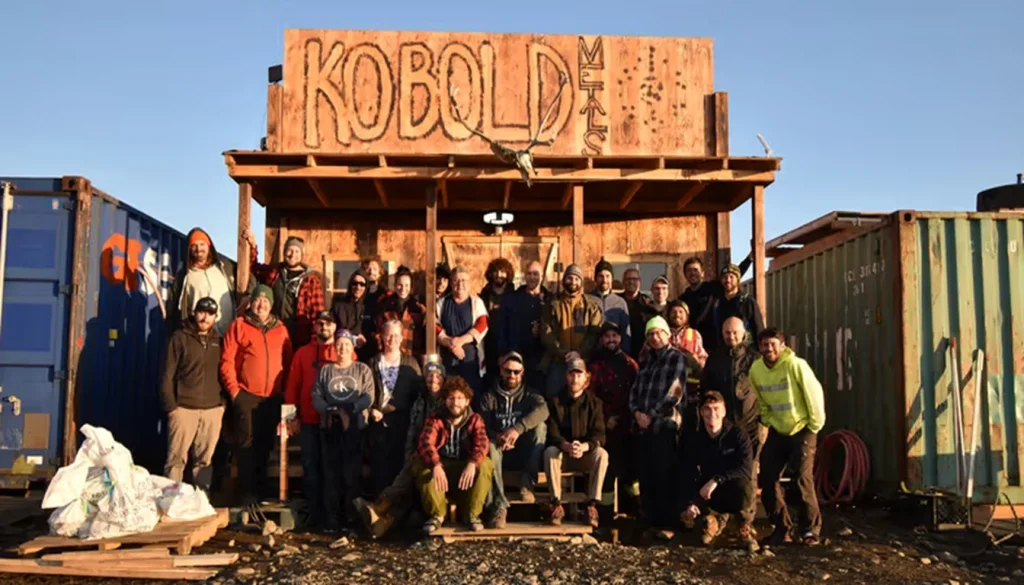
Geologists are trekking through the Congolese bush with GPS units and tablets linked to servers thousands of kilometres away. This is the daily reality of KoBold Metals AI critical minerals Congo exploration, now unfolding around the remote southeastern town of Manono. The California-based company, founded in 2018 and backed by investors including Bill Gates and Jeff Bezos, wants to find lithium before its rivals do.
How the Machine Finds the Metal
KoBold’s teams have collected about 2,000 soil samples a week since April. Just a few dozen centimetres down, the soil carries a chemical signature that points to pegmatite, the rock lithium comes from. The company’s system then combines those results with old geological maps, colonial-era drill logs and satellite images to predict where to drill. Lab manager Kevin Tambwe says this lets the team aim at very specific points rather than drilling blindly.
A Big Prize in a Big Country
The DRC is the world’s top cobalt producer and second-largest copper producer, yet much of its subsoil is still unexplored. KoBold holds 14 exploration permits covering more than 3,000 square kilometres and plans to invest over $50 million by early 2027. It is still only exploring, with production hoped for in a few years. Its managing director in Congo, Benjamin Katabuka, reports “very encouraging results” but offers no figures.
Geopolitics Beneath the Soil
KoBold’s arrival is part of a wider US push to secure strategic minerals and challenge China, which controls an estimated 70 to 80 percent of Congolese copper and cobalt. A strategic partnership between Washington and Kinshasa was signed in December, yet Katabuka admits American investment has not poured in. Next door, China’s Zijin is already shipping concentrate from a huge mine bordering KoBold’s permits.
What Manono Wants
For people in Manono, the question is less about algorithms and more about daily life. The town has no reliable electricity or clean drinking water, and the poverty rate in the region stands at 88 percent. Miners often earn under $200 a month, and the Lukushi River, once full of fish, has been diverted for mining. Territory administrator Cyprien Kitanga recalls how earlier companies took the ore and left holes behind for the children of Manono.
Some workers are hopeful. One man told AFP he wants to work for the Americans, while vicar general Wilson Katende hopes competition will lift wages and conditions. On the same morning the report was filed, miners at Zijin’s site burned tyres to protest low pay and long hours.
The Real Test
Technology can shorten the search for lithium, but it cannot decide who benefits from it. Whether this venture leaves Manono with jobs, services and clean water, or only more holes, will depend on contracts, enforcement and community voices. For Africa’s mineral-rich nations, that lesson reaches well beyond Congo.
Africa in Focus: Politics, Economy & Culture
What Does Zambia’s Election Mean?
Find out how the election outcome could affect jobs, copper prices, and the economy.
Can Africa Transform Global Supply Chains?
Uncover how rare earth resources could reshape global supply chains by 2030.
What Could Congo’s Changes Mean?
Look into the proposed constitutional changes and the debate surrounding Tshisekedi’s political future.
What Happened in the Bukavu Fire?
See what is known about the devastating school fire and its wider impact.
How Is Kinshasa Shaping Global Fashion?
Experience how DR Congo Fashion Week is bringing Sape culture to global attention.
