
A new Amnesty International report has put Morocco’s treatment of reporters back under the spotlight. The Moroccan journalists surveillance Amnesty report 2026 draws on a whistleblower’s testimony and on people who say they were watched for years, claims Rabat has long denied.
“I Was Surveilled Not Because of One Article”
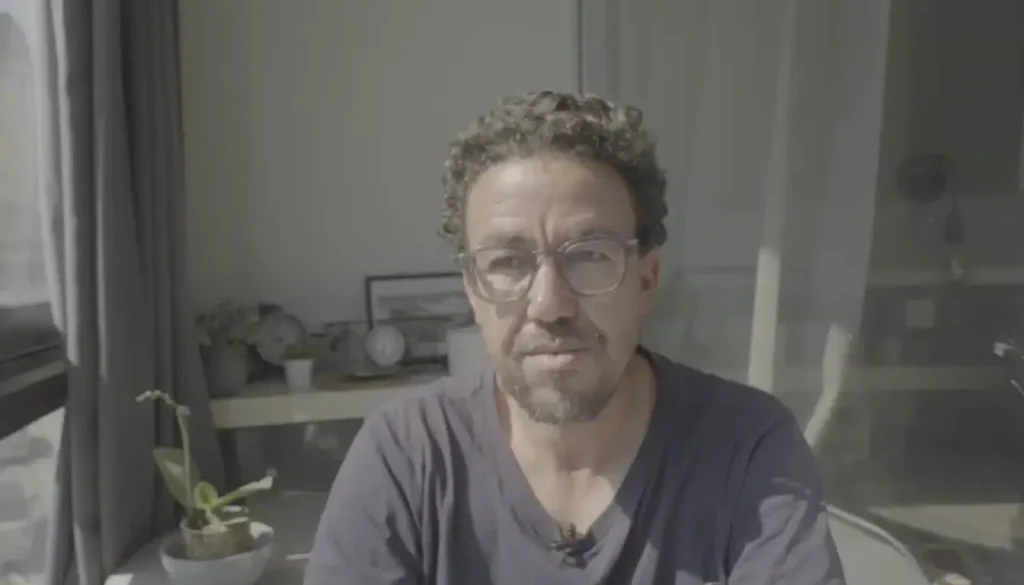
Omar Radi, a journalist now living in Germany, says he was targeted while investigating land dispossession. Amnesty’s Security Lab examined his phone in June 2020 and found Pegasus, the spyware made by Israel’s NSO Group. For two years, he says, his battery drained fast, his phone ran hot and his network slowed. The physical surveillance was hardly subtle either. He says agents collected daily reports from parking attendants and shopkeepers on his street, and ran off when he tried to photograph them. Radi believes the report explains why his police interrogations and trial felt so unfair.
Inside the Report
Titled We Start With the Verdict, the report was produced with 14 media organisations and coordinated by Forbidden Stories. It relies on a former employee of Morocco’s domestic intelligence agency, the DGST, who goes by the name Safir. Amnesty says it backed key parts of his account with technical evidence and interviews with 10 surveillance targets. It also matched 103 Moroccan phone numbers to potential Pegasus targets between September and December 2017. Of those, 65 belonged to civil society members, including 22 journalists and media workers.
Safir describes a mix of digital and physical tactics: hidden cameras, phone shops selling infected devices, neighbours recruited as informants, and infected machines in internet cafes.
Morocco Denies, Journalists Describe Pressure
Moroccan authorities rejected Amnesty’s earlier claims in 2020 and 2022 and asked for material evidence. Amnesty says it wrote to them four weeks before publication and got no reply. Al Jazeera also asked for comment and had received none. Local outlet Le360 argues that a number appearing in Pegasus records doesn’t prove a phone was infected or show who ordered an attack.
Veteran journalist Taoufik Bouachrine, who wasn’t named in the report, describes a similar pattern of fabricated criminal cases and online smear campaigns. Arrested in 2018 and sentenced to 15 years, he denies the charges. The UN Working Group on Arbitrary Detention called his detention arbitrary, and he walked free after more than six years under a royal pardon. By then his newspaper had folded, and he says its advertising revenue had been cut off.
