
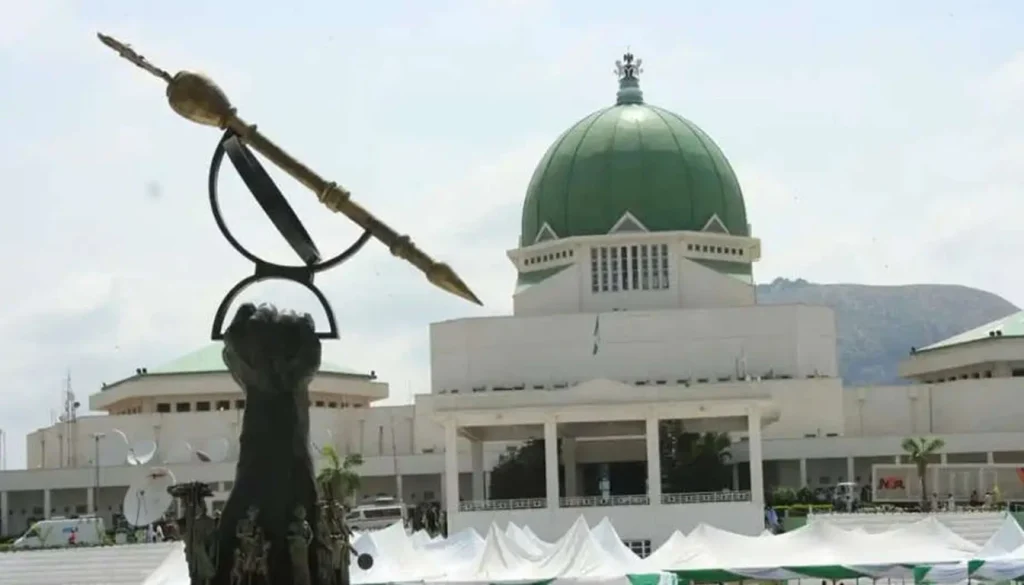
Parliament of Nigeria has stopped all official visits and legislative interactions with South Africa following continued xenophobic attacks against Nigerians and other African nationals in the country.
The National Assembly announced on September 11 that the lawmakers, committees, officials, and other staff members would not engage in any parliamentary interaction organized by South Africans until further notice. The decision includes conferences, seminars, and other similar forms of interaction and makes the ban wider than just the travel ban.
Reasons for the Decision of the Nigerian Parliament
Nigerian parliamentarians cited reports of Nigerians dying, getting injured, and being made homeless due to attacks. They also cited reports of Nigerians losing their businesses, homes, and properties.
The decision comes amid continued attacks on foreigners in South Africa. Nigerian government officials have been accusing South African authorities of not protecting immigrants.
In July, Minister of State for Foreign Affairs of Nigeria, Sola Enikanolaiye, said that 98 Nigerians were murdered since 2022 in mobs, hate-related violence, and suspected extrajudicial murders.
The Nigerian government has also been assisting its citizens with voluntary evacuation from South Africa. According to Reuters, in 2026, 1,695 Nigerians voluntarily left South Africa during the latest wave of tension.
What Happened to Nigerians in South Africa?
The latest crisis started in June when the anti-immigration movement set an unofficial deadline for illegal immigrants to leave the country.
In total, two Nigerians were murdered on June 28. The Nigerian government accused the Tshwane Metro Police of the murder of one Nigerian citizen, Emeka Charles Iroegbu, and stated that Musa Yunana Joe, who worked as a shopkeeper in Mpumalanga, was murdered by unidentified attackers.
The mentioned crimes have not been committed against Nigerians only; other African migrants also have suffered from this violence. In particular, recently in Durban there was an attack on Congolese nationals.
Why Are Migrants Being Attacked?
South Africa, owing to its relatively larger economy, has been attracting immigrants from all over Africa. But the country is plagued with issues of unemployment, crime, and pressure on its public institutions.
But anti-immigrant organizations have often blamed foreigners for these troubles, especially the issues of unemployment and crime. Yet, the authorities in Nigeria, both political and otherwise, have accused the South African government of making foreign immigrants into scapegoats.
South African Government has been making clear statements that it is against xenophobia and discrimination, but at the same time immigration rules need to be upheld. The government recently announced the deportation of almost 90,000 undocumented foreigners while also stressing border control.
New Tension between Nigeria and South Africa
This parliamentary boycott creates additional tension between the two largest African economies.
Nigeria directly brought up the issue when South African Foreign Affairs Minister Ronald Lamola visited Abuja in July. Lamola said that the South African Government was against xenophobia, while Nigeria urged more action in favor of its citizens.
This is not to say that this most recent parliamentary decision amounts to a suspension of diplomatic ties between Nigeria and South Africa, but it is aimed at parliamentary cooperation and will continue indefinitely.
Conclusion
The suspension of Nigerian visits to South Africa demonstrates how the most recent outbreak of attacks against migrants in South Africa has escalated from demonstrations on the streets to becoming an issue of diplomatic relations.
The problem for South African government officials in Pretoria is finding the right balance between enforcing immigration law and preventing violence against foreign nationals. In Abuja, the suspension of diplomatic visits is a message that attacks against Nigerians will have repercussions for diplomatic relations.
It remains to be seen whether this will result in better treatment for migrants or further tensions between the two countries.
Africa’s Biggest Stories: Minerals, Politics, Tech & Football
- Why Are Africa’s Minerals Attracting Attention?
Check out why Nigeria’s lithium and Malawi’s graphite are gaining global interest. - Could AI Threaten Nigeria’s Elections?
Explore how artificial intelligence could create new challenges for Nigeria’s 2027 election. - What Happens After Uber’s Exit?
Find out what Uber’s Nigeria and Uganda departure means for drivers and passengers. - Why Did Nigeria’s Football Leaders Resign?
Uncover the reasons behind the NFF leadership resignations after disappointing World Cup campaigns. - Who Are Nigeria’s Surrendered Terrorists?
Reveal what happens to more than 150 terrorists who have surrendered in Nigeria.
