
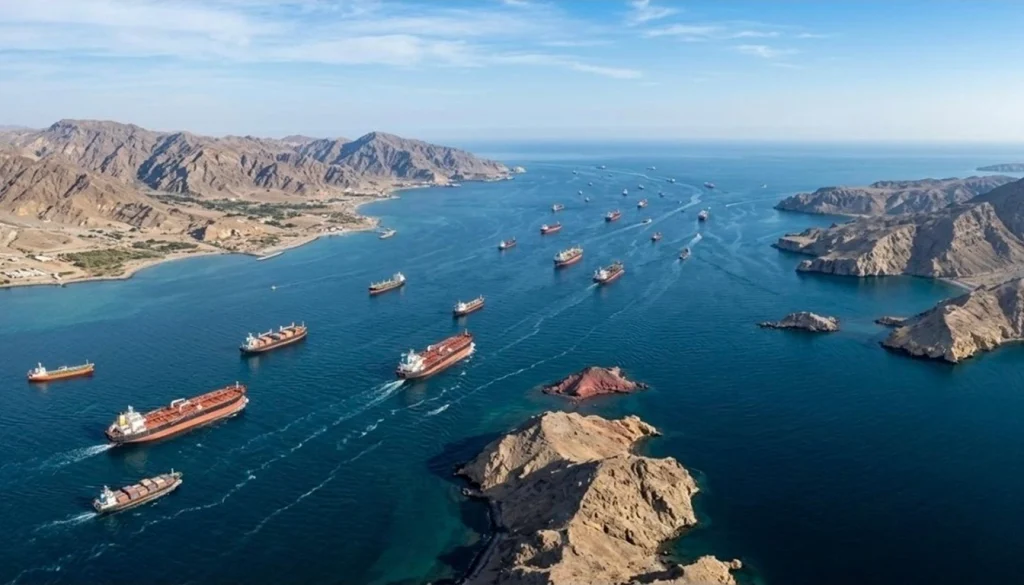
If you have noticed fuel costs creeping up at your local station, the global tug-of-war over oil prices matters to you. Crude rose on Wednesday after sinking to a two-month low the day before, as traders weighed hopes of an Iran truce against fresh attacks on ships in the Strait of Hormuz.
Whiplash in the Market
On Tuesday, prices initially dropped by more than $3 a barrel after US officials downplayed the need for more strikes on Iran. Then an Iranian security official said no talks were taking place between the two sides, and some of those losses were reversed. By Wednesday, Brent was trading at roughly $92 a barrel.
Why Hormuz Still Rules
The strait carries about a fifth of the world’s oil, and attacks on tankers haven’t stopped. Iran’s Revolutionary Guards Navy said two tankers caught fire after hitting naval mines on what it called an “unauthorised route”. Another vessel was reportedly struck northeast of Oman’s Lima. Data from the Washington Institute shows 37 ships were attacked in October, the highest monthly total since the Middle East war began, and around ten attacks have already been recorded in November.
Even a deal might not bring quick relief. LSEG analysts note that more shipping through the waterway would still depend on mine clearance, insurance costs and shipowners being willing to take the risk.
Supply Worries Beyond the Gulf
There is pressure elsewhere too. Russia’s oil refining capacity has dropped about 30% since late October after renewed Ukrainian drone attacks, according to industry sources. US crude stocks reportedly rose by 9 million barrels last week, which has tempered some of the bullishness.
What It Means for Africa
Energy analysts will tell you the broad lesson for Africa is that volatility is the real enemy. Countries that import refined fuel, and many across the continent do, are exposed whenever prices spike, because the shock tends to reach pump prices, transport fares and food costs. Producers can gain from higher prices, but swings make budgeting hard.
For now, traders are watching one question. Will diplomacy calm the Gulf before the next tanker burns? Until the answer is clear, expect oil to keep swinging.
Read More
Ethiopians Flee to Kenya: 50,000 Cross the Border as Moyale Burns
Tunisian Boatbuilders Sail Into Global Luxury Yacht Market
Ramla Ali’s World Boxing Title: Tears, Triumph and a Nation’s Pride
Harare Demolitions Leave Families Homeless After Years of Saving
Senegal Migrant Boat Tragedy: Another Atlantic Crossing Ends in Mourning
