
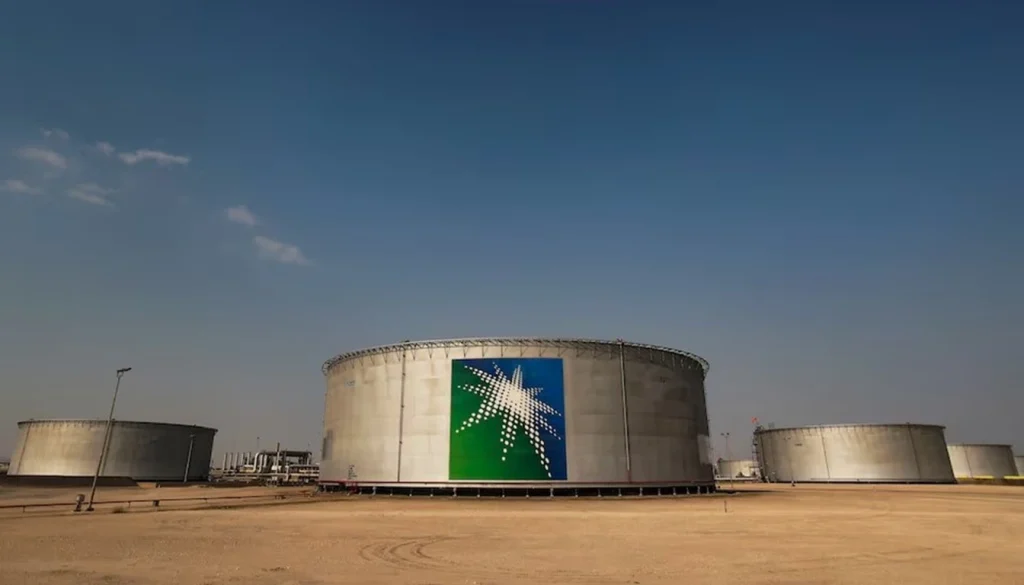
Every naira, shilling and cedi spent at the pump is tied to decisions made thousands of kilometres away. Oil prices retreat on Thursday as investors weigh the oil supply outlook against fresh Middle East tensions, and African drivers, traders and finance ministers are watching closely. Brent crude slipped more than $1 in early trade to about $104.67 a barrel, while US crude eased to roughly $94. Oil prices today are still painfully high, but the dip offers a short breather.
A tug of war over supply
Two forces are pulling the global oil market in opposite directions. Attacks on shipping around the Strait of Hormuz have surged over the past ten days, with Iran saying it is hitting back at a US blockade of its ports and tougher sanctions. Meanwhile, Washington is weighing a plan to ease sanctions on so-called shadow fleet tankers. The aim is to cut freight costs, which the Iran war has pushed to record levels.
Supply is also quietly improving. Russia and Middle Eastern producers are pumping more, and the International Energy Agency says Gulf crude exports rose by 4.4 million barrels a day in September, reaching about 75% of pre-war levels. Even an 11.1-million-barrel fall in US crude stocks barely moved the market. Analysts at Haitong Futures read that as a sign that investors are wary of chasing crude oil prices higher.
Winners and losers across Africa
Exporters such as Nigeria and Angola earn more when crude trades above $100. Importers face the opposite problem. The IMF’s latest outlook assumes crude will average 41% higher in 2026 than in 2025. It also warns that oil-importing economies without big natural resource wealth feel dearer energy and food most. For Kenya, Ghana or Ethiopia, that means costlier transport, bread and electricity.
What to watch next
Three signals will decide where prices go from here. First, whether the sanctions easing actually goes ahead. Second, whether the Hormuz attacks continue. Third, whether Gulf exports keep climbing back toward normal.
Pump prices usually lag the market, so Thursday’s retreat will not appear on forecourt boards overnight. Still, for households stretched by fuel and food bills, any easing is welcome. It is also a reminder that African budgets can swing on events in a waterway most Africans will never see.
Read More
African Energy Week Protests Put Oil and Gas Under the Spotlight in Cape Town
Running on Fumes: The World’s Oil Cushion Is Almost Gone
Kenya’s Coast Gets Its Big Bet: Africa’s Leaders Turn the First Soil on a $16B Refinery
