
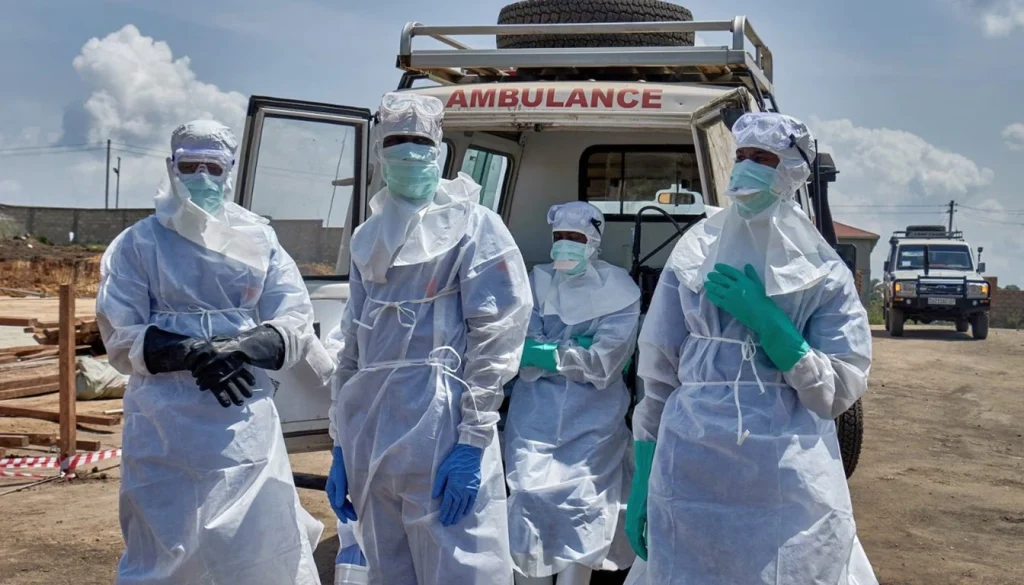
Health workers in eastern Congo are fighting two battles at once, and neither is going well. The DR Congo Ebola outbreak has now passed 11,000 confirmed cases, according to figures from the National Institute of Public Health released on Wednesday. At least 5,387 people have died, and about 2,990 have recovered.
The Worst Outbreak the Country Has Ever Seen
This is Congo’s 17th Ebola outbreak. It was officially declared in May, but experts believe the virus had been circulating for weeks, maybe months, before anyone sounded the alarm. It began in Ituri province in the northeast and has since reached seven other provinces, with Ituri and North Kivu carrying most of the cases.
The scale is hard to take in. The previous record in Congo, between 2018 and 2020, killed nearly 2,300 people out of about 3,500 cases. This outbreak has already more than doubled that death toll.
Neighbours are watching nervously too. Cases have also been reported in Uganda, Kenya and Nigeria. Kenya did get some good news this week, discharging its last patient and starting a 42-day countdown to being declared Ebola-free.
Bullets and Burning Clinics
Ituri is one of the most volatile corners of the country. On Sunday, youths set fire to a health centre treating Ebola patients in Lolwa. The same day, clashes between local militias briefly suspended the response around Fataki, the UN said. Islamic State-linked ADF rebels have also carried out deadly attacks across Ituri, Haut-Uele and North Kivu in recent days.
Every time a team cannot reach a village, contact tracing stops. Ebola does not pause while the shooting does.
No Approved Vaccine, No Easy Fix
The strain behind this outbreak is Bundibugyo, and no approved vaccine or treatment exists for it. Ervebo, the vaccine used against the more common Zaire strain, will go through a full human trial in Congo to see whether it offers any cross-protection. The WHO has also approved clinical trials of two new vaccines.
Until those results come in, the old tools have to carry the load: isolation, safe burials, and above all, community trust. That trust is hard to build when clinics are under attack.
For families across the Great Lakes region, the message is simple. This is no longer a distant headline from Ituri. Report symptoms early, avoid contact with the bodily fluids of the sick, and follow health worker guidance. The numbers will keep climbing until the guns go quiet and the response can reach everyone.
Read More
Cameroon 2027 Elections: Voters Want Fresh Faces After More Than 40 Years of Biya
Senegal Migrant Boat Tragedy: Another Atlantic Crossing Ends in Mourning
Oil Prices Bounce Back From a Two-Month Low as Hormuz Attacks Spook Markets
Vinicius Jr Sudan: A Football Star’s Message Lifts a Boy Who Lost His Legs
“Don’t Bring Your Camera”: Lagos Filmmakers Are Paying to Tell the City’s Story
