
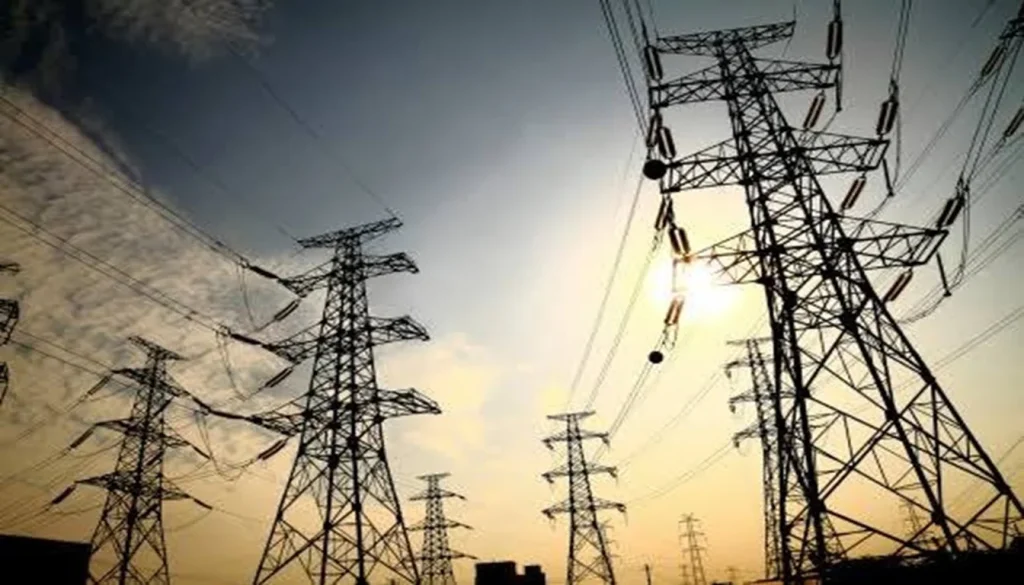
In West Africa, an impressive regional electricity grid is currently being constructed with the aim of linking power grids in 15 countries, making it possible for governments to reduce power generation costs by trading electricity across borders.
This 4,000km-long high-voltage electricity transmission network operates under the West African Power Pool (WAPP).
Unlike in the current situation where most of the countries generate their electricity from their own sources, this system makes it easy for countries with excess power to sell to neighbouring countries that are having electricity shortages.
According to the World Bank, regional energy projects are changing the power trading face of West Africa.
How Does the Regional Power Grid of West Africa Function?
The grid uses high-voltage transmission lines with voltages of about 225-330 kilovolts.
Such transmission lines link the power systems of individual countries into a more expansive grid rather than allowing them to work as independent power markets.
Thus, the electricity produced by a certain country can be transported to another country where demand for it is higher.
For instance, one country can provide its excess hydropower resources to another country in a particular period instead of generating electricity by using other costly sources like diesel.
Hence, the grid intends to optimize the use of electricity that is already being generated in West Africa.
Which Countries are Interconnected?
There is an attempt to interconnect 15 West African countries using WAPP.
The interlinked network extends from Senegal to Nigeria, with some main transmission routes facilitating the connection of the national grids.
Some of the projects are the CLSG (Côte d’Ivoire-Liberia-Sierra Leone-Guinea) interconnector that has enhanced electricity interconnections among four countries.
Another achievement is the transmission loop that connects Guinea, Guinea-Bissau, The Gambia, and Senegal.
They are working towards establishing the infrastructure necessary for electricity to flow between different nations.
Why Nations Need to Share Their Electricity
The production of electricity in West African states is very uneven.
While some countries have plenty of resources for generating hydropower, other states have thermal plants which operate using foreign and local fuel.
The creation of a regional grid makes it possible for nations to utilize these differences.
If there is excess electricity available in the power supply system of one nation, it is possible to export electricity rather than letting the extra capacity go to waste. At the same time, an adjacent country facing electricity shortages can import electricity without turning on costly emergency generators.
This approach can help reduce generation costs and increase the reliability of electricity supplies.
One example of how sharing electricity can be economically beneficial can be seen in The Gambia. It is said that the national utility of The Gambia – NAWEC – made considerable savings from buying electricity generated using hydropower in Guinea.
A New Electricity Market for Cross-Border Trade
Physical transmission cables are not all that the electricity project in West Africa is about.
The establishment of a Day-Ahead Market would help promote coordination of electricity trading in the region, enabling market participants to plan their purchases and sales one day ahead.
Electricity trading can thus no longer be conducted through bilateral arrangements, but through a well-integrated market where electricity supply and demand could be coordinated over a much wider geographical area.
In the long run, electricity trading should become more competitive and make efficient use of available generation capacity.
Over 3 Million People May Benefit from the Project
The project is also anticipated to significantly contribute to electricity access.
As a result of transmission development projects and related investments, conducted from 2019 to 2025, about 3 million people living in Burkina Faso, Guinea, Liberia, Senegal, Sierra Leone and The Gambia gained access to electricity.
For areas which usually experience problems with electricity supply, increased interconnection between countries would allow utilities to use additional sources of electricity in case of insufficient domestic generation capacity.
It is especially crucial for countries with low generation capacity.
Jobs Are Created by the Grid Too
The building of infrastructure for electricity within the region is creating jobs in the process of building and operating the grid.
These projects are said to have created over 52,000 jobs in the region in both direct and indirect terms, as shown in the statistics mentioned in the reports on the electricity project in the region.
Apart from the job creation, improved power supply can be beneficial to other industries such as business and manufacturing.
Stay Informed on West Africa’s Biggest Changes
What Changed After Sahel Nations Split?
Check out the latest trade and travel changes reshaping West Africa in 2026.
Is Your Neighborhood at Flood Risk?
Find out how Accra and Monrovia residents can check next week’s flood risks.
What Did Senegal and Mali Discuss?
Uncover what this high-profile meeting could mean for West Africa’s future.
What Decisions Will Shape Regional Security?
Track down the key ECOWAS security decisions that could impact West Africa.
Why Are West African Floods Increasing?
Dive into the countries facing rising flood risks and extreme rainfall.
