
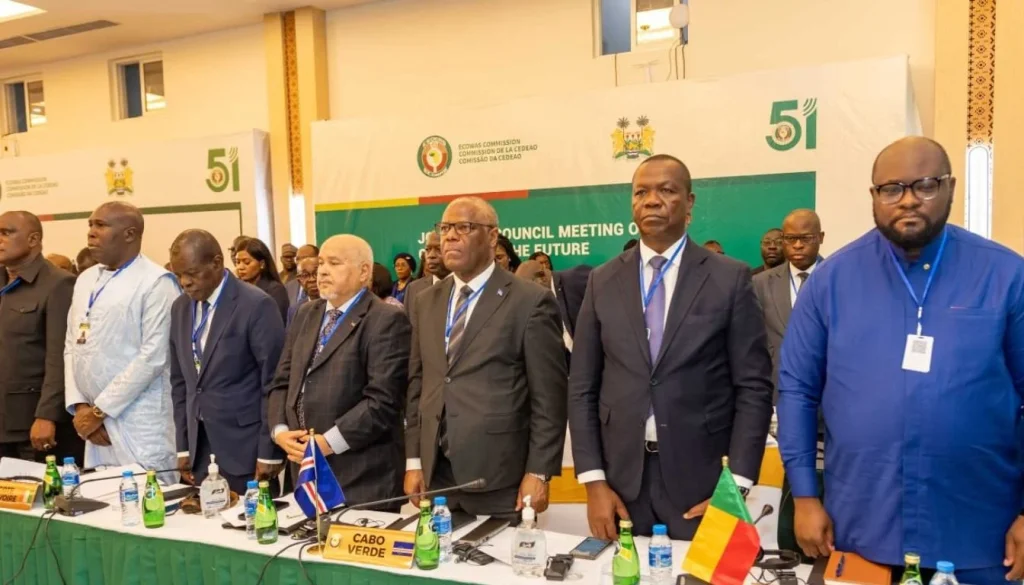
West Africa is experiencing one of the biggest changes in its history after the official split of Mali, Burkina Faso, and Niger from ECOWAS into the Alliance of Sahel States (AES).
ECOWAS after Sahel split trade and travel rules, As a result, the split not only affects future cooperation but also brings uncertainties regarding trade, border crossing, and economic integration. Although ECOWAS implements policies designed to facilitate regional mobility and trade within the region, AES is implementing its own policies, which might impact the businesses, transporters, and travelers.
Here is what has changed in 2026.
Travel Rules: Increasing Division Within West Africa
One of the main achievements of ECOWAS has been its Free Movement Protocol, which enabled citizens of member states to freely travel, reside, and work throughout most of the region without visas.
Despite the fact that many of these agreements persist during the transition period, the emergence of the AES has posed new problems in practice.
ECOWAS Countries with Coastal Borders Persist in Integration Process
Countries such as:
- Nigeria
- Ghana
- Côte d’Ivoire
- Senegal
- Benin
persist in strengthening their integration through measures aimed at improving connectivity and facilitation of crossing of border points.
Recently implemented measures involve reducing non-transport aviation fees in an effort to bring down airfares in the West African region.
Greater Border Scrutiny
As visa-free travel is not something of the past, people traveling between ECOWAS and AES countries should be ready to experience:
- Identity verification checks.
- Lengthened border processing procedure.
- Customs inspection.
Possible temporary travel restrictions according to diplomatic relations between states.
Travelers are advised to confirm the conditions of entering one country from another through the land border, as these can change without warning.
New Trade Rules Have Already Emerged
It is a trade area that has experienced the fastest changes after the separation.
AES Imposes Import Fee
The Alliance of Sahel States has started imposing 0.5% import fee on goods shipped from ECOWAS countries.
Traders in small numbers involved in cross-border trade activities and those transport firms working along traditional routes will be most affected by the split.
Departure from the ECOWAS Common External Tariff
Another notable development associated with the split is the AES countries’ decision to depart from the ECOWAS Common External Tariff (CET) regime.
It implies that:
- There might be discrepancies between the customs practices of ECOWAS and AES countries.
- There will be no more harmonized import duties.
- Extra bureaucratic steps may arise from doing business across the border.
On top of that, it can become more complicated to maintain regional supply chains based on the common customs practice.
Economic Cooperation – Energy and Currency
In addition to the trade aspect, there is more going on in terms of economic integration.
Energy Cooperation
The departure from ECOWAS has raised some doubts about further cooperation within the region, especially related to energy. The departing Sahel states do not take part in the ECOWAS-related programs anymore, such as the West African Power Pool.
Plans for a New Currency
The AES leaders also plan to set up:
- A new regional central bank.
- A common currency.
The schedule is still unknown, but businesses operating in cross-border trade are watching these events carefully since they can influence prices, exchange rates, and finances in general.
Implications for Business and Travelers
Although there is no difficulty in traveling around West Africa at the moment, the region is becoming more complicated.
Businesses have to:
- Check the latest news about customs and tariffs regularly.
- Be ready to provide extra documentation for crossing the borders.
- Account for the possibility of delays.
Travelers have to:
- Make sure what kind of documentation is required for crossing the border in advance.
- Have the proper travel documents.
Follow the latest information about the border crossing process, especially between ECOWAS and AES states.
ECOWAS after Sahel split trade and travel rules
It seems that the creation of the Alliance of Sahel States is a breakthrough in the development of the regional integration of West Africa. While ECOWAS keeps promoting free movement and collaboration of the rest of the countries, Mali, Burkina Faso, and Niger choose another way with the new import fees, customs regulations, and independent finance institutions.
More Stories You Shouldn’t Miss
What drives Lagos fintech billions growth?
Explore why Lagos fintech startups are attracting massive global investments and shaping Africa’s financial future.
Which mobile wallets rival M-Pesa Africa?
Discover the top M-Pesa alternatives leading Africa’s mobile wallet wars in 2026 and beyond.
How FLEX zero fee payments impact?
Check how FLEX is transforming Nigeria’s mobile payments with zero fees and disrupting traditional systems.
Which African businesses deliver highest profits?
Explore the most profitable business opportunities across Africa for entrepreneurs and investors today.
Who are South Africa’s youngest entrepreneurs?
Discover the top young entrepreneurs in South Africa making waves and redefining success early.
