
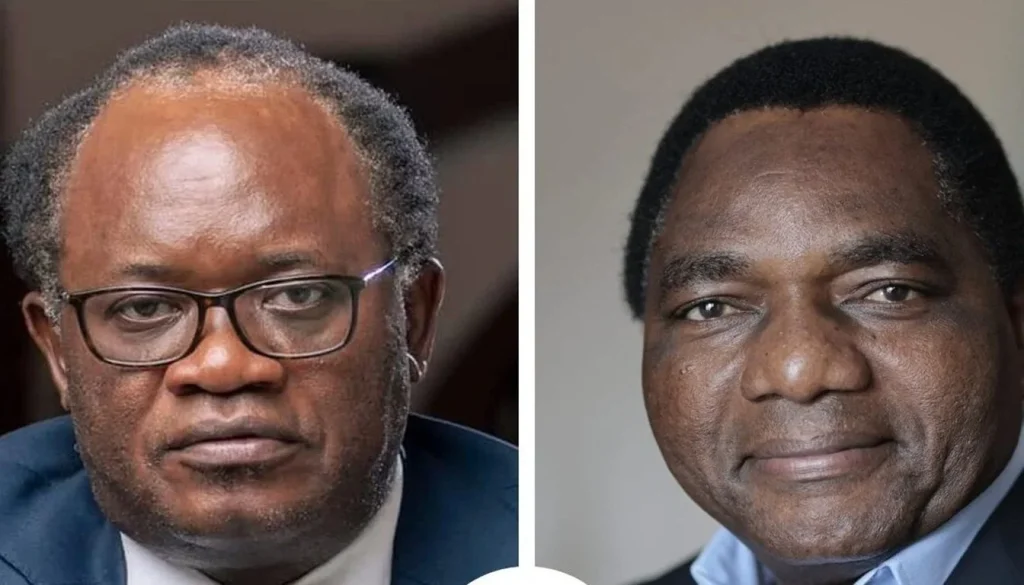
Zambia’s presidential election in turmoil days after polls closed. Opposition leader Brian Mundubile has claimed victory, but the Electoral Commission of Zambia has suspended vote counting around the country amid allegations of violence and ballot theft. For South Africans watching an economy in a neighboring SADC state, the argument is bigger than politics. It affects trade and copper markets and regional stability that affects ordinary households as well.
What is happening in Zambia right now?
Zambia held its general election on 13 August 2026 with President Hakainde Hichilema seeking a second term against 13 challengers, including Tonse Alliance leader Mundubile. With over 8 million registered voters and more than 13,500 polling stations, it was one of the largest elections in the country’s history.
The following day, Zambia’s Electoral Commission (ECZ) suspended counting and announcement of results countrywide. ECZ chairperson Mwangala Zaloumis said the decision was made after reports of violence against poll staff and theft of marked ballot papers from ballot boxes in several districts. The commission said the suspension would be reviewed within 24 hours under section 67(3) of the Electoral Process Act.
Why the Opposition is Proclaiming Victory
Mundubile said his party’s Parallel Voter Tabulation, an unofficial count based on figures collated by party agents at polling stations, showed him leading before the suspension was announced. He warned that delays in releasing official results could open the door for interference or manipulation, though he did not offer evidence for some of his more serious allegations, including reports that soldiers had taken over some counting stations.
Hichilema himself has stopped short of declaring victory or defeat. He urged citizens to remain peaceful and patient as the ECZ, the only body constitutionally mandated to declare a presidential winner, finalizes its work.
Why This Is Important to South Africa
•Trade links: Zambia is a key SADC trading partner and a large copper producer, so political instability there may affect regional supply chains and investor confidence.
•Business and migration: South African companies are present in Zambia’s mining, retail and banking sectors.
•Regional precedent: SADC has previously intervened in disputed elections and South Africa is often diplomatically involved in those processes.
•Financial markets: Southern Africa’s currency and commodity markets generally react to sustained political uncertainty in neighboring countries.
What Happens Next Under Zambian Law
The Zambian constitution requires the ECZ to announce a presidential result within 72 hours of the close of polling. If no candidate is confirmed in that window, or if the count continues to be disputed, pressure will mount on the commission to explain the delay transparently. Already, civil society groups and religious leaders in Zambia have called for calm as verification continues.
Quick checklist: Covering the Zambian election story
•Do not rely on party tabulations, only official ECZ results.
•Be on the lookout for the 72-hour constitutional deadline for a presidential declaration.
•SADC and African Union observer mission statements.
•The local news should be followed for updates, not unsubstantiated social media posts.
•Both main parties have accused each other of fiddling the figures, so early claims from any quarter should be viewed with caution.
Explore the key forces shaping Zambia’s elections, economy, currency, and business outlook.
Why Are Investors Watching Zambia’s Vote?
Check out why the upcoming election matters to investors and businesses.
How Could Zambia’s Election Reshape Africa?
Explore the potential impact on copper, China, and regional markets.
Can Hichilema Win Amid Rising Costs?
Find out how cost-of-living concerns could influence Zambia’s election.
Why Is Zambia Facing Currency Pressure?
Look into why Zambia’s currency outlook differs from Ghana’s.
What Do Falling Currencies Mean?
Uncover how currency pressure could affect businesses and consumers.
Conclusion
Zambia’s presidential vote deadlock is far from over, and whether the country moves toward a peaceful, validated outcome or more turmoil will depend on the coming days. But for South African readers, the situation is a reminder that political stability in neighboring countries has a direct impact on regional trade, markets and diplomacy. The best thing to do now is to be patient and trust verified sources until the Electoral Commission of Zambia announces an official result.
