
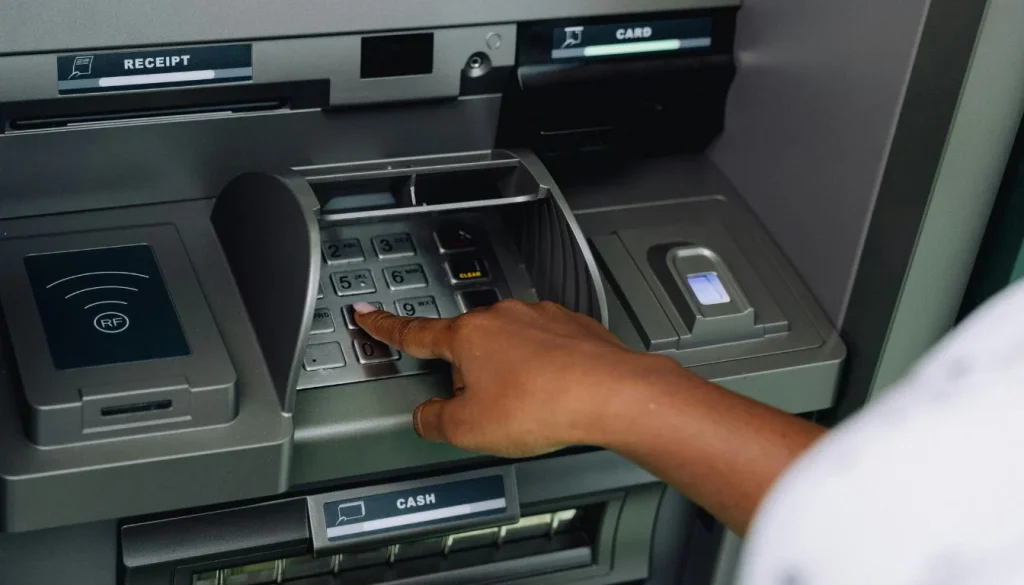
As far as savings are concerned, people would tend to prefer safe banks over high-interest-yielding banks. Safest banks in Africa, One important factor that is used to measure how safe the bank is depends on the credit rating provided by credible companies such as Fitch Ratings, Moody’s, and S&P Global Ratings.
The factors measured by these companies include capital, liquidity, risk management strategy, profitability, and the environment in which the financial institutions exist.
Based on international assessments of banks and financial institutions‘ rankings in Africa, the following are the top five safest banks in Africa in the year 2026.
1. FirstRand Bank (South Africa)
FirstRand Bank is one of the safest financial institutions in Africa.
The banking institution has benefited greatly from its business strategy, strong capital base, and a significant presence in the South African banking market.
Its subsidiaries cover different sectors such as retail banking, corporate financing, insurance, and investments.
2. Absa Bank (South Africa)
Absa continues to be one of the most recognizable banking firms in Africa and is among the safest banking entities on the continent.
Factors contributing to its safety include its geographical spread, capital adequacy, and proper risk management.
Its geographical spread includes many countries in Africa, which adds to its diversified portfolio and hence makes it financially safer.
3. Attijariwafa Bank (Morocco)
Attijariwafa Bank is regarded by many as the safest bank in the North Africa region.
The bank has achieved success in expanding in Francophone Africa and enjoys a reputation for safety, sound governance, and sustainable growth.
Its status as being among the largest financial organizations on the continent ensures it receives positive reviews from international analysts.
4. Nedbank (South Africa)
Nedbank is part of the “Big Four Banks” of South Africa and continues to make news because of its strong financial standing and conservative approach to risks.
Some of the strengths of Nedbank include its liquidity, capital adequacy, and asset quality.
Its stable operating environment has earned it respect among many people in need of safe banking facilities.
5. Rawbank (DR Congo)
This bank has established itself as one of the finest financial institutions in Central Africa.
The bank enjoys a good reputation due to its sound operations, compliance with international rules, improvement in corporate governance, and good ratings from international credit rating agencies.
Its recognition as one of the safest banks in Africa indicates the increasing professionalism of the financial sector in the Democratic Republic of the Congo.
Factors that Make Banks Safe
Certain factors contribute to making a bank safe, and these include:
Capital Strength
It is true that banks that enjoy good capital reserves find themselves in an advantageous position when market turbulence is at its height.
Levels of Liquidity
Having sufficient levels of liquidity ensures that banks are able to fulfill customer demands for withdrawals.
Credit Rating
Fitch, Moody’s, and S&P make independent analyses of the financial strength and creditworthiness of banks.
Regulation
Banks that operate in well-regulated systems are able to take advantage of it.
Conclusion
African safest banks are those banks that operate in well-regulated economies. Such institutions include FirstRand, Absa, Attijariwafa Bank, Nedbank, and Rawbank.
These banks have been recognized for their stability, capital structure, and sound management of risks.
Top Picks For You
What makes Africa ideal for nomads?
Explore the best African cities offering remote work freedom, affordability, and vibrant digital nomad communities.
Which jobs pay highest in Zimbabwe?
Discover top-paying careers in Zimbabwe and check salary trends shaping opportunities in 2025.
Where to find Lagos work-friendly cafés?
Check out Lagos coffee spots perfect for Wi-Fi, productivity, and a great remote work vibe.
How is Africa reshaping global technology?
Explore how innovation and digital growth are changing Africa’s global image and tech landscape.
Why is Nigeria boosting tech jobs?
Discover how Nigeria plans to create millions of digital jobs and explore future opportunities.
