
Last updated on July 24th, 2026 at 09:45 am
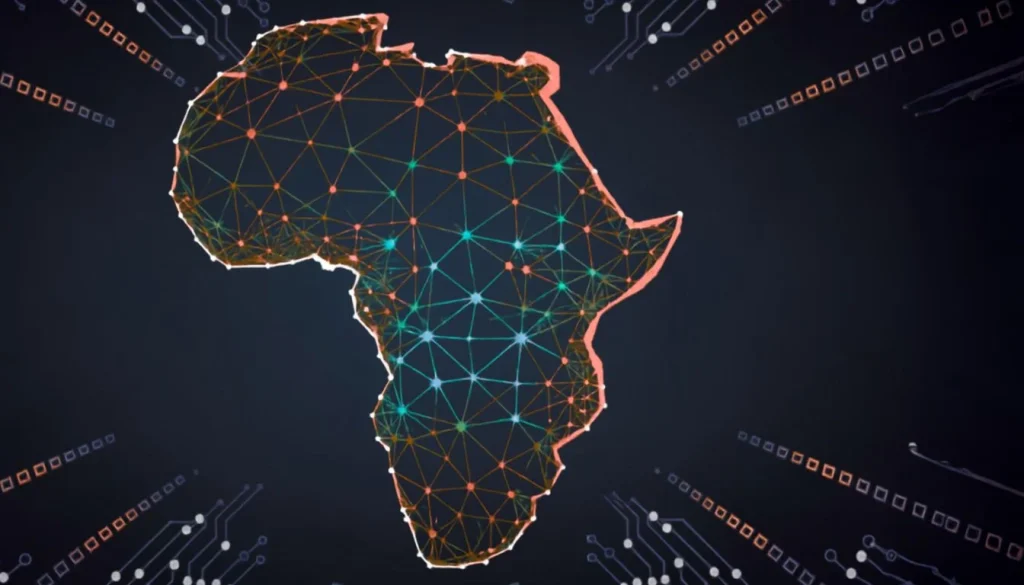
AI technologies are revolutionizing economies around the globe, and Africa does not want to get left behind. Africa AI technologies, Various actors within Africa – whether governmental, startups, or tech companies – are developing AI solutions to local problems in such areas as healthcare, agriculture, financial inclusion, and education.
But the crucial question is whether Africa can create the next wave of AI innovations or whether it will have to consume technologies created elsewhere.
What Determines Africa’s Ability to Be a Creator of AI Innovations?
Various structural issues will determine whether Africa will be able to become a creator of AI innovations.
Inadequate Computing Infrastructure
AI is dependent upon vast computing capacities to develop and implement sophisticated AI models. Africa is home to approximately 18% of the world’s population, but less than 1% of computing capacities in the world are located in Africa.
As a result, most of the companies and academic organizations are using cloud infrastructures located outside the continent, which causes additional expenses and decreases digital sovereignty.
Energy and Internet Limitations
The availability of reliable energy in most African countries prevents the operation of data centers and research facilities for developing AI models.
Also, Internet access in Africa remains insufficient. Even though access is being improved each year, the price for broadband Internet access in some African countries remains relatively high, limiting the availability of AI tools for businesses, researchers, and students.
Inadequate Long-Term Investments
The flow of venture capital into African startups has been growing steadily over recent years. However, the majority of investments go towards quickly scalable ventures.
Creating native AI models takes many years of investment in:
- Computing infrastructure.
- Big data.
- Researchers.
- Languages.
- Semiconductor and cloud ecosystems.
Indications Africa Is Turning into an AI Innovator
Despite all these difficulties, the continent is showing considerable progress.
Native AI Companies
African native startups are now designing AI products targeted at their local communities.
Companies like Lelapa AI are creating multilingual language technologies able to provide support for African languages that have not received enough attention from global AI developers.
Some other startups are using AI in:
- Precision farming.
- Disease detection.
- Financial services.
- Climate Monitoring.
- Education Technology.
This is what makes these local innovations unique, as these are the challenges that are overlooked by major AI companies around the world.
Enhancing Data Center Capabilities
A significant amount of investment in digital infrastructure is helping to enhance the AI environment in Africa.
The partnership between Cassava Technologies and NVIDIA is enhancing the capabilities of data centers in several countries in Africa.
AI Strategies on the Continent
Governments are also getting more coordinated.
More than 20 African nations have rolled out their AI strategies or digital transformation strategies.
At the same time, the African Union is advocating for a continental AI strategy that will cover:
- Responsible development of AI.
- Data governance across borders.
- Digital sovereignty.
- Ethical AI.
- Skill development.
AI roadmaps are also being developed by regional associations such as the East African Community.
What Needs to Be Done?
According to experts, some priorities will define the AI future of Africa.
These are:
- Availability of broadband connections at affordable rates.
- Development of AI-enabled data centers.
- Renewable energy to power digital infrastructure.
- Investment in AI research by universities.
- Funding of deep-tech startups.
- Development of AI models that are based on African languages and datasets.
If these things happen, Africa will be able to engage in the global AI economy without depending on technologies developed elsewhere.
Conclusion – Africa AI technologies
In many ways, Africa is already creating its own path towards an AI future by creating national AI strategies and innovative companies, among others.
Nevertheless, significant deficits in computational power, reliable electricity, internet connectivity, and financing hamper Africa’s chances to become a competitor to the existing AI leaders in the world. It depends on the actions taken by African nations as to whether they become creators of AI in the world or remain consumers.
More Stories You Shouldn’t Miss
What drives Lagos fintech billions growth?
Explore why Lagos fintech startups are attracting massive global investments and shaping Africa’s financial future.
Which mobile wallets rival M-Pesa Africa?
Discover the top M-Pesa alternatives leading Africa’s mobile wallet wars in 2026 and beyond.
How FLEX zero fee payments impact?
Check how FLEX is transforming Nigeria’s mobile payments with zero fees and disrupting traditional systems.
Which African businesses deliver highest profits?
Explore the most profitable business opportunities across Africa for entrepreneurs and investors today.
Who are South Africa’s youngest entrepreneurs?
Discover the top young entrepreneurs in South Africa making waves and redefining success early.
