
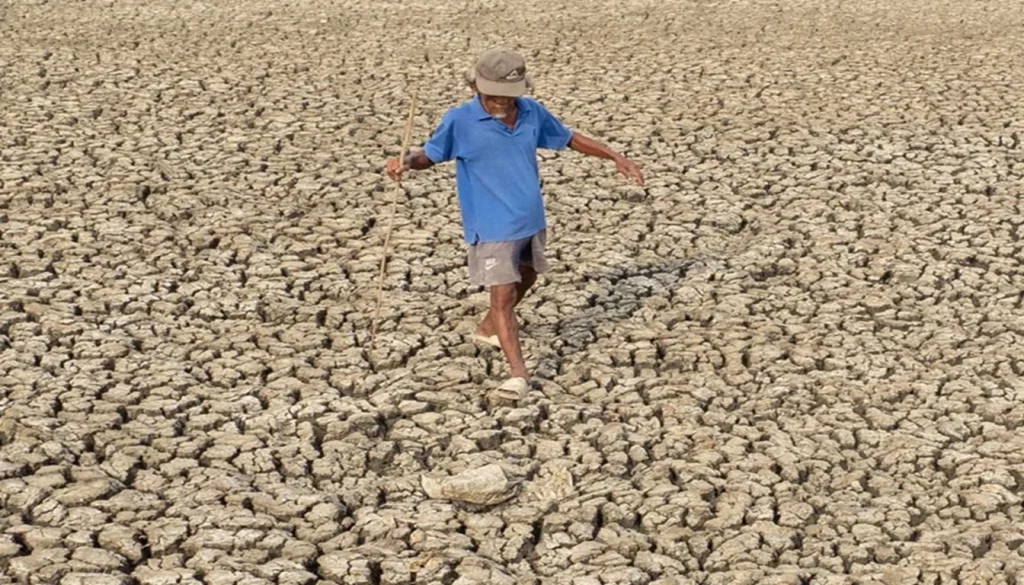
Weather watchers are sounding the alarm: a powerful “Super” El Niño may be taking shape over the next few months, and African governments are scrambling to get ready. The African Development Bank (AfDB) estimates the fallout could run anywhere from $10 billion to $20 billion making it one of the costliest climate disasters the continent has faced in years, with food supplies, jobs, and entire economies hanging in the balance. Adding to the worry: global temperatures are already running hot, which has forecasters bracing for an El Niño that could rank among the strongest ever recorded.
So What Exactly Is a ‘Super’ El Niño?
Think of El Niño as a naturally occurring climate pattern that shows up every few years but a “Super” El Niño is the extreme version. It happens when the central and eastern Pacific Ocean heats up far beyond normal. That warming might start on the other side of the planet, but its ripple effects reach Africa fast. The usual result: brutal droughts in some places, devastating floods in others, ruined harvests, dried-up water supplies, and food prices that climb out of reach for a lot of families. Right now, ocean conditions are lining up in a way that has climate scientists worried this could be one for the record books.
The Countries in the Crosshairs
According to the AfDB, a handful of nations are especially exposed:
- Sudan
- South Sudan
- Democratic Republic of Congo
- Somalia
- Mali
- Burundi
- Nigeria
What makes this especially dangerous is that many of these countries are already dealing with conflict, displacement, and fragile infrastructure so a climate shock lands on top of problems they’re still fighting. Some of the hardest-hit economies could see their GDP shrink by 1% to 2%, a painful blow for nations with little room to absorb it.
Farms and Food Supplies Take the Hardest Hit
Across much of Africa, agriculture isn’t just an industry it’s how millions of people put food on the table. That also makes it the sector with the most to lose. In Southern and Eastern Africa, extended droughts threaten to wipe out maize, wheat, and livestock. Meanwhile, other regions could get hit with the opposite problem: torrential rain that wrecks crops and tears up roads and infrastructure. The AfDB warns maize prices could double if harvests come up short, squeezing families who are already stretched thin. The UN’s Food and Agriculture Organization (FAO) has flagged Southern Africa and the Sahel as two of the world’s biggest agricultural danger zones when it comes to El Niño-driven drought.
Why the Price Tag Could Hit $20 Billion
The damage doesn’t stop at the farm gate. When crops fail, the shockwaves spread, export earnings drop, food processing slows down, transportation networks feel the strain, hydropower generation suffers, and government revenues take a hit. On top of that, there’s the cost of emergency relief, rebuilding what’s destroyed, and supporting people forced from their homes. There’s also a darker ripple effect: as water and grazing land become scarcer, competition over what’s left could spark local conflicts and push even more people to migrate.
The Push for Governments to Act Now
The AfDB says Africa may need as much as $100 billion in climate adaptation funding over the next year, nearly double what was previously estimated just to shore up disaster preparedness and protect communities most at risk. At the same time, the FAO and World Food Programme have launched a joint appeal to raise money to help almost 9 million people across 22 high-risk countries. The goal is to get ahead of the disaster with early warning systems, drought-resistant seeds, support for livestock, and emergency aid before things spiral.
Top Picks For You
What makes Africa ideal for nomads?
Explore the best African cities offering remote work freedom, affordability, and vibrant digital nomad communities.
Which jobs pay highest in Zimbabwe?
Discover top-paying careers in Zimbabwe and check salary trends shaping opportunities in 2025.
Where to find Lagos work-friendly cafés?
Check out Lagos coffee spots perfect for Wi-Fi, productivity, and a great remote work vibe.
How is Africa reshaping global technology?
Explore how innovation and digital growth are changing Africa’s global image and tech landscape.
Why is Nigeria boosting tech jobs?
Discover how Nigeria plans to create millions of digital jobs and explore future opportunities.
