
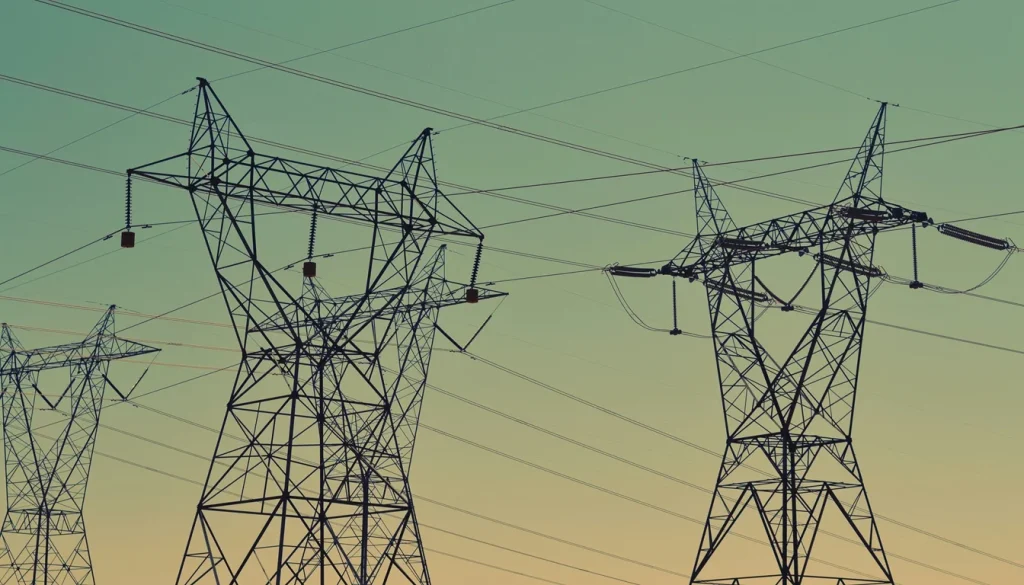
Sudan is going through one of the toughest electricity crises it has seen in years. Households in Khartoum, Kassala and Port Sudan are sitting in the dark for up to 20 hours some days, and this is happening while the mercury pushes past 44 degrees Celsius. Anyone in South Africa who lived through the worst stages of load-shedding will find parts of this story uncomfortably familiar, even though what is driving it in Sudan is a lot more serious.
Why Sudan’s Power Grid Is Falling Apart
The war that has gripped Sudan since April 2023 has left the power sector in ruins, with damage estimated at nearly three billion dollars. Roughly 15,000 transformers have been destroyed or stolen, and close to 150,000 kilometres of cable has been ripped out and sold for its copper. On top of that, dam reservoirs are running low because of drought, thermal stations are overdue for maintenance, and power stations keep getting hit by drone strikes. Put all of that together and it’s not hard to see why the system is buckling.
Sudan’s entire installed capacity is around 3,000 megawatts, split between hydro dams and thermal plants. Even before the fighting started, that wasn’t much for a country this size. Now, with key stations knocked out and transmission lines cut, places like Darfur and Kordofan are stuck relying on small, isolated supply zones that barely keep the lights on.
What Daily Life Looks Like Under These Blackouts
People describe going without power for a full day, sometimes longer. Water pumps stop working, there’s no way to cool down in the heat, and daily routines fall apart. In Port Sudan, some households went more than 24 hours without electricity. In the Northern State, anger over the situation recently boiled over into protests, with people blocking a key road that links Sudan to Egypt.
Comparing This to South Africa’s Own Power Problems
South Africa’s ongoing electricity shortages come from a different place entirely: ageing coal stations, poor maintenance, and years of underinvestment rather than war. Still, the outcome looks familiar: not enough power to match demand. South African households have learned to cope through solar setups, battery inverters and apps like EskomSePush that give a heads-up before the lights go out. Sudan has no such warning system right now, so families are often caught off guard.
A Few Practical Steps Worth Considering
- Keep even a small backup power option at home for sudden outages.
- Rely on verified news rather than rumours doing the rounds online.
- Support groups delivering solar power to areas hit hardest by the Sudan electricity crisis.
- Keep an eye on how future peace talks handle rebuilding the grid.
- Look at how South Africa’s own power cuts have been managed, and where lessons could apply elsewhere.
Conclusion
What’s happening in Sudan shows just how fast a war can wipe out years of infrastructure progress. South Africa’s power struggles have different causes, but the takeaway is the same either way: electricity systems don’t fix themselves, and rebuilding one from the ground up takes real money and real time. Keeping an eye on Sudan’s situation is a good reminder to stay serious about building power systems that can actually hold up under pressure.
Explore More Stories Shaping Saudi Arabia & the Horn of Africa
Could Jeddah Shape Sudan’s Peace Future?
Check out how Saudi Arabia’s Jeddah Platform influences Sudan peace negotiations.
Is Saudi Arabia Reshaping Somalia’s Future?
Uncover Saudi Arabia’s growing military involvement and its regional implications.
When Will Saudi Arabia Celebrate Eid?
Find the expected Eid ul Fitr 2026 date, moon sighting, and celebrations.
Could Saudi Investment Reshape Sudan’s Conflict?
Dive into the $35B investment talks between Sudan’s military chief and Saudi Arabia’s Crown Prince.
Can Baidoa Withstand Somalia’s Latest Fighting?
Track down the latest clashes challenging Somalia’s Federal Government in Baidoa.
