
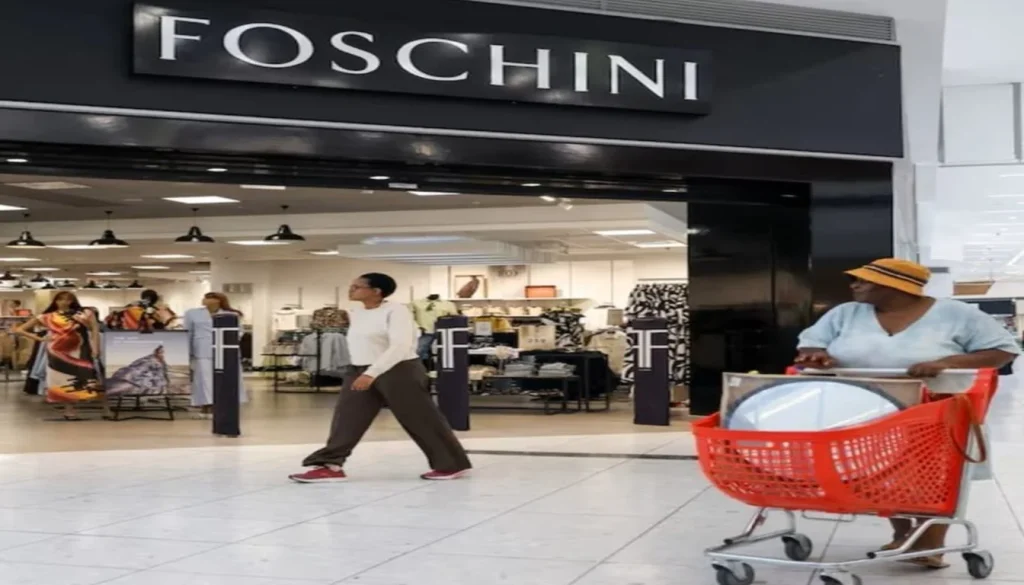
The Foschini Group, South Africa’s fashion and lifestyle retail giant, said on September 2 that it expects to close a further 180 stores over the next three financial years. The move is part of a broader push to cut costs and improve profitability as more shoppers move their spending online. The retailer, founded in 1924 and now running close to 4,900 outlets across five continents, said the closures form part of an effort to structurally reduce costs and make its store network more efficient.
The Numbers Behind the Announcement
In a trading update covering the 21 weeks to August 22, TFG reported group sales growth of just 0.2 per cent to 23 billion rand, a largely flat performance for the start of its 2027 financial year. During that period, TFG closed 85 stores it judged no longer economically viable while opening 25 new ones, a net loss of 60 stores in less than five months. Looking ahead, the company expects around 80 more stores to meet its closure criteria during the 2027 financial year, followed by roughly 100 additional closures over the two years after that. TFG had already flagged part of this in June, when it warned it planned to close at least 100 underperforming stores while reviewing about 300 other locations across its portfolio.
Which Brands Are Affected
TFG’s South African stable includes well-known names such as Foschini, Sportscene, and Markham, alongside dozens of other fashion, jewellery, beauty, technology, and homeware brands under its wider portfolio of 39 chains. The company has not named which specific stores or brands will close first, and it has stressed that shutting a store is treated as a last resort. Before closing a location, TFG typically looks at whether it can be improved, repositioned, or handed over to a better-performing brand within the group rather than closed outright.
Why TFG Is Shrinking Its Store Footprint
The driving force behind the closures is a steady shift toward online shopping. TFG’s group online revenue rose 15.3 per cent and now makes up close to 16 per cent of total sales, while online sales across its African operations jumped over 54 per cent, powered largely by its Bash e-commerce platform. As digital sales grow faster than in-store sales can keep pace with, TFG is choosing to trim its physical footprint rather than hold onto locations that are not pulling their weight. The group’s African business still grew 3.4 per cent overall, showing the region remains a bright spot even as the store count shrinks, while weaker trading in Australia and the UK weighed on the company’s global results.
What This Means for Jobs
TFG has not disclosed how many jobs could be affected by the coming closures, but every store shutdown typically puts the staff working there at risk. With around 240 stores expected to close over the next three years, on top of the 85 already shuttered this year, thousands of retail positions across South Africa could be affected in the coming months, from sales assistants to store managers. Workers in stores flagged for closure would usually be offered redeployment to other TFG outlets where possible, though the company has given no specific guarantees on this round of cuts.
What Comes Next
TFG says the consolidation is expected to improve both profitability and return on capital, and management plans to keep investing in its online growth as physical stores shrink. For now, the exact list of stores facing closure remains undisclosed, and affected staff are likely to find out only as each round of closures is confirmed over the next three financial years. With online sales continuing to climb and consumer spending expected to stay under pressure, the pattern of store closures across South Africa’s retail sector looks set to continue well beyond TFG alone.
Related Reads You Shouldn’t Miss
Could Shoprite’s Growth Reshape Retail?
Check out what 12.2% earnings growth means for South African shoppers and the retail market.
Where Are iPhone 17 Prices Cheapest?
Find the latest African price comparison before choosing your next iPhone 17 or Samsung Galaxy.
What Happens After Mass Protest Arrests?
Uncover what could follow after more than 900 arrests during South Africa’s anti-immigrant protests.
Which African Banks Suit Students Best?
Browse leading student-friendly African banks, including Tyme Bank, Kuda Bank, and Co-op Bank.
Which Bank Cards Handle Subscriptions?
Explore African bank cards suited for Netflix, Spotify, ChatGPT, and other international subscriptions.
