
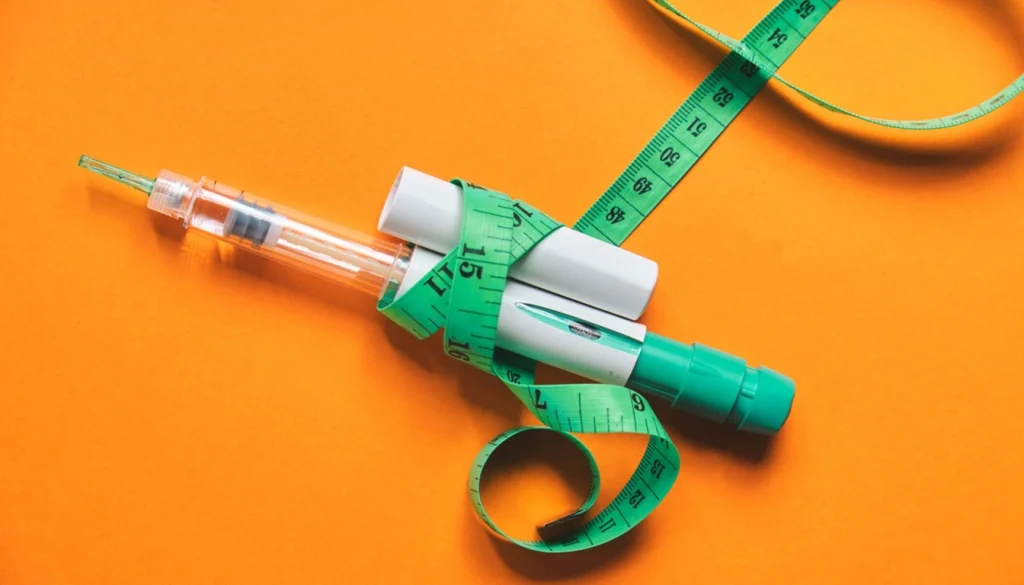
Walk into almost any pharmacy in Johannesburg or Cape Town and you will hear about weight-loss jabs. This week, South Africa weight-loss drug rules moved to the front of the news, as regulators confirmed they are revising how medicines can be customised. The target is the fast-growing, lightly policed trade in compounded versions of GLP-1 treatments, the drug class behind Ozempic, Wegovy and Mounjaro.
What regulators said
Speaking at a roundtable on counterfeit medicines on Wednesday, Vincent Tlala, head of the South African Pharmacy Council, said the council is working with the health products regulator, SAHPRA, on updated minimum standards for compounding. His concern is pharmacies mixing customised weight-loss medication in anticipation of demand, rather than for specific patients. In his words, pharmacies are turning into small-scale manufacturers, and the council opposes that.
SAHPRA’s Daphney Fafudi went further, describing compounded weight-loss products as a scourge. Both bodies fear that large-scale compounding opens the door to counterfeit medicines. The revised standards should go before the council in February, with publication aimed for March.
Why now?
The rules already existed, but people read them differently. That confusion fed a legal fight between the Pretoria compounding firm iDexis and Novo Nordisk. In June, the High Court barred iDexis from making semaglutide products, after hearing it was producing about 84,500 doses a month. iDexis is appealing.
Price drives the whole saga. Obesity is not a prescribed minimum benefit in South Africa, so medical schemes do not have to cover the jabs. Many people who cannot afford branded products turned to cheaper compounded copies. Relief may be coming: Novo’s semaglutide patent expired in March, and India’s Sun Pharma won approval in July for a generic version, aimed at type 2 diabetes.
What patients should do
Medicine safety is the real issue here. Anyone using a weight-loss injection should buy only from a registered pharmacy, ask for a valid prescription, and be wary of influencer deals and social media sellers. If a price looks too good to be true, the product may be unregistered or fake. Clearer pharmaceutical policy should help honest pharmacists and protect patients. Until the new standards land, caution is the best prescription.
Read More
Traditional African Medicine: How Zambia’s Healing Practices Differ Across Africa
Telemedicine: The Future of Healthcare in Africa?
The African Union has chosen Rwanda to host the new headquarters of the African Medicines Agency
