
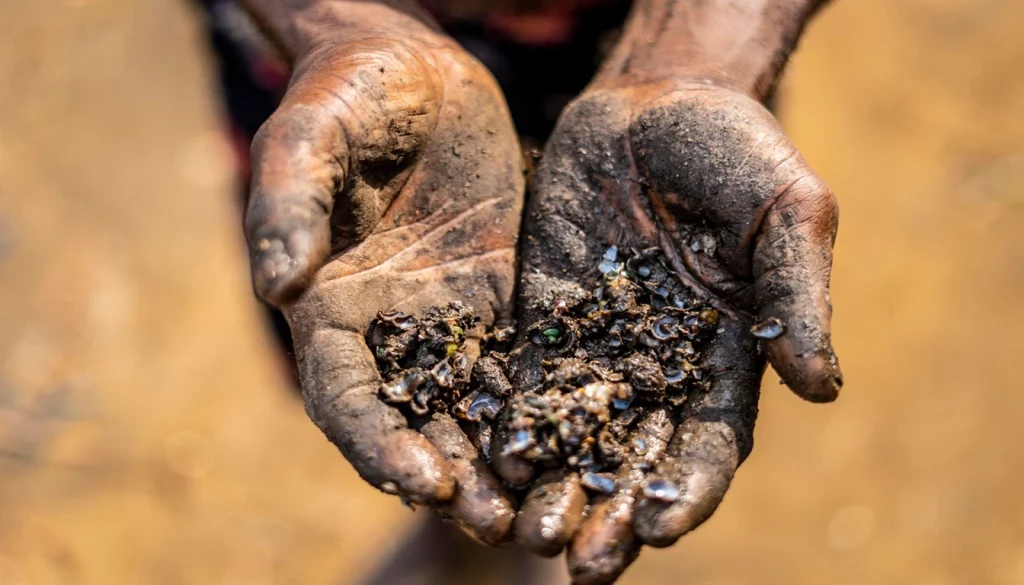
Every electric car, wind turbine and smartphone depends on metals that sit beneath African soil. Africa’s Critical Minerals, from cobalt and lithium to manganese and platinum group metals, have become some of the most contested resources on the planet. Yet the continent that holds so much of this wealth still earns only a small share of the money it generates.
Sitting on a Fortune
Africa holds roughly a third of the world’s known mineral reserves, according to figures widely cited by the African Union and the UN. The Democratic Republic of Congo produces around 70 percent of the world’s cobalt. South Africa dominates platinum and manganese output. Guinea has some of the largest bauxite deposits anywhere, and its Simandou mine holds one of the biggest untapped high-grade iron ore reserves. Zimbabwe, Namibia, Mali and Ghana have all attracted fresh interest because of their lithium.
This is why critical minerals in Africa now feature in the strategy papers of Washington, Brussels, Beijing and the Gulf. Demand for batteries and clean energy technology is climbing, and buyers want secure supply. African mineral resources have moved from the margins of global trade to the middle of it.
The Old Story, Again
Africans have heard this tale before. For more than a century, the mining industry Africa built was designed to dig, crush and ship. Ore left the ports, and the factories, jobs and patents that turned it into finished goods appeared somewhere else.
The numbers show how lopsided it remains. A tonne of cobalt hydroxide sells for far less than the refined chemicals and battery cathodes made from it. Most of that extra value is created in Asia, where refining capacity is concentrated. China processes the large majority of the world’s cobalt and a very large share of its lithium and rare earths, including a lot of material mined in Africa.
Resource-rich countries have long struggled with the so-called resource curse: big export earnings, little diversification, and an economy that rises and falls with commodity prices. Nobody in Lubumbashi, Kitwe or Kolwezi needs it explained. Communities living next to some of the richest mines on earth often have poor roads, unreliable power and few jobs.
What Mineral Beneficiation Really Means
The idea at the centre of the debate is mineral beneficiation: turning raw ore into something more valuable before it is sold. That can mean smelting copper into cathode, refining lithium into battery-grade chemicals, or making precursor materials for battery factories.
Governments increasingly see value addition as the route out of the raw-export trap. Indonesia is the model people point to. It banned unprocessed nickel exports and drew in billions of dollars of smelting investment, becoming the world’s leading nickel producer within a few years. The environmental and social costs of that boom are real and still debated, but the lesson on policy leverage was noticed across Africa.
African Governments Are Moving
Several countries have already acted. Zimbabwe banned the export of raw lithium ore in 2022 to push investors toward local processing, and Namibia introduced restrictions on unprocessed lithium too. Gabon has said it will stop exporting raw manganese in the coming years. The DRC and Zambia have signed an agreement to develop a regional battery and electric vehicle value chain, built on Congolese cobalt and Zambian copper.
At the continental level, the African Union’s Green Minerals Strategy sets out a plan to build processing and manufacturing capacity instead of simply supplying raw material. The African Continental Free Trade Area adds another piece, because a bigger market makes regional factories easier to justify.
Why Local Mineral Processing Is Hard
Export bans are easy to announce and hard to make work. Local mineral processing needs three things that many countries still lack.
- Power: Smelters and refineries use enormous amounts of electricity. Where grids are weak or expensive, plants cannot compete. Countries with cheap hydropower or growing renewable capacity have a real advantage.
- Infrastructure: Reliable rail, ports and water are essential. Projects like the Lobito Corridor, linking Congo and Zambia to Angola’s Atlantic coast, show how transport can change the economics of a whole region.
- Capital and skills: Processing plants cost far more than mines to build, and they need engineers, chemists and technicians. Training those people takes years, which is why technical colleges and university partnerships matter as much as the factories themselves.
There is also the risk of policy whiplash. If rules shift suddenly, investors hesitate. Governments that pair export restrictions with clear timelines, stable contracts and real incentives have a better chance of success than those relying on bans alone.
Fairer Deals, Not Just Bigger Mines
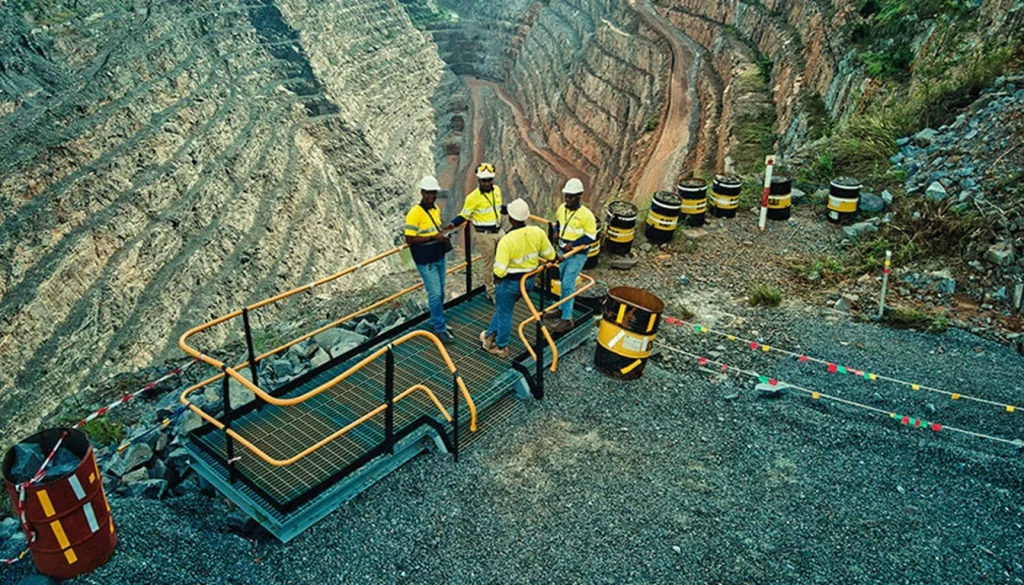
Capturing value is not only about factories. It also comes down to the contracts signed at the start. Many countries have granted generous tax breaks and long-term agreements in earlier boom cycles, then watched profits flow abroad. Greater transparency on contracts, royalties and ownership is now a major demand from civil society and from some governments.
Some are asking for state or local stakes in new projects. Others are strengthening national geological surveys, since a government that knows what it owns negotiates from a stronger position. Local content rules, which require mining firms to buy goods and services from domestic suppliers, can also keep more money circulating at home.
Connecting Minerals to Africa Industrialisation
The real prize is bigger than a few refineries. Africa industrialisation has stalled for decades partly because the continent supplied raw inputs while importing nearly everything made from them. Battery manufacturing, renewable energy equipment and electric vehicle assembly could change that, if African countries can anchor part of these industries on home soil.
Realistically, no single country will do it all. Congo has cobalt, Zambia has copper and power potential, South Africa has industrial depth, and Morocco is already building a battery and automotive base. Cooperation across borders may turn out to be the smartest strategy.
So, Can Africa Capture More Value?
Yes, but not automatically. Africa’s Critical Minerals give the continent leverage that it has not had in a generation, and the window will not stay open forever. Other regions are racing to build their own supply chains, and new technologies could reduce the demand for some metals.
The countries most likely to benefit will be those that combine firm but predictable policy with reliable power, working infrastructure, skilled workers and honest contracts. Those that rely on slogans alone risk repeating history.
The question is no longer whether the world needs African minerals. It plainly does. The question is whether Africans will finally decide the terms on which those minerals are sold, processed and turned into the products of tomorrow.
Read More
Critical Minerals Value Chains: Development Banks Bet Big on Africa Making More Than Raw Ore
Where Are the Jobs? Guterres Calls for a New Mining Model as Demand Increases for Critical Minerals
Africa’s Critical Minerals Race: New Copper, Lithium, and Graphite Deals Signed This Week
