
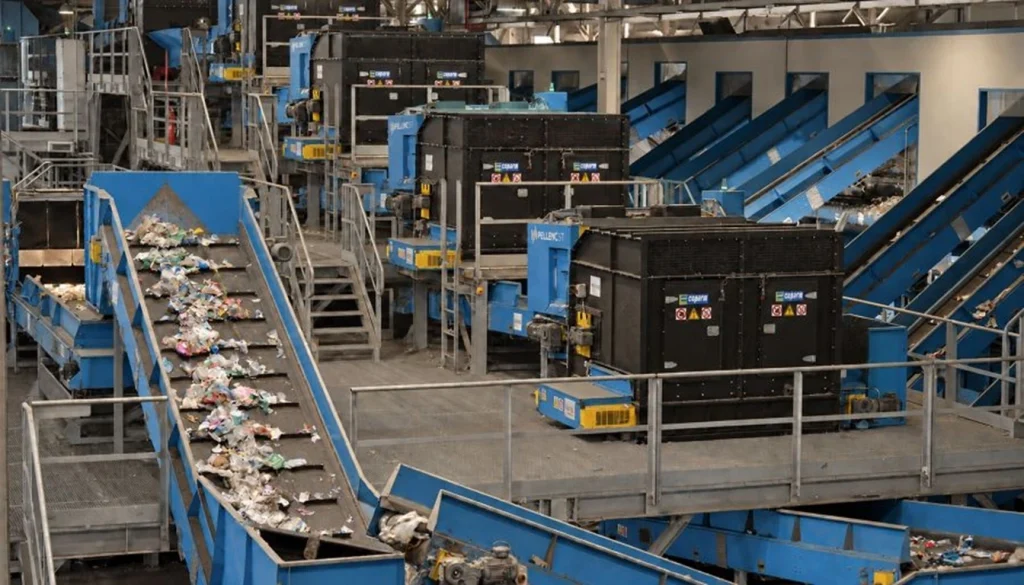
Walk through any major African city at dawn and you will see an economy already at work. Waste-to-Wealth in Africa is not a slogan invented for conference stages. It is the woman sorting plastic bottles at a dumpsite in Nairobi, the young man pushing a cart of scrap metal through Lagos traffic, and the entrepreneur who turns discarded packaging into paving bricks. The talent and the hustle are real. So why does the African recycling industry still look more like a patchwork of small hustles than a serious sector?
The Hustle Is Real, but the Industry Is Missing
Over the past decade, recycling startups have multiplied across the continent. In Kenya, Gjenge Makers made headlines by turning plastic waste into building blocks. In Nigeria, firms such as Wecyclers built household collection models that reward families for sorting their recyclables. In Ghana and Rwanda, small plants shred, wash and pelletise plastics for resale.
These businesses prove that the idea works. But most of them remain small, dependent on grants, and vulnerable to a single bad season. A business that survives is not the same as an industry that employs hundreds of thousands, attracts pension fund money and supplies factories at scale. We keep celebrating the first and confusing it with the second.
A Mountain of Waste Nobody Is Collecting
The raw material is not the problem. The World Bank has estimated that Sub-Saharan Africa generated around 174 million tonnes of waste in 2016 and that this could roughly triple by 2050 as cities grow. Yet in many cities, only about half of the waste is collected, and a large share of what is collected ends up in open dumps rather than in any recovery system.
This is where waste management in Africa quietly breaks the recycling story. Recyclers need a steady, predictable flow of clean, sorted material. What they often get is mixed, wet, contaminated waste that arrives late or not at all. A factory cannot plan production around a rumour of plastic. When collection is unreliable, the cost of every recycled tonne rises before a single machine switches on.
Why the Money Stays Away
Ask founders what holds them back and the answer is usually the same: finance. Recycling plants need machines, trucks, warehouses and working capital long before the first invoice is paid. Banks see an unfamiliar sector with thin margins and informal suppliers, so they either refuse to lend or charge interest rates that no small recycler can survive.
Then there is the price problem. Virgin plastic, especially imported, is frequently cheaper than recycled material, partly because oil-linked prices swing and partly because recyclers carry costs that polluters never pay. When the cheaper option is also the more polluting one, the market is not failing by accident. It is sending the wrong signal. Until that signal changes, waste-to-wealth businesses will keep competing with one hand tied behind their backs.
The Informal Workers Hold It All Together
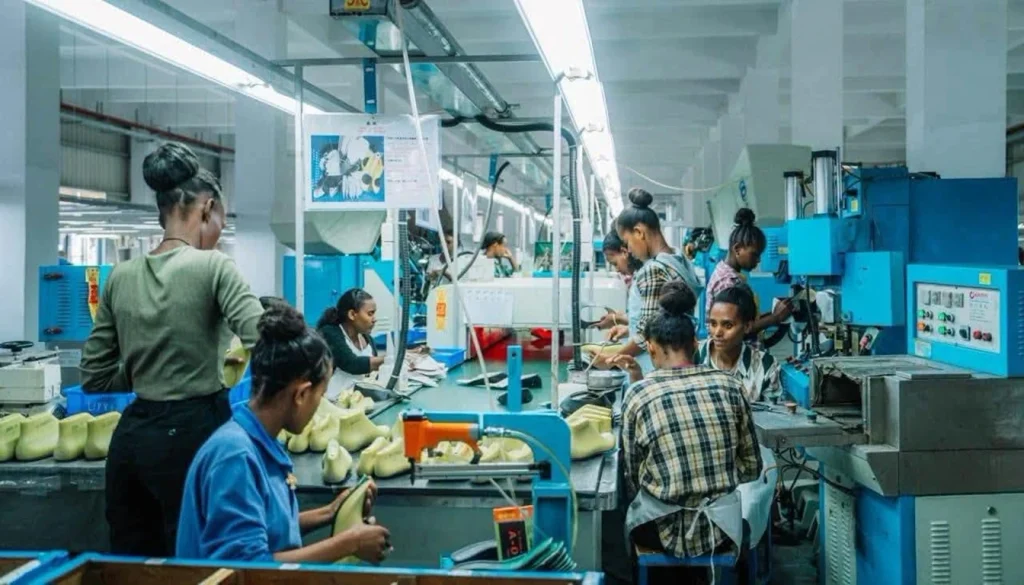
Here is the part of the story that rarely makes the brochures. Across the continent, the backbone of recycling is the informal worker: the waste picker, the scrap dealer, the neighbourhood buyer who weighs bottles on a rusty scale. In Cairo, the zabbaleen community has sorted the city’s waste for generations. In Lagos, Accra and Nairobi, thousands of pickers recover materials that the formal system never reaches.
These workers do the hardest job in the value chain, often without protective equipment, fair prices or legal recognition. City authorities too often treat them as a nuisance to be cleared rather than as partners to be trained and paid. Any plan for a serious African recycling industry that bypasses them will fail on the ground, and it will deserve to. Real scale means formalising their work, not replacing them.
Policy Is Moving, but Enforcement Is Not
To be fair, governments are waking up. Rwanda’s early ban on plastic bags remains one of the continent’s most cited successes. Kenya and Nigeria have introduced or announced extended producer responsibility rules, which make manufacturers share the cost of dealing with their packaging after use. On paper, this is exactly the shift that circular economy Africa advocates have been demanding.
The trouble is the gap between the paper and the pavement. Rules without inspectors, penalties or clear reporting systems become polite suggestions. Producers can wait out weak enforcement, and recyclers are left holding the risk. A good law that nobody enforces is, in practice, a subsidy for those who ignore it.
What Would Actually Change the Game
Scale will not arrive through one big announcement. It will come from a handful of unglamorous fixes done consistently.
First, cities must treat collection and sorting as basic infrastructure, the way they treat roads and water. Separation at source, even in a few pilot districts, would sharply improve the quality of material reaching recyclers.
Second, finance has to fit the sector. Blended funds, patient loans and equipment leasing can help recycling startups buy machinery without drowning in debt. Development banks and local pension funds should be looking here, not just at the next fintech.
Third, demand must be guaranteed. When governments and large companies commit to buying products made with recycled content, factories can plan, hire and expand. Predictable buyers make bankable businesses.
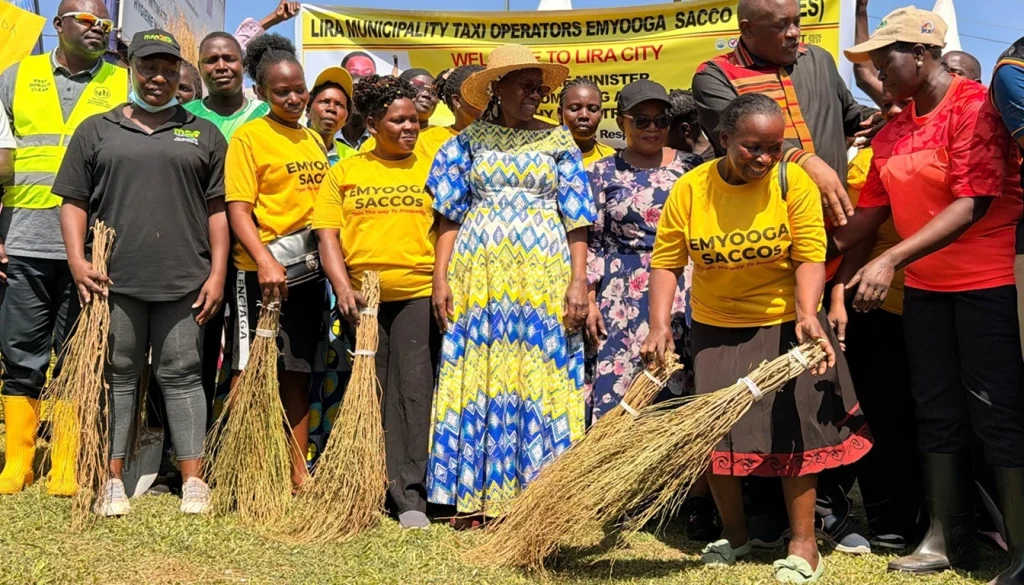
Fourth, informal workers need a seat at the table, with registration, safety gear, fair pricing and a share of the value they create.
Finally, extended producer responsibility must be enforced, with clear targets and visible consequences. Sustainable waste management only becomes profitable when pollution stops being free.
The Opportunity We Cannot Afford to Waste
There is a tempting story that Africa will simply leapfrog its way to a clean, circular economy the way it did with mobile phones. It is a nice story, but waste is not a phone. It needs trucks, people, rules and patient money.
Still, the upside is enormous. A functioning recycling sector would create jobs for young people, cut the cost of imported raw materials, clean up streets and rivers, and reduce the health burden that comes with open burning and clogged drains. Few industries offer that mix of economic and social returns.
The entrepreneurs have shown they can build. Now governments, banks and big brands must show they can back them. Until they do, Africa will keep admiring its recycling heroes while the real industry waits, unbuilt, on the other side of the dump.
Read More
Africa’s Capital Opportunity: Key Takeaways from the 2026 Egypt Business Summit
Business Grants for African Entrepreneurs in 2026 and Other Options
U.S.-Africa Business Summit Wrap-Up in Mauritius: Investment Deals and Announcements to Know
Egypt Raises Household Electricity Prices: What the New Tariffs Mean for Consumers and Businesses
African Currencies Under Pressure: What Businesses and Importers Should Expect This Week
