
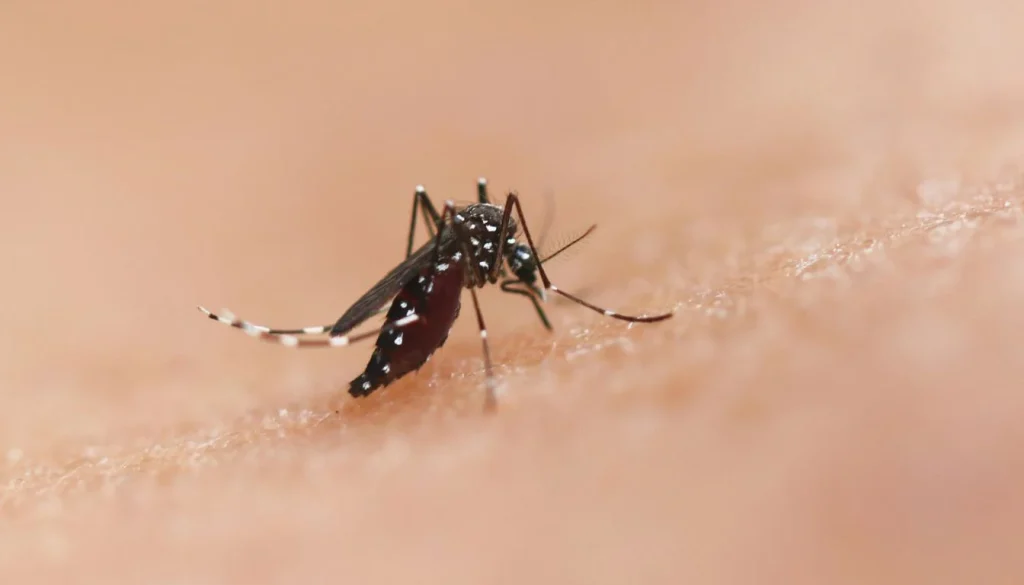
The malaria fight in Africa has taken a new twist owing to the invasion of Anopheles stephensi mosquitoes in Africa. This particular mosquito species hails from South Asia and the Middle East. Anopheles stephensi threatens Africa malaria, This is turning out to be a threat owing to its adaptability to urban areas, capability to withstand extreme weather conditions, and resistance to common pesticides.
Unlike other malaria vectors in Africa, Anopheles stephensi has adapted to the city environment and causes higher risks of malaria outbreaks in urban areas. Health authorities claim that over 126 million urban residents in Africa might be exposed more frequently if the species continues to spread.
Why Anopheles stephensi Mosquitoes Are Different from Other Malaria Mosquitoes
The majority of malaria mosquitoes found in Africa usually inhabit natural pools of water, including ponds, puddles, and swamps.
Anopheles stephensi has a different characteristic.
It breeds in artificial water sources such as:
- Water tanks
- Gutters on roofs
- Containers
- Construction sites
- Old tyres
- Plastic containers
The sources of breeding are more prevalent in fast-growing cities that lack dependable water supply and, therefore, need to store water.
As a result, it becomes difficult to use traditional methods for controlling malaria.
Year-Round Threat of Malaria
Another big problem with the species of mosquitoes is their ability to survive during the hot and dry season.
Most native African mosquito species show a decline in numbers when not in the rainy season. On the other hand, Anopheles stephensi can keep breeding all year round because of its ability to breed in stored water sources in urban areas.
As a consequence, the spread of malaria would become year-round instead of being seasonal in some African cities.
Developing Resistance Against Common Insecticides
Another serious worry among public health officials is the ability of the mosquito to develop resistance against several insecticides used to control malaria.
According to some research findings, there is evidence that Anopheles stephensi has developed resistance against various chemical compounds in:
- Insecticide-treated bed nets
- Indoor residual spray
- Routine mosquito control program
This might result in reduced efficacy of current malaria prevention mechanisms and calls for new measures from health authorities in vector management and enhanced surveillance.
Adaptive Feeding Patterns Complicate Mosquito Management
Unlike most African malaria vectors that tend to feed mostly on humans indoors during nighttime, Anopheles stephensi exhibits highly adaptive feeding patterns.
It can:
- Bite both indoors and outdoors
- Feed on both humans and livestock
- Adapt to changing environmental factors
These characteristics make its management more complicated than through traditional methods of management that are only based on indoor mosquito exposure.
Urban Malaria Outbreaks Cause Alarming Concerns
So far, the expansion of Anopheles stephensi has been associated with major malaria outbreaks in places like Djibouti and Ethiopia, where urban epidemics were rare.
Health specialists have warned that the fast-expanding African urban centers will turn into malaria hubs due to the increasing prevalence of the mosquito.
The urban population is viewed to be particularly vulnerable since many of them do not have any experience with malaria and hence have relatively low immunity against the disease compared to rural populations.
Implications of These Findings for Africa’s Fight Against Malaria
The appearance of Anopheles stephensi will have implications for the current approach to malaria control in that it is now necessary to change tactics and pay more attention to:
- Mosquito surveillance in urban areas
- Proper management of water reservoirs
- Community campaigns aimed at improving sanitation
- Insecticide methods
- Systems for early outbreak detection
Health experts note that it is crucial to adapt quickly in order to prevent future malaria epidemics among urban populations on the continent.
Conclusion – Anopheles stephensi threatens Africa malaria
The expansion of the habitat of Anopheles stephensi can be considered one of the greatest challenges for Africa’s malaria control program in recent years. The ability of this species to exist in urbanized environments, reproduce year-round, and withstand commonly used insecticides poses serious risks to all achievements in fighting the disease.
Top Picks For You
What makes Africa ideal for nomads?
Explore the best African cities offering remote work freedom, affordability, and vibrant digital nomad communities.
Which jobs pay highest in Zimbabwe?
Discover top-paying careers in Zimbabwe and check salary trends shaping opportunities in 2025.
Where to find Lagos work-friendly cafés?
Check out Lagos coffee spots perfect for Wi-Fi, productivity, and a great remote work vibe.
How is Africa reshaping global technology?
Explore how innovation and digital growth are changing Africa’s global image and tech landscape.
Why is Nigeria boosting tech jobs?
Discover how Nigeria plans to create millions of digital jobs and explore future opportunities.
