
Anyone who has watched a diesel generator roar through a mine’s fuel budget knows what unreliable power costs. According to a Trafigura executive, a new Congo miners power project $1 billion annual savings estimate could soon be within reach for the copper and cobalt belt.
The line behind the number
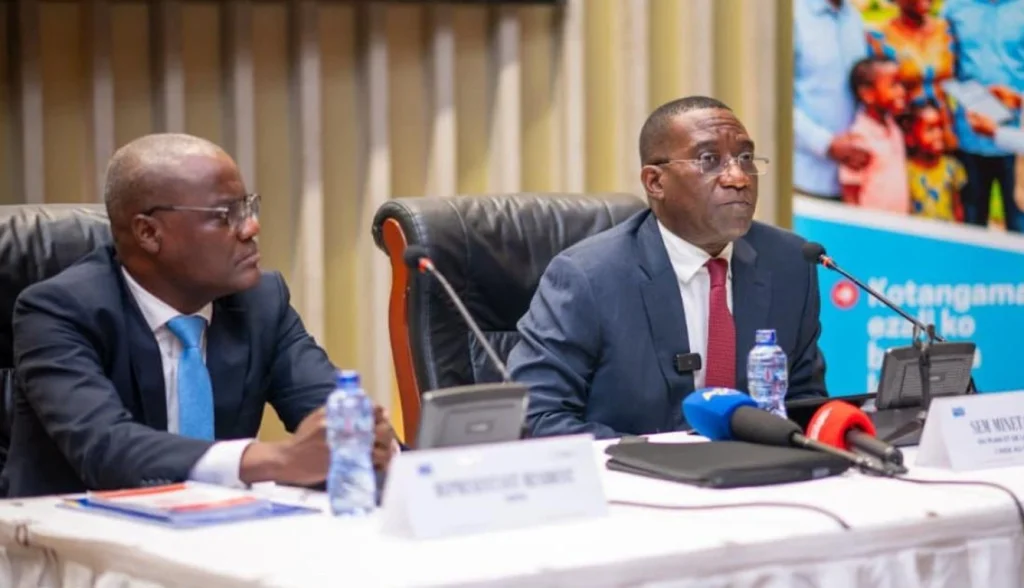
On 7 October in Kinshasa, the Strategic Investment Fund of the DRC, EnPower, Trafigura and Gridworks signed a framework agreement to finance, build and run a 200km high-voltage line. It will run from Kalumbila in Zambia to Kolwezi in Congo. The price tag is about $300 million, and the line is designed to carry up to 700 megawatts into Katanga’s mining and industrial centres.
Trafigura will arrange a significant share of the debt financing. EnPower, a licensed Congolese power trader, is the developer. Gridworks is owned and funded by British International Investment.
Why miners care
Across the region, mines have long leaned on diesel generators, and diesel is expensive. Cheaper grid power could change the economics of every tonne of copper and cobalt pulled from the ground. The project’s backers say it will also help restart mining and refining projects currently on hold for lack of affordable baseload power.
The $1 billion figure is a Trafigura executive’s estimate, so treat it as a projection until the line is humming.
What it means beyond the mines
There is a regional angle too. The link strengthens Congo’s connection to the Southern African Power Pool, so electricity can be traded across borders. Licensed Zambian producers get a new route to sell their power.
For ordinary Congolese, the hope is that cheaper industrial power means more skilled jobs and more tax revenue. The project’s backers say it will deliver both. Whether it reaches nearby towns and villages, which still struggle with blackouts, depends on what happens after the ribbon is cut.
Mining power deals have stalled before, and Trafigura has walked away from at least one regional power project. Delivery will decide whether this one becomes a template for Africa or just another headline.
Read More
Where Are the Jobs? Guterres Calls for a New Mining Model as Demand Increases for Critical Minerals
