
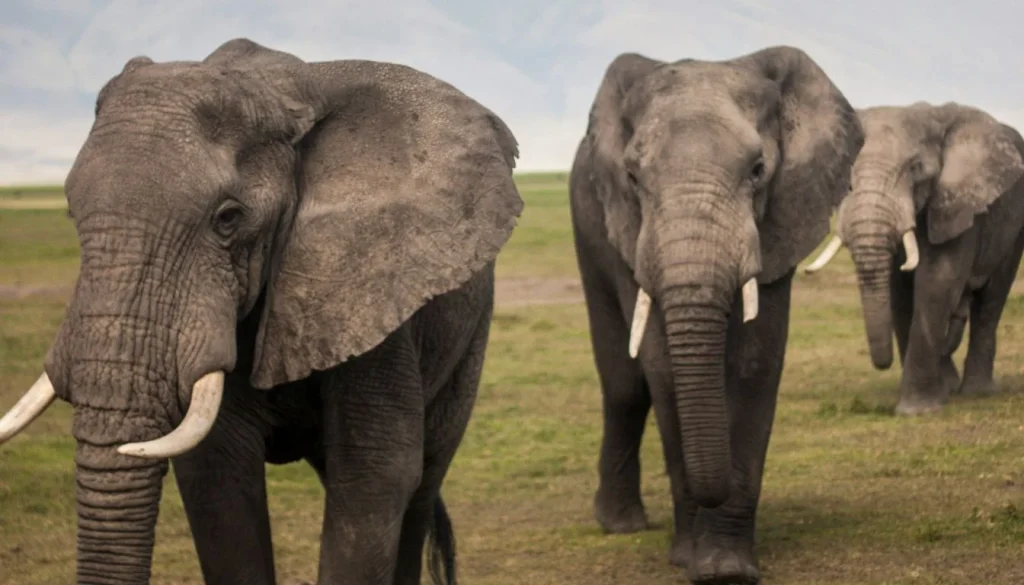
Elephant Deaths in Kenya, near Amboseli National Park in Kenya are under investigation by the Kenya Wildlife Service (KWS), which found traces of cyanide in the animals, suggesting that the cause could be pesticide poisoning. KWS believes that the elephants consumed pesticides in the crops on the farms they were feeding from.
While there are suspicions that the poisoning of the elephants is related to pesticides, investigators have yet to find out whether the deaths happened by accident or intentionally. At the same time, conservationists have some doubts regarding the matter and ask for further investigation.
15 Elephants Found Dead Near Amboseli National Park
These deaths happened over the period of one month in the area of Amboseli National Park.
Based on KWS, it was stated that the elephant carcasses were identified by the field teams through monitoring activities.
It was observed that the majority of the dead elephants showed partial paralysis before death, with all of them having died two days after exhibiting symptoms.
Analysis of the samples taken from the stomachs of the elephants showed traces of cyanide.
Investigators Suspect Poisoning Through Contamination of Food Crops
The wildlife authorities suspect that the elephants might have ventured into nearby farmlands in search of food, then eaten crops that have been sprayed with pesticides that have cyanide components.
The farms involved are known to grow crops like tomatoes, among others, that have been sprayed with chemicals for protection against pests and animal damage.
The chemicals may have been applied as a result of usual application or for other purposes that need investigation.
There has been no conclusion as to how the poisoning of the animals occurred.
Experts Ask Questions About the Investigation
While the cyanide theory has gained prominence as the prime cause of the deaths of the elephants, some wildlife experts have raised questions about the process of investigation.
According to conservationists, it is more common for adult male elephants to be the perpetrators in these attacks since they can travel alone and take bigger risks when looking for food sources.
However, what is even more intriguing is the fact that investigators determined that 14 out of 15 elephants were female and juvenile.
Why Were Other Wildlife Species Not Affected?
Another question raised by the experts in the research was why only the elephants were affected.
The farms surrounding the Amboseli reserve attract other herbivorous animals like zebras and antelopes as well as crop-raiding wildlife.
With contaminated crops available to them, experts cannot understand why there were no casualties among the other wildlife species.
Further investigations will focus on whether the poisoning was a result of exposure to something else in the environment.
Question Marks Over Whether the Dose Was Enough
Toxicology experts also questioned whether the pesticide-treated crops could have had a lethal dose of cyanide to kill multiple elephants.
Since the elephants are very large animals, according to the researchers, it would require them to eat a lot of contaminated crops in order to be fatally poisoned.
Additional testing will help determine any additional toxins or contributing causes.
Human-Wildlife Conflicts Are Also Becoming an Increasing Issue
This incident highlights the issue of human-wildlife conflict that is becoming increasingly prevalent in Kenya.
With agriculture encroaching upon the habitats of the wild animals, the elephants enter farms to find food sources, leading to crop damage and human-animal conflict.
Different organizations engage in resolving the problem using better fences, early warning systems, wildlife corridors, and wildlife conservation projects.
Conclusion – Elephant Deaths in Kenya
The death of fifteen elephants around Amboseli National Park has raised concerns among conservationists and wildlife experts. Although preliminary results indicate that cyanide poisoning due to the pesticides used on the crops may be the reason, much is yet to be clarified. The results of the investigations will impact future wildlife conservation efforts and pesticide usage in Kenya.
More Stories You Shouldn’t Miss
What drives Lagos fintech billions growth?
Explore why Lagos fintech startups are attracting massive global investments and shaping Africa’s financial future.
Which mobile wallets rival M-Pesa Africa?
Discover the top M-Pesa alternatives leading Africa’s mobile wallet wars in 2026 and beyond.
How FLEX zero fee payments impact?
Check how FLEX is transforming Nigeria’s mobile payments with zero fees and disrupting traditional systems.
Which African businesses deliver highest profits?
Explore the most profitable business opportunities across Africa for entrepreneurs and investors today.
Who are South Africa’s youngest entrepreneurs?
Discover the top young entrepreneurs in South Africa making waves and redefining success early.
