
Nigeria’s biggest threat to its future may be sitting at home rather than in a classroom. Nigerian children out of school now number around 18.3 million, according to UNICEF, the largest total of any country in the world. Only about 63 percent of primary-age children attend regularly.
Fear Has Entered the Classroom
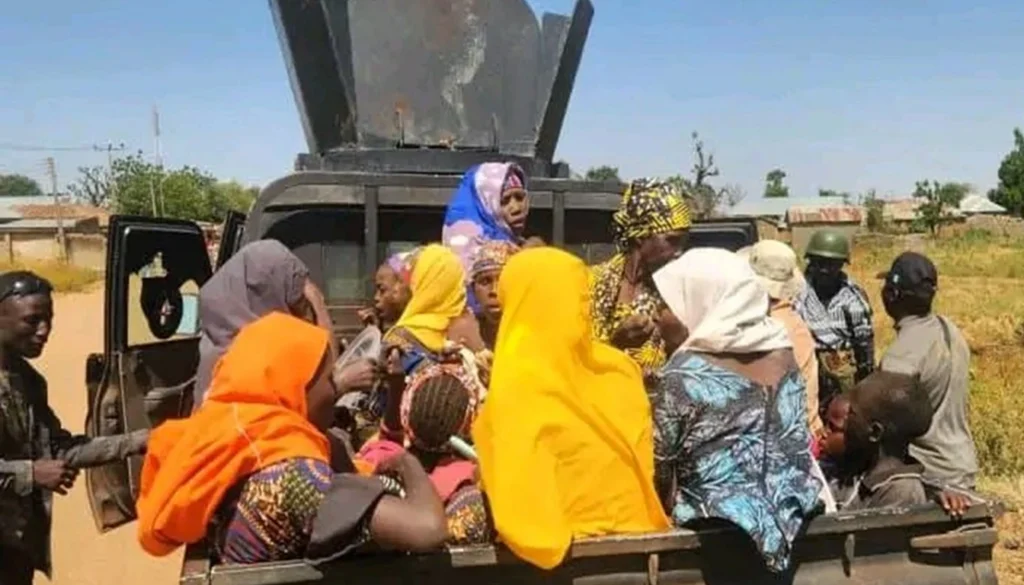
Since Boko Haram seized 276 schoolgirls in Chibok in 2014, criminal gangs have copied the tactic of mass school abductions to demand ransoms. For many parents the maths is brutal. Chibok campaigner Allen Manasseh has said children are being forced to choose between going to school and staying alive.
Families who cannot pay often turn to social media fundraising, loans or selling possessions. This is despite a 2022 law that allows up to 15 years in jail for paying a ransom.
Girls Pay the Highest Price
Girls are hit hardest. Where schools close or feel unsafe, early marriage becomes more likely. In Nigeria’s northwest and northeast, just over half of women aged 20 to 24 were married before turning 18, according to Girls Not Brides. Families under financial strain may also see a daughter’s marriage as one less mouth to feed.
Poverty and the Map of Exclusion
The crisis follows the map of hardship. UNICEF-cited figures show Kebbi, Sokoto and Yobe with the highest shares of out-of-school children, with Kebbi at 67.6 percent. Overstretched schools add to the problem: primary classes can hold 55 pupils per teacher, and half of basic education teachers lack the minimum teaching qualification.
A Risk Beyond the Classroom
Experts warn that idle, hungry children are easier targets for recruitment by armed groups. A generation without schooling also means fewer nurses, engineers and entrepreneurs for Africa’s most populous nation.
There are no quick fixes. Safer schools, better funding, community trust and support for poor families all need to work together. Until they do, the empty desks will keep adding up.
Read More
Africa’s Digital Transformation Is Being Built on Partnerships, Not Going It Alone
Zambia Copper Boom: Billions Pour In, but Do Ordinary Zambians Feel It?
Cape Verde Presidential Election: Islands Vote as First Woman Challenges the Incumbent
Vinicius Jr Sudan: A Football Star’s Message Lifts a Boy Who Lost His Legs
