
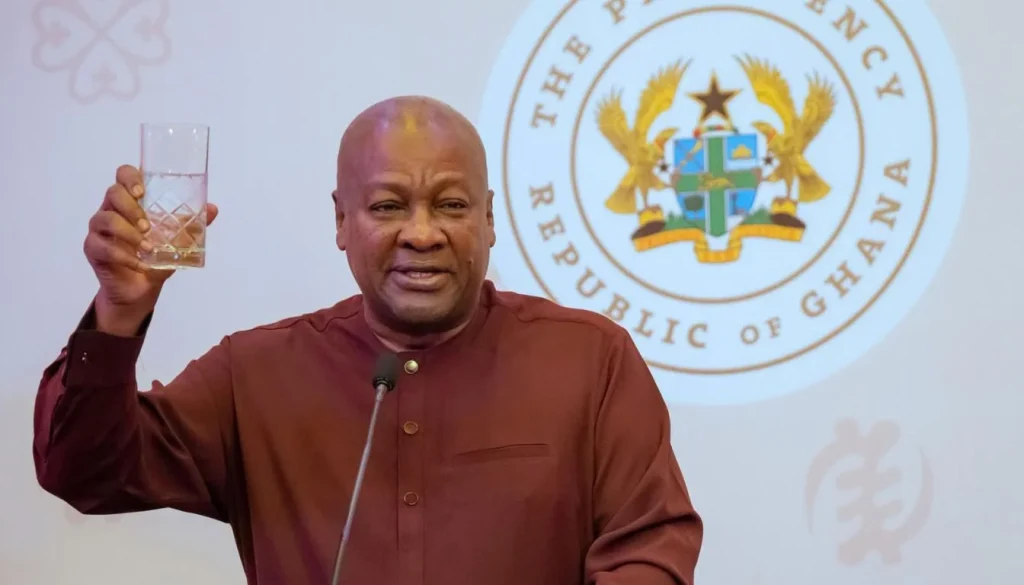
Ghana will soon experience the biggest constitutional reforms since the inception of its 1992 Constitution because the government has already endorsed some of the recommendations made.
Ghana Constitutional Reforms, Some of the most important ones are the extension of the presidential term to five years, reduction of the minimum age for presidential candidates, and alteration of election dates. These reforms aim to give future governments enough time to implement their policies while enhancing the whole process of elections.
Despite being endorsed by the government, the new constitutional reforms need to be passed by Parliament and, in some instances, be approved by Ghanaian citizens in a national referendum.
Ghana Proposes Five-Year Presidential Terms
According to Attorney General and Minister for Justice Dominic Ayine, the government has accepted a recommendation to increase the presidential term from four years to five.
In addition, the amendment extends the period of parliament from four years to five so that both arms of government can run concurrently.
According to the government, the existing four-year cycle does not give the government enough time to make changes.
It is asserted that the government spends the first year after being elected getting acquainted with the affairs of governance and the last year preparing for the next elections.
It is argued that the government will be able to work longer before going into electioneering by making changes to the constitution.
Minimum Age Reduced to Contest Presidency
The other recommendation made by the constitutional review committee was on lowering the minimum age to contest the presidency.
Whereas the committee proposed reducing the age to thirty, the government settled for a minimum age of thirty-five years.
Proponents argue that it will make young people participate in politics and enable younger leaders to contest for the highest office.
In case of adoption of the recommendation, Ghana will become one of the African countries that have lowered the age to increase political participation of the young.
New Dates for Holding Elections
The final proposal is the adjustment of the date when the general elections in Ghana will be held.
While currently presidential and parliamentary elections are held in December, the government suggests that from now on the process should be moved to the first week of November.
Such a step is supposed to ensure that there is more time available for administrative preparations and resolving disputes before the inauguration of a new president, set for January 7.
This is supposed to improve election stability and reduce the pressure from the existing transition process.
What Will Follow? – Ghana Constitutional Reforms
The accepted proposals will not enter into force right away.
The government will set up another committee tasked with developing two constitutional amendment bills, scheduled to be completed in October 2026.
Further, the draft amendments will go through the process of approval in Parliament.
There are some changes to be approved via the national referendum according to the Ghanaian Constitution.
For the referendum to pass, at least 40% of all the voters must vote in favor, while 75% of all the voters who attended the referendum should accept the changes.
Importance of the Proposed Reforms
The proposed amendments, should they pass, will mark some of the most important political reforms in Ghana in three decades.
It is argued that longer periods in office will help with policy continuity and eliminate disruptions associated with constant election cycles, as well as giving governments more time to fulfill their promises to the electorate.
The decrease in the age requirement for running for the presidency may allow for greater political engagement by making it possible for younger politicians to vie for leadership positions in the country.
Nonetheless, the proposed reforms are likely to start a national discussion regarding good governance and democratic accountability.
As constitutional amendment laws are anticipated to be introduced this year, while the referendum is scheduled for 2027, the citizens of Ghana will make the last decision about these amendments.
Discover More Insights
Why South Africa Faces Record Joblessness?
Explore how South Africa’s unemployment crisis is hitting record highs and what it means for the country’s economic future.
Why Ghana Youth Reject Free Rice?
Discover why Ghana’s youth are rejecting aid and demanding sustainable job opportunities instead.
Which Freelancing Platforms Work Best Africa?
Check the top freelancing platforms offering real income opportunities for Africans in 2026.
Why Africa’s Middle Class Still Struggles?
Explore how economic growth is failing to deliver stability for Africa’s expanding middle class.
How Nigerians Can Earn Dollars Online?
Discover practical ways Nigerians are earning in dollars and boosting their income in today’s digital economy.
