
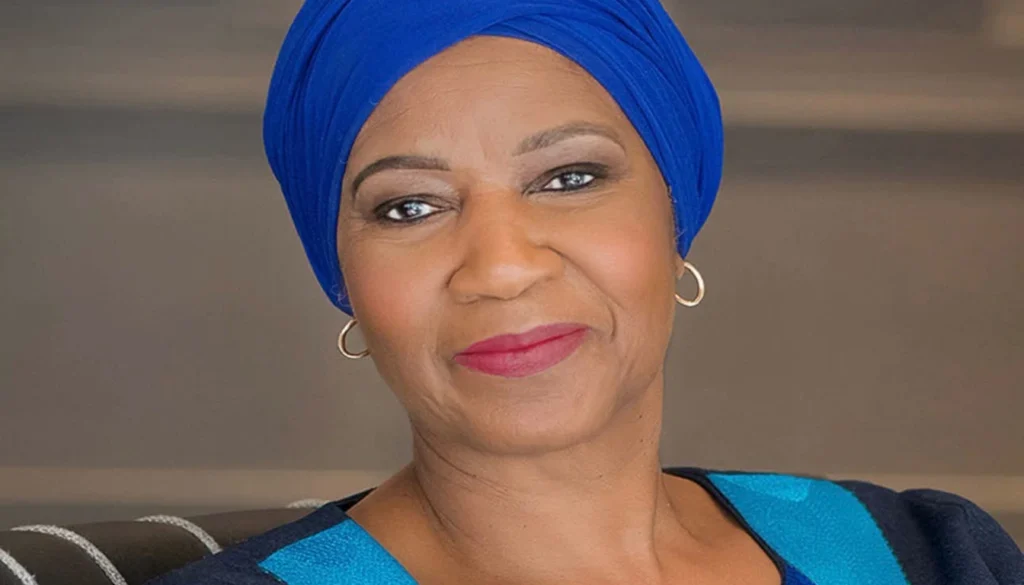
Tributes are pouring in across the continent and beyond. The news that South Africa first female deputy president Phumzile Mlambo-Ngcuka has died aged 71 has left many women, in particular, feeling they have lost a mentor and a champion. Her family said she passed away on Friday after complications from a medical procedure she underwent about two weeks earlier.
A Career of Firsts
Mlambo-Ngcuka served as deputy president from 2005 to 2008. Before that, she worked as minerals and energy minister. Her service did not stop at home. She later became a United Nations under-secretary-general and led UN Women, the agency for gender equality, from 2013 to 2021. She was widely praised for decades of work on social justice and women’s rights.
“She Flew the Flag of Women”
President Cyril Ramaphosa said South Africa had lost a very dynamic woman leader, and that she flew the flag for women not only in South Africa and Africa but around the world. UN Secretary-General Antonio Guterres called her a lifelong champion of the rights and empowerment of women and girls. He added that she believed gender equality is a right to be claimed, not a favour to be granted.
UN Women paid tribute to her courage and leadership. Parliamentary officials, unions and political parties in South Africa also sent condolences.
A Voice for Women Beyond Borders
UN Deputy Secretary-General Amina Mohammed recalled how Mlambo-Ngcuka spoke up for women and girls in Afghanistan, the Democratic Republic of Congo and Nigeria. She said Mlambo-Ngcuka pushed the limits and gave others the confidence to do the same. That is perhaps the clearest measure of her legacy. Young women who grew up seeing a woman as the country’s deputy president now work in boardrooms, parliaments and classrooms across Africa.
Her death comes at a time when debates over equality and women’s safety remain urgent across the continent. The best tribute may be the one her own words suggest: treating the rights of women and girls as something to be claimed and defended, not requested.
Read More
Lina Attalah Trial Suspended: What It Means for Press Freedom Across Africa
IMF Egypt Agreement Unlocks $2.3bn: What It Means for Cairo’s Economy
Mozambique Opposition Leader Venâncio Mondlane Faces Terrorism Trial: What Is at Stake?
Lobito Corridor: Can a US-Backed Mineral Highway Bring Peace to DR Congo?
AFCON Qualifiers: Senegal and Morocco Book Their Tickets While Tunisia Cry Foul
