
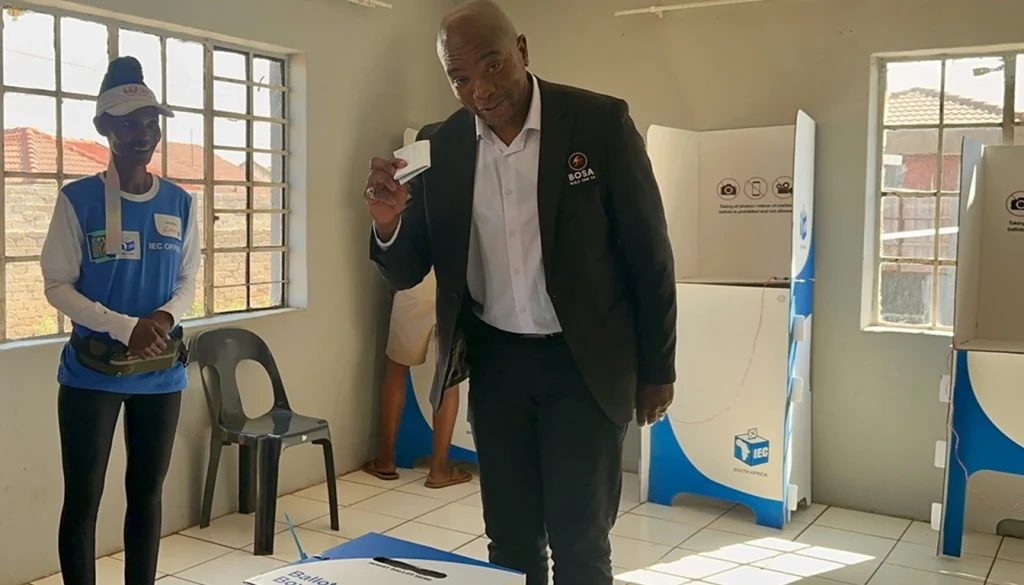
Millions of South Africans vote today with one question on their minds: where is the water? The South Africa local polls on Wednesday, 4 November, are being decided less by big ideas and more by taps, electricity and rubbish collection.
Johannesburg runs dry
Parts of Johannesburg, home to roughly five million people, have had severe outages and low pressure since 19 October. Mayor Dada Morero admitted that taps have been dry for at least 10 days in some areas. He blamed high consumption and leaks in an ageing system that will cost billions of rands to fix, and said storage had recovered to 41 percent by Monday.
Gauteng premier Panyaza Lesufi offered a different explanation, saying reserves fell unexpectedly after high temperatures and linked the shortage to El Niño. He admitted officials were “caught off guard.”
A South African Human Rights Commission inquiry released Monday found that nearly 45 percent of the water in Johannesburg’s pipes is lost to poor infrastructure. It also flagged weak financial management and too few qualified engineers in several Gauteng municipalities.
Not just Johannesburg
The anger has spread. Durban has reported long water shortages. About two weeks ago, residents in parts of Tshwane, which includes Pretoria, were told to stop drinking tap water after around 800 people fell ill. Protests have broken out in several areas in the run-up to the vote.
If you live in a South African city, none of this is abstract. It means buying bottled water, queuing at tankers and planning your day around when the supply returns.
What is at stake for the ANC
Voters will elect councillors, who then choose the mayors who run these services. The African National Congress, the biggest party in the national unity government, is expected to lose more ground. This vote is a measure of its standing before the 2029 national elections.
Watch the metros closely. Johannesburg, Tshwane and Durban all face voters who feel let down, and coalition talks could stretch for days after the count. Many people say they will judge candidates less on promises than on whether water comes out of the tap.
Whoever wins will inherit a hard job. Repairing pipes and hiring engineers is slow work, and residents have heard plenty of promises. Many are voting for the party they think can finally turn the water back on.
Read More
South Africa Elections: A Splintering Vote Turns City Halls into Coalition Battlegrounds
US Trade Deal Shuts Out South Africa and Rwanda: What It Means for Africa
Tanzania Election Violence: A Wound That Refuses to Close
Mozambique’s LNG Revival Gets Boost from ExxonMobil as It Awards $1.1 Billion in Contracts
