
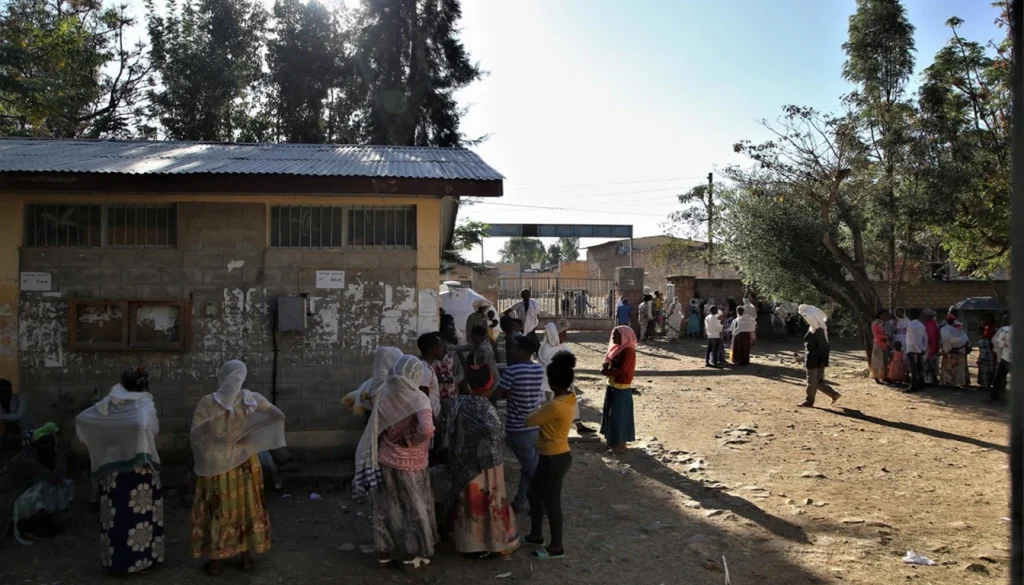
In Abi Adi, a former high school no longer rings with the sounds of lessons. Tigray Displacement has turned classrooms into homes, where mattresses and cooking pots have replaced desks. What was meant to be a temporary shelter for families from Western Tigray has become the place where their children are growing up.
Years of Waiting
Tewolde, who fled Setit Humera, says his family expected to stay for a few months. Years later, they are still there. “Our children are growing up in this school,” he told Al Jazeera. Families report shortages of food, clean water and medicine, and overcrowding is hardest on children, older people and the chronically ill. Selass, a mother of two from Humera, says clinics often lack the medicines her children need, and she cannot afford them at private pharmacies.
A Peace Deal Under Strain
The Pretoria agreement, signed in November 2022, ended two years of war that killed an estimated 500,000 people. But it left the hardest questions open, especially who controls Western Tigray, where Amhara forces took over during the war. The return of displaced Tigrayans has remained one of the most disputed issues.
Fighting flared again on September 22, 2026. Tigrayan forces seized Mekelle’s airport, but federal troops retook the city on October 4. Fighting continued elsewhere. The federal government then set up a six-month caretaker administration. Human Rights Watch and other groups have warned that the violence could unravel the peace deal, citing drone strikes and shelling near camps for displaced people.
Hospitals and Former Fighters
The crisis is also hitting health care. Doctors at Ayder Referral Hospital in Mekelle say they lack essential medicines, so patients must buy drugs elsewhere, often at prices they cannot meet.
Meanwhile, about 5,500 former Tigrayan fighters are in a rehabilitation programme in Mekelle. Alem, 28, says she wants a future, a family and a life without war. Yet the UN human rights chief has condemned reports of forced recruitment, including of children, and renewed fighting threatens to undo the programme.
For Selass, the wish is simple. After surviving one war and losing almost everything, she wants her children spared another, and she wants to go home and live normally.
Read More
Ethiopians Flee to Kenya: 50,000 Cross the Border as Moyale Burns
Tunisian Boatbuilders Sail Into Global Luxury Yacht Market
Ramla Ali’s World Boxing Title: Tears, Triumph and a Nation’s Pride
Harare Demolitions Leave Families Homeless After Years of Saving
Senegal Migrant Boat Tragedy: Another Atlantic Crossing Ends in Mourning
