
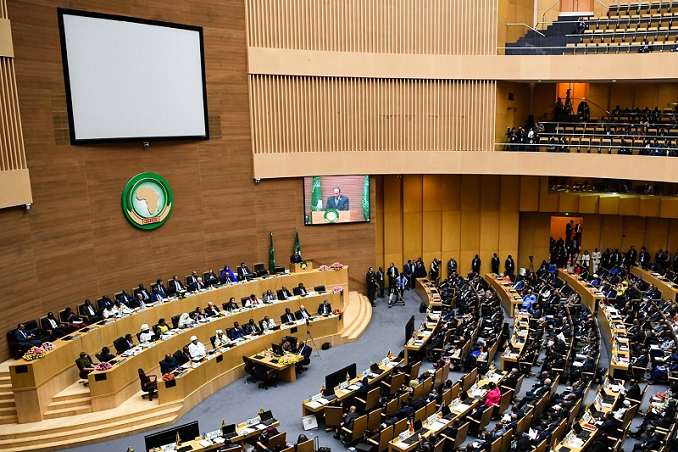
Despite Tunisia seeing dark times, the African Union’s Peace and Security Council has added the country into its list of patrons. The country has been burning over oil price rise and bad governance. As the last remaining country in north Africa to have kept democracy intact a decade after the Arab Spring, Tunisia is facing huge existential political and constitutional crisis.
The situation has exasperated as its own President has suspended parliament and announced he would govern by decree. Now, a two-year term has come in its lap, the foreign ministry has confirmed. The recent voting happened on the sidelines of
the African Union Executive Council’s 40th ordinary session, which was held in the Ethiopian capital of Addis Ababa, according to the state’s news report.
Tunisian Foreign Minister Othman Jerandi was quoted as saying, “This election confirms the faith in Tunisia’s ability to engage effectively in the establishment of peace and security in the globe, particularly in Africa.” The African Union Executive Council began two-day deliberations on Wednesday under the topic “Building Nutritional Resilience on the African Continent: Accelerate Human Capital, Social, and Economic Development.”
Meanwhile, the country isn’t happy about their current President Kais Saied’s coming to power that has been termed as a ‘coup’ in no fewer terms. The trusted aid and media advisor Akacha recently quit within the administration after having given up after two years of struggle over ‘difference of opinion and fundamental understanding for the betterment of the country.’ She took to Facebook to declare her decision, without any further explanations are given.
Related Posts
Saied’s overall conduct is dictatorial and does not adhere to the long-standing desire for democracy in the nation. Many working in the government had quit when he came to power and were never reinstated too. The president decided to initiate an online public consultation before drafting a new constitution that he says will be put to a referendum but has not brought major political or civil society players into the process.
His conduct has not been appreciated in the West either. Major Western donors meanwhile say in private that Saied is unlikely to secure international help needed to finance the budget and debt repayments without a more inclusive political approach or broad agreement on economic reforms.
