
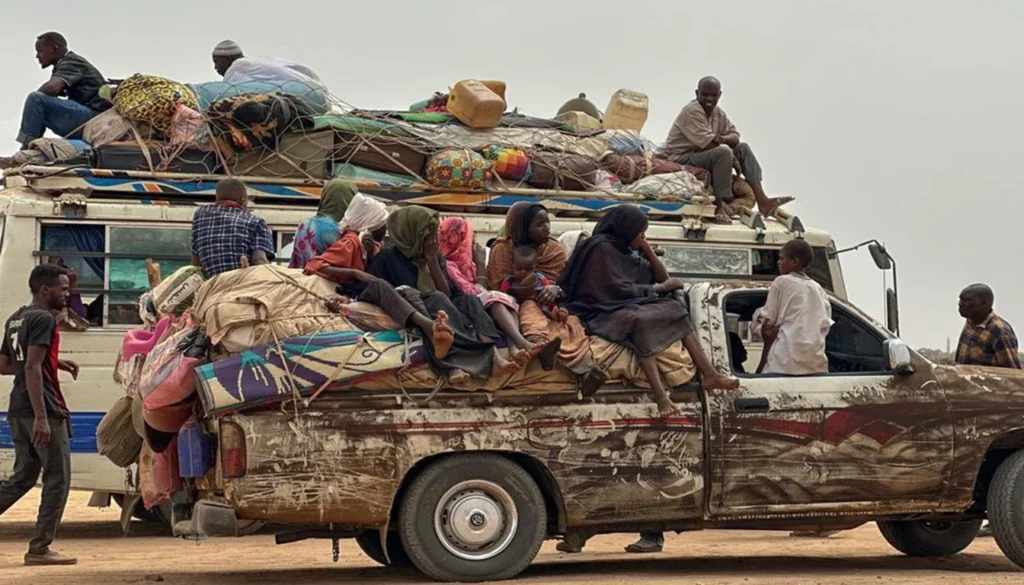
Sometimes, emergency relief is not enough! Sudan’s war has dragged on for years with no clear end in sight. The UAE humanitarian response to Sudan has grown with it, moving from emergency flights to hospitals, water wells and diplomacy. The Sudan humanitarian crisis now ranks among the world’s worst. Hunger has spread, clinics have shut and millions of people have fled their homes. Chad and South Sudan, both under strain themselves, have taken in many of the displaced. This article looks at how UAE humanitarian assistance fits into that picture, what the reported figures say and where the hard questions remain.
A $100 Million Pledge, Two Tracks
At the Paris Humanitarian Conference in April 2024, the UAE pledged $100 million. Of that, $70 million was earmarked for operations inside Sudan and $30 million for refugees in neighbouring countries. The split matters because UAE aid to Sudan cannot stop at the border. People who cross it still need food, treatment and shelter. Protracted crises in Sudan do not end when the headlines move on, and humanitarian support has to be planned for the long haul.
Food and Medicine by Air and Sea
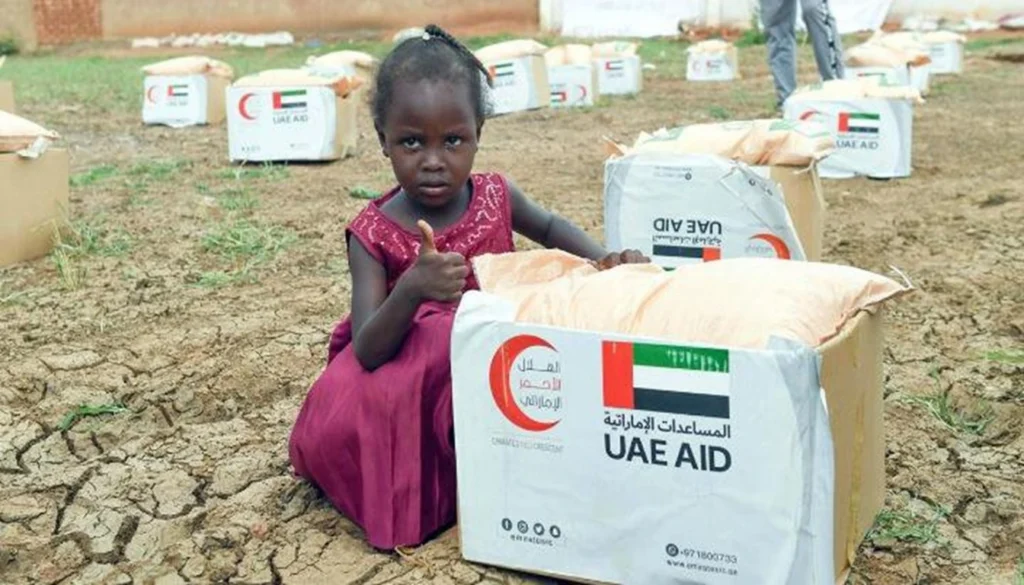
Sudan emergency relief starts with logistics. The UAE reports 159 relief flights carrying roughly 10,000 tonnes of food and medical supplies, plus about 1,000 tonnes more by sea. Food keeps families alive where markets have collapsed. Medicine matters even more where hospitals have been looted, shelled or left without power.
Delivery is the hard part. Insecurity, damaged roads and restricted access slow every convoy, and a plane landing in Chad does not guarantee a parcel reaches a village. Tonnage shows effort, but it does not by itself show impact.
Field Hospitals Across the Border
Health care is where UAE foreign aid is most visible on the ground. Two field hospitals in Chad have reportedly served more than 46,000 people. In South Sudan, the Madhol Field Hospital has 100 beds. These facilities offer emergency treatment, maternal care and basic services to refugees and to the host communities around them.
When medical services inside a war zone become unreachable, a hospital across the border may be the nearest option. Still, a field hospital is a stopgap. Displaced communities in Sudan need clinics that stay open, health workers who are paid and medicines that keep arriving.
Women and Children Come First
Displacement is not equally dangerous for everyone. Women and children face the highest risks, from unsafe journeys and crowded camps to disease and violence. The UAE reports $10.25 million in support for Sudanese refugee women in Chad, alongside healthcare, protection services and essential supplies.
For a mother giving birth in a camp, a safe delivery room is far more than a statistic. Refugee assistance has to go beyond survival and offer safety, dignity and some control over daily life. That is the standard these programmes should be held to.
Water and Clinics for Host Communities
Refugees rarely arrive in empty places. In eastern Chad, local families already share scarce water, clinics and schools. In October 2025, UAE-supported projects carried out with humanitarian organisations drilled 10 water wells and set up a healthcare clinic. The reported reach is more than 131,000 people, refugees and locals together.
That mix is the point. When a village gets clean water, tension over the nearest borehole eases and neighbours are more likely to remain neighbours. Investing in host communities reduces pressure on limited resources and strengthens social cohesion.
Diplomacy Is Not the Same as Peace
Aid cannot fix a war. The UAE has taken part in the ALPS initiative (Aligned for Advancing Lifesaving and Peace in Sudan) and in the August 2024 Geneva talks on humanitarian access and civilian protection. In September 2025, an international roadmap proposed a three-month humanitarian truce, a permanent ceasefire and a transition towards civilian-led governance.
Taking part in these efforts is not the same as resolving the conflict, and it should not be read that way. The link to relief is still practical, because humanitarian corridors, civilian protection and international coordination decide whether help reaches people at all. Lasting progress depends on less violence and a political settlement.
From Aid to Rebuilding
Recovery means more than silence from the guns. It means farmers back on their land, traders back in markets and children back in school. It means rebuilding the hospitals, water systems and classrooms that war has wrecked.
Supporting refugees and host communities now also helps regional stability, since crowded and hungry border areas are fragile. Partnerships with the UN, UNHCR and other agencies will matter, and so will local participation. Sudanese communities, not donors, should set the priorities. Recovery will take years of steady commitment, and no single donor can carry it.
Judging Success by Lives Rebuilt
Sudan’s crisis needs more than short-term relief. The UAE’s engagement covers funding, food and medical aid, hospitals, refugee protection, community projects and diplomacy. These pieces work best when they reinforce one another. A fair reading also separates what has been pledged and reported from what independent monitors have verified. In the end, progress will be measured in safety, dignity, access to services and the ability of Sudanese families to rebuild their lives.
Read More
Sudan War Continues in Kordofan As Thousands Flee and the Fight Drives Them Towards El Obeid
Turkey Sudan Relations: Drones, Ports and the Price of Influence in Africa’s Lethal War
Sudan’s Islamist Networks and SAF: What Do We Know about the Muslim Brotherhood in the War?
Sudan’s Chemical Weapons Allegations Posing a Big Question – Who Would Rule the Country After War?
