
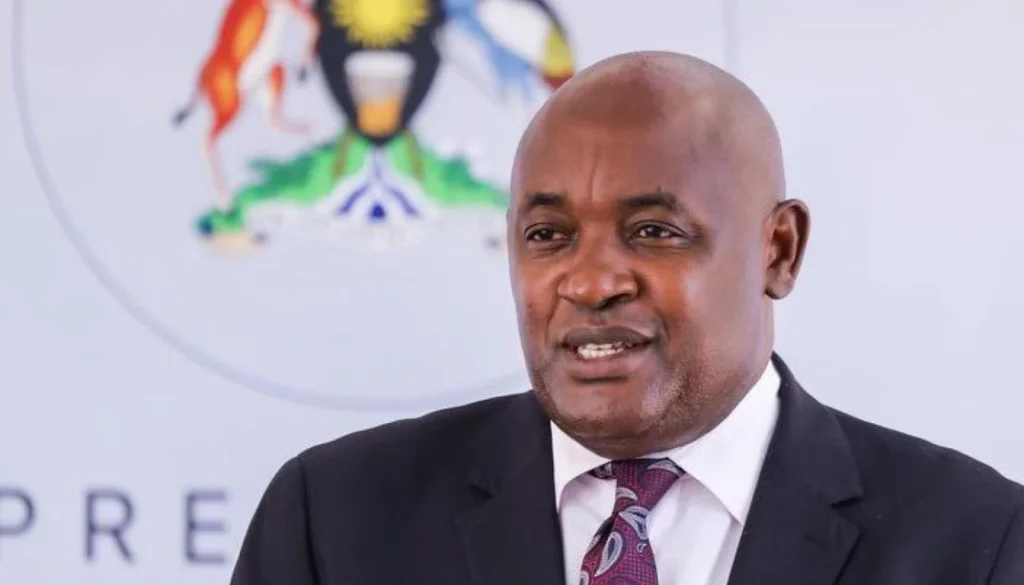
Uganda has been declared Ebola-free, with the country now free of the deadly virus, which was recently imported from its neighbouring DR Congo.
Uganda Ebola-Free, This decision was made after completion by the country of the 42-day observation period required by the World Health Organization (WHO). However, while Uganda can celebrate its success, the DR Congo Ebola outbreak is continuing, becoming one of the fastest-growing outbreaks.
Uganda Meets WHO Ebola-Free Criteria
According to Uganda’s Ministry of Health, the country has interrupted the chain of transmission of the virus after releasing the last Ebola patient on 16 June.
Based on the information provided by health authorities, Uganda reported 20 confirmed Ebola cases during the Ebola outbreak, all of which came about through infections from the DRC’s Ituri Province.
The outbreak was caused by a documented importation of Ebola that began when patients entered Uganda from the DRC before the confirmation of the disease in the DRC.
After the final patient was declared recovered, all contacts underwent the 21-day isolation period, with no additional cases identified via enhanced surveillance throughout the nation.
Two complete cycles of the Ebola incubation period, totaling 42 days, passed without additional cases being reported, resulting in Uganda officially being declared Ebola-free.
Quick Response Helped Contain the Outbreak
The rapid response by the public health officials was critical in preventing the wider spread of the disease in the community.
The government took several actions immediately following the reporting of the first cases, including:
- Contact tracing and quarantine of all contacts
- Disease surveillance in all border districts
- Public education on behavior modification
- Suspending public transportation and flights between the DRC and Uganda
- Suspending major gatherings of people, including an annual religious pilgrimage near Kampala
President Museveni has further called upon Ugandans not to shake hands and other types of physical contact as a way of trying to prevent transmission.
Uganda has gained considerable experience in handling outbreaks of the Ebola virus given the many outbreaks that have occurred within the past two decades.
Ebola Spreads to DR Congo
While Uganda has managed to contain the virus, things continue to get out of control in the neighboring DRC.
According to the Congolese Ministry of Health, the country has now registered 3,262 Ebola infections and 1,437 deaths from Ebola, making it the fastest-spreading Ebola outbreak in the country’s history.
The health authorities fear that the outbreak will soon surpass the country’s largest Ebola outbreak, which took almost two years.
However, the current outbreak has managed to reach the same number of cases in just 10 weeks, making it one of the fastest-spreading outbreaks.
This outbreak is caused by the Bundibugyo strain of the Ebola virus, which currently has no vaccines or cure.
Challenges in Security Persist to Hinder Response Efforts
There still persist significant operational problems faced by the health workers in eastern DRC.
The response teams have expressed concerns regarding their inability to access the affected communities because of insecurity, attacks by armed groups, and resistance from the locals in some instances.
This has posed complications to one of the most effective approaches in controlling Ebola outbreaks, which entails identifying, tracing, and isolating the individuals who had contact with the infected ones.
Public health experts are concerned that any weaknesses in the contact tracing process will increase chances of community transmission and hence allow the virus to spread more.
Vigilance in the Region is Still Vital – Uganda Ebola-Free
Despite the country having been pronounced Ebola-free, the health officials caution that there is still risk of importing cases to the country so long as the epidemic persists in the neighboring DRC.
Border surveillance, testing and emergency preparedness efforts are going to persist in the districts that share a border with eastern Congo.
The WHO and other regional health organizations have encouraged the neighboring states to be on high alert while assisting in curbing the epidemic where it originated.
