
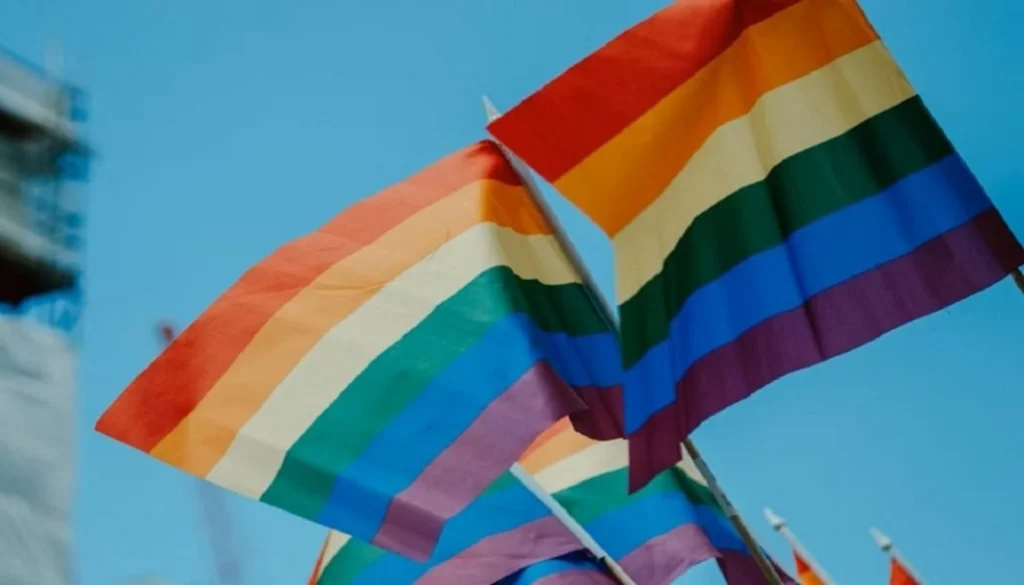
A new report is raising alarm about the human cost of Senegal’s tougher laws. The LGBTQ+ crackdown in Senegal is pushing people into hiding and putting public health at risk, according to Human Rights Watch, which published its findings on Monday.
The numbers behind the headlines
Rights groups estimate that at least 212 people were arrested between February and July, while another organisation puts the figure above 300. None of these counts has been officially confirmed. The new law, passed by parliament earlier this year, doubles prison terms for homosexuality to between five and ten years. It also makes it a crime to promote or finance homosexuality.
Same-sex activity has been illegal in Senegal since 1965. Rights groups say hostility has grown sharply in recent years.
A health crisis in the making
Human Rights Watch says the climate of fear is discouraging people from getting HIV testing and treatment. This is the kind of effect that reaches well beyond one community. When people avoid clinics, infections go undiagnosed, and treatment gaps widen for everyone.
Part of a wider African debate
Senegal is one of more than 30 African countries that criminalise same-sex relations. Supporters of such laws often frame them as defending local values, and the debate is deeply felt across the continent. Critics, including rights organisations, argue that criminal penalties fuel stigma and violence and undermine basic rights.
For readers in Dakar, Lagos, Nairobi or Johannesburg, the question is increasingly practical as well as moral. What do these laws mean for public health, for policing and for the rule of law? The report suggests the answers will shape Senegal’s reputation, and its health outcomes, for years.
Read More
African Commission Session Starts Today in Addis Ababa
Exposing Global Support for Sudan’s Army and Its Human Rights Violations
Human Rights Group Charges Sudanese Paramilitary of Sexual Violence During Current Conflict
