
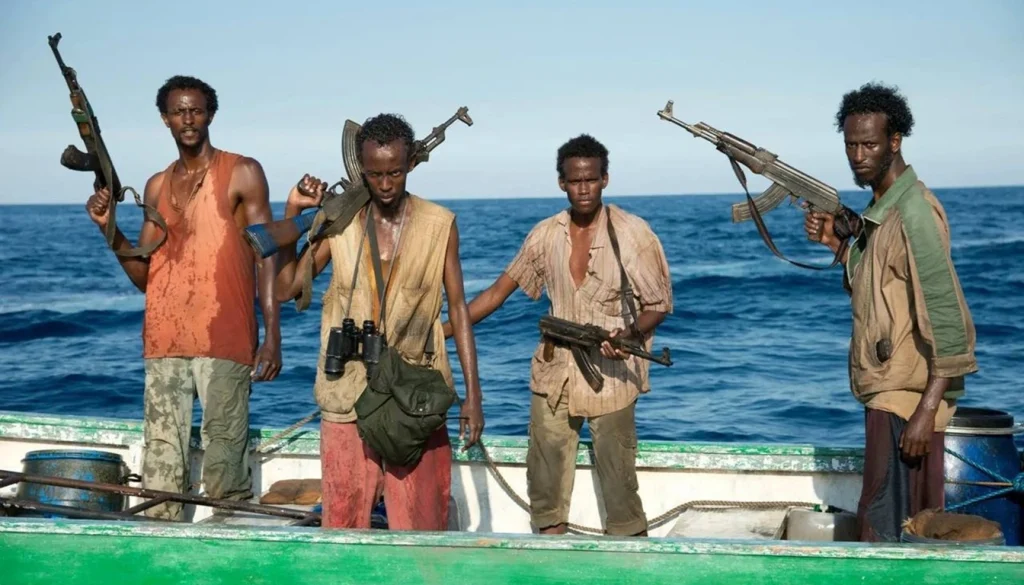
The sea has always fed the families of Somalia’s coast. Somali piracy is back in the headlines, and for the fishing town of Bander Beyla in Puntland, the cost is being counted in empty nets and nervous nights.
A town in the middle
Piracy has surged off Somalia since late April 2026. Several hijacked vessels were held near Bander Beyla, bringing the crisis to the doorstep of ordinary fishermen.
In late August, local authorities barred boats from going to sea, fearing that pirates were disguising themselves as fishermen. Abdifatah Mohamed, who has fished for 20 years, says it felt like punishment for crimes he had nothing to do with. He describes a two-way risk. Go out, and you may be accused of supplying pirates or mistaken for one by foreign navies. Stay home, and the family goes hungry.
Dozens have reportedly been arrested, many for bringing food or khat to pirates. Shops were told not to sell to them. The restrictions were lifted on October 1 after operations freed three ships. The International Maritime Organization confirmed that 44 seafarers were released, though five crew members died during one rescue.
Kinship, not just crime
Researcher Jethro Norman of the Danish Institute for International Studies says piracy cannot be understood only as crime at sea. Clan ties can supply credit, equipment, manpower and protection on land. That is why counter-piracy efforts end up reaching into everyday commercial life, and why supply boats from Yemen have stopped arriving.
Many fishermen add that foreign trawlers are emptying Somali waters, a grievance that has pushed some young men toward armed groups. Mohamed admits it is hurting his own community. Residents recently stopped a group of armed youths from heading out to sea, because they knew the town would bear the consequences.
Why the pirates returned
Analysts say international navies shifted attention to the Red Sea after Houthi attacks began in late 2023, leaving gaps along the Somali coast. Puntland’s maritime police have also been stretched thin by fighting against ISIS in the Al-Miskad mountains.
Maritime security in the Indian Ocean matters well beyond Somalia. Ships carrying African imports and exports pass these waters, and Horn of Africa security affects trade, fuel prices and food costs far inland.
Helicopters from the European Union naval force still hover over Bander Beyla. The residents of Bander Beyla want something simple, a livelihood and a safe return to shore. Lasting security will depend on giving them one, not only on chasing the men who hijack ships.
Read More
Despite persistent threats, the US extends a national emergency for Somalia
