
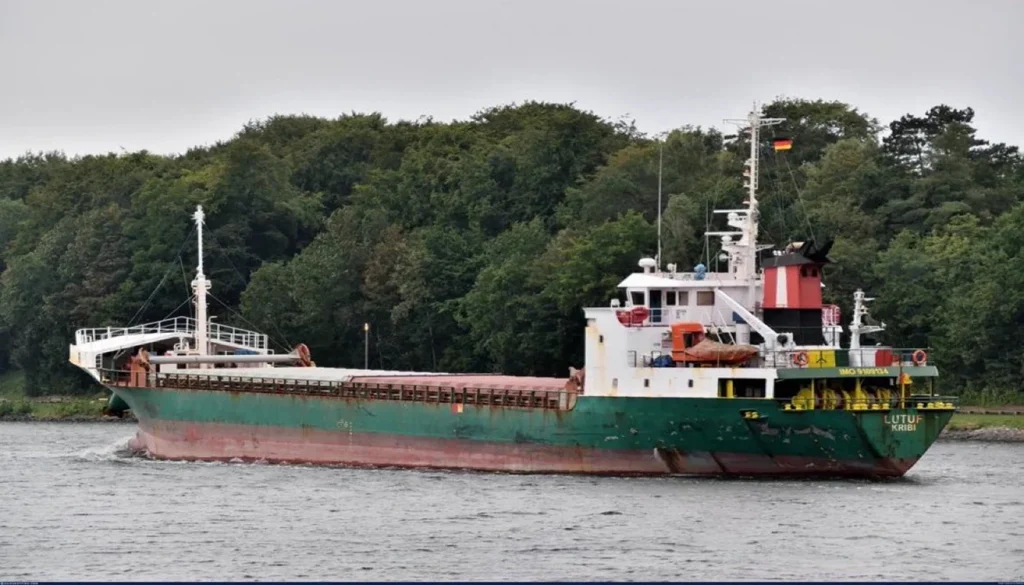
14 pirates were slain and four pirate vessels sunk in a 10-day joint mission carried out by the Turkish Navy and Somalia’s armed forces to free the hijacked MV Lutuf near Somalia.
The rescue mission resulted in the recovery of the Cameroonian-registered cargo ship after the remaining pirates fled due to continued onslaught by the joint forces. The cargo vessel is currently sailing on its way, but no further details on the health of all eight crew members are provided.
This operation comes amid rising global fears over the resurgence of piracy in the regions of the Horn of Africa, with piracy incidents targeting commercial shipping having risen in 2026.
Rescue of the MV Lutuf
Armed pirates seized control of the MV Lutuf on August 17, 2026, in the waters of Nugaal in Puntland, Somalia.
The ship remained under the control of pirates until Turkish and Somali forces embarked on an operation to rescue it.
The ten-day-long operation was carried out under the defence cooperation deal between Türkiye and Somalia, whereby constant pressure was exerted on the pirate group.
During the operation, four pirate boats were destroyed and 14 pirates killed; the rest of the pirates gave up on the ship.
The Somali authorities said that the ship was returned to government control and was deemed safe to continue its journey.
There were eight crew members on board, one being Turkish. The Somali Ministry of Defence did not immediately give details about their well-being.
Somalia Sees Return of Piracy Problem
This rescue took place at a time when Somalia’s piracy problem is resurfacing.
It has been reported that roughly five cargo ships have been seized off the coast of Somalia in 2026, with about 15 piracy attacks reported in Somalia’s waters.
This comeback comes at the expense of what used to be a marked improvement in the situation in the period after the peak years of Somali piracy, which were the early 2010s.
The level of piracy attacks that occurred in 2011 was unprecedented, leading to naval interventions, escort operations, and various anti-piracy strategies.
Nevertheless, security circumstances have changed greatly by 2026.
Why Piracy Is Increasing Again in the Horn of Africa
One reason for the increase in piracy is the disruption of shipping lanes within the Middle East.
With various security problems being faced in the Red Sea and the Persian Gulf, involving the Houthis, shipping companies have had no other option but to review their old routes.
The closing or disruption of main shipping routes has compelled ships to travel longer distances through Africa.
Thus, not only have the duration and cost of trips increased, but the risks associated with such routes have also increased for these ships.
For Somali pirates, the increased commercial activity provides them with an increased number of targets.
Moreover, shipping companies have higher insurance costs, fuel costs, and security-related expenses.
A New Challenge for Shipping Security Emerges in the Horn of Africa
The International Maritime Organization has warned about the rise in the number of acts of piracy and armed robbery taking place in the Horn of Africa.
This region’s geographical position is very difficult to secure. Somalia has a lengthy coastline which overlooks some of the most important shipping lanes in the world. The Gulf of Aden is an important link that connects the Indian Ocean and the Suez Canal.
It follows that any significant increase in piracy in the area will inevitably have consequences that go beyond Somalia.
Commercial interests will face higher costs either through increasing their expenses on security measures or by adopting longer shipping routes.
All of this comes in the midst of disruptions facing shipping companies in other parts of the region.
Turkey and Somalia Boost Maritime Cooperation
The mission of freeing the MV Lutuf is one more sign of how much the security relations between Türkiye and Somalia have developed.
Their defense agreement has brought the two states closer together, especially regarding maritime security in Somalia.
The operation is also of importance to Ankara in terms of growing its security and diplomatic relations with Somalia.
In regard to Somalia, cooperation with foreign navies increases the capability of dealing with security issues that persist in the country.
In view of this, the recovery of MV Lutuf can become an important instance of how international cooperation can help address the piracy issue that is facing Somalia currently.
What Next in Regard to Maritime Security in Somalia?
First of all, it is important to prevent the attacks from becoming a piracy crisis.
Regarding the suppression of Somali piracy more than a decade ago, the use of naval patrols, intelligence sharing, cooperation with local authorities, and security on board ships was used.
Nowadays, the same strategy may need to be implemented once again.
The elimination of 14 pirates and four pirate boats is an important warning message to piracy groups in the region. However, such factors as poverty and unemployment still constitute challenging conditions that have allowed pirates to operate.
What’s Shaping Somalia’s Future Today?
Is Saudi Arabia Reshaping Somalia’s Security?
Check out how Saudi Arabia’s growing military involvement could transform Somalia’s geopolitical landscape.
Could Somalia Lose Vital Security Support?
Find out what could happen if international funding for Somalia’s security mission ends.
Why Did Abiy Ahmed Visit Mogadishu?
Uncover the key reasons behind Ethiopia’s Prime Minister Abiy Ahmed’s visit to Somalia.
Why Is the US Freezing Visa Processing?
Browse the latest developments surrounding the US visa processing freeze affecting Nigeria, Somalia, and others.
How Is UAE Helping Somalia’s Flood Victims?
See how the UAE’s 700-tonne food aid is supporting flood-affected communities in Somalia.
