
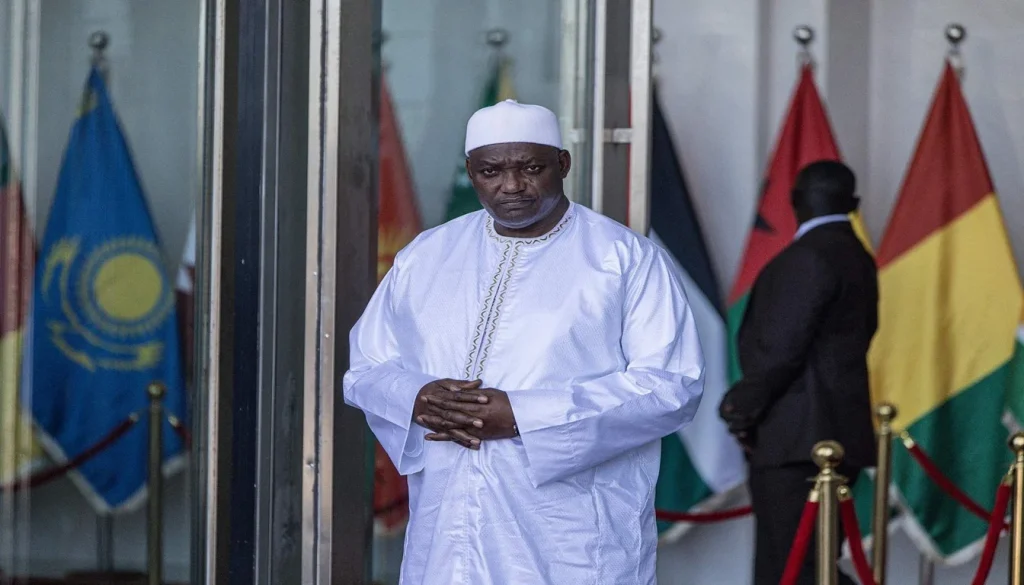
There have been protests in and around Banjul in Gambia owing to a worsening electricity crisis in the country. Citizens of Gambia are staging a protest and have burned tires and blocked roads in the country as they demand that President Barrow step down from his post.
The protests started overnight between September 7 and 9 as people had electricity outages that lasted up to 48 hours. The citizens have gathered outside the office of President Barrow and NAWEC (National Water and Electricity Company).
Why Have There Been Increased Electricity Cuts in The Gambia?
There has been an electricity crisis for several months now. NAWEC instituted the load shedding system back in June, with residents experiencing up to eight hours of outages a day in some areas. The company said the temporary arrangement was partly caused by decreased availability of electricity in the region.
The matter has only gotten worse, as people have started experiencing longer and unpredictable power cuts.
According to Barrow, during a speech made on September 8, high electricity demand, issues with generating units, seasonal decrease in hydropower generation, as well as poor planning, generation, and maintenance were the reasons behind the electricity crisis. NAWEC also noted that the unusually hot weather and some geopolitical factors, including the war with Iran, affected electricity production.
Gambians Say Blackouts Have Made Life Impossible
For many people living in The Gambia, the electricity crisis is also an economic one.
A fishmonger called Nyima Sonko said she lost money, as her fish couldn’t be stored due to lack of electricity. Spoiled goods meant loss of income for people whose livelihoods depend on selling perishables.
Market trader Jula Jagne, on the other hand, explained that power outages could last for six or seven hours at once and that the traders go for the whole day without electricity. The lack of ice makes it harder for them to preserve meat and other products.
Protests have erupted in the streets, with demonstrators calling for Barrow to step down from office.
Barrow Declares Electricity Crisis as National Emergency
Barrow described the electricity crisis as both an “emergency” and a “national security issue.”
While addressing the citizens in his speech delivered on September 8, the president called upon them to stay calm, saying that the electricity situation would improve by the end of October.
The government will inaugurate a new 24MW generator at the Brikama Power Station by the end of October. Besides, it signed a deal to build a 50MW solar power plant in Soma.
Barrow formed the Presidential Task Force for Electricity Supply to monitor the situation.
Why the Crisis Matters ahead of the Election
The timing of the protest makes the electricity crisis very sensitive indeed.
President Barrow is looking forward to a third term in office during the presidential elections, which will take place in December. This puts additional pressure on the government to show that the situation with electricity can be improved and made stable before people vote in the elections.
The protest underlines the difference between increasing the coverage of electricity and creating a reliable supply system. According to the president, electricity coverage has gone up from about 36% in 2017 to 90% now, but he warns that all these achievements may become worthless due to the ongoing crisis.
What Will Happen Next?
First of all, it will be important to see if additional electricity production will bring some results and help to solve the problem of electricity blackouts before the October deadline.
Unfortunately, for people and companies who have already suffered financially due to lost products and earnings, it is getting increasingly difficult to wait patiently.
Explore these related stories for deeper insights into Africa’s latest political and security developments.
Why Is Kenya Targeting Foreign Traders?
Check out the reasons behind Kenya’s crackdown on undocumented East African businesses.
What Happened During Niger’s Mutiny?
Uncover Niger’s accusations against France and what could happen after the failed coup attempt.
Why Did South Africa Protests Turn Violent?
Find out what triggered the anti-migrant violence and what developments may follow.
What Should You Know Before Morocco Votes?
Browse the key details about Morocco’s election campaign ahead of September 23 voting.
Why Are Baidoa Forces Clashing?
Dive into the tensions between Somalia’s federal forces and South West State militias.
