
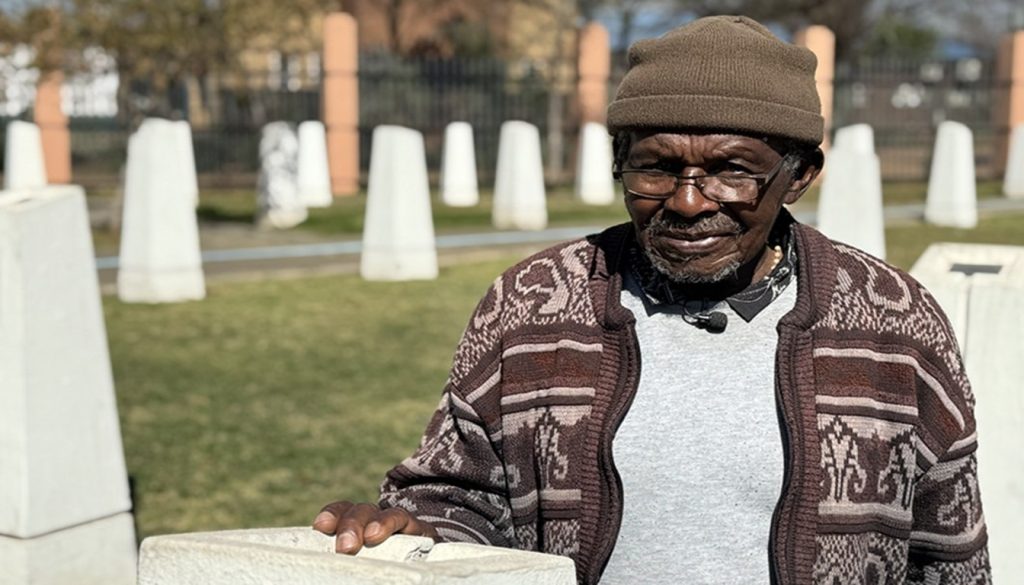
Over six decades after apartheid police fired upon protestors in Sharpeville, the victims and survivors of the Sharpeville Massacre have decided to sue the South African government over compensation and the abolition of legislation that they consider has prevented them from pursuing justice in South Africa for almost 60 years.
The case was launched by Lawyers for Human Rights in September 2026, with the applicants challenging the continued validity of the Indemnity Act 61 of 1961. The legislation is an apartheid era piece of legislation that survivors and more than 70 victims’ relatives find objectionable.
The case has been launched 66 years after the incident took place.
What Happened at the Sharpeville Massacre?
On March 21, 1960, the police of apartheid South Africa shot at the crowd that had gathered around the Sharpeville police station to protest the pass laws restricting the movement of Black South Africans.
According to the police documents of the time, 69 people were killed and 180 injured. According to research conducted and submitted by the applicants, there was an even greater number of casualties, with 91 people killed and 238 injured.
It was a highly controversial event that caused outrage in the country and internationally and was a crucial point in the struggle against the system of apartheid. It is now commemorated as Human Rights Day.
However, for those who survived and for their relatives, the impact of that day lasted for much longer than just the minutes when the shootings took place.
Why Do Sharpeville Families Sue the Government Now?
The lawsuit is more than a mere attempt to revive an old case. The applicants claim that the law still prevents them from receiving damages.
Following the massacre, hundreds of compensation claims were made. According to lawyers representing the applicants, the South African apartheid government passed the Indemnity Act in 1961, which prohibited civil and criminal actions against certain state officials and extinguished claims related to conduct mentioned in the Act.
The applicants demand that the Gauteng High Court declare the law unconstitutional and thus remove the obstacle preventing them from pursuing claims.
In addition, they claim that having the Act in effect violates their constitutional right of access to courts.
What Compensation Do the Families Seek?
According to the families’ claims, the damages they suffered were not limited to immediate deaths and injuries.
For many victims, their deaths left behind children without fathers and the household without an income earner, while the surviving members have been left permanently disabled and psychologically damaged.
Lawyers for Human Rights states that although reparations have been recommended for victims of atrocities during the time of apartheid by the Truth and Reconciliation Commission (TRC) in the post-apartheid period, they were not fully implemented.
A total of only 51 people who survived the Sharpeville Massacre have received reparations, according to Lawyers for Human Rights. According to them, the reparations were very inadequate compared to what was promised to the victims.
Some of the families have suffered economic consequences over the years.
Why the Indemnity Act of 1961 is Important to the Case
The Indemnity Act plays a central role in the whole case.
The applicants state that it was an act that shielded the apartheid regime from any accountability following the incident. As long as the law remains in the statute books, it will continue preventing victims and their dependents from being compensated.
The government may be able to claim that the cases are too old to be considered. Lawyers for the applicants will state that the Indemnity Act has served as a shield to the limitation period.
No decision has been made by the court regarding the constitutionality of the Act, and there has been no finding of liability for compensation on the part of the government to the applicants.
Where to from here in the Sharpeville Case?
The next legal challenge will be whether the applicants can convince the Gauteng High Court to give them the constitutional remedy they want, thereby certifying their class action claim.
Following that, compensation claims may be made individually by victims and dependants as part of the class action process.
But there may be more to the case than simply Sharpeville since it touches on historical wrongs committed during the apartheid era.
Explore these related stories for deeper insights into Africa’s latest political and security developments.
Why Is Kenya Targeting Foreign Traders?
Check out the reasons behind Kenya’s crackdown on undocumented East African businesses.
What Happened During Niger’s Mutiny?
Uncover Niger’s accusations against France and what could happen after the failed coup attempt.
Why Did South Africa Protests Turn Violent?
Find out what triggered the anti-migrant violence and what developments may follow.
What Should You Know Before Morocco Votes?
Browse the key details about Morocco’s election campaign ahead of September 23 voting.
Why Are Baidoa Forces Clashing?
Dive into the tensions between Somalia’s federal forces and South West State militias.
