
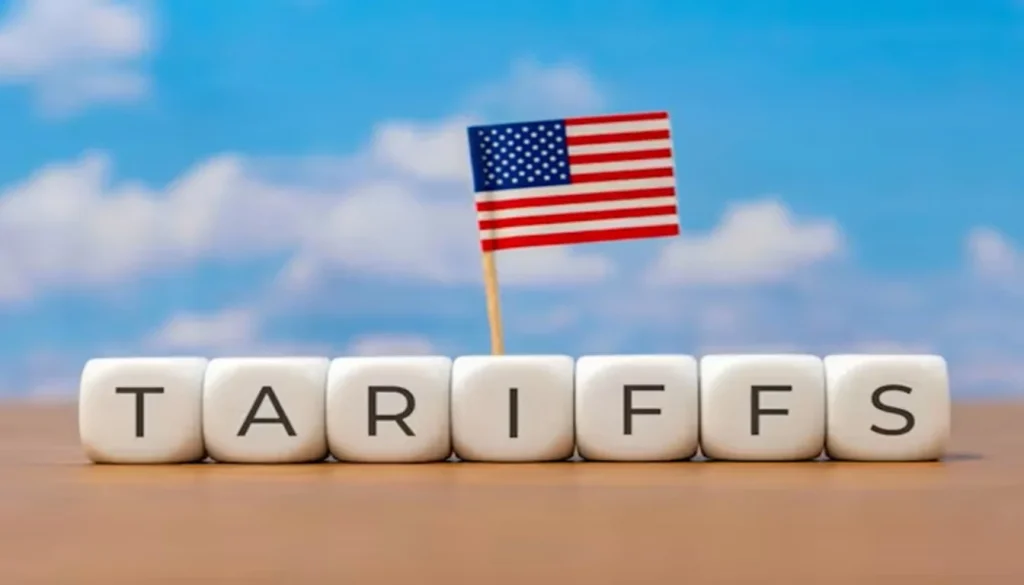
The imposition of new reciprocal tariffs by US President Donald Trump is having an effect on trade relations between the US and some African economies. The new measures will impose a base tariff on the importation of most goods, but also country-specific higher tariffs on certain trading partners. Textile, apparel, automobile manufacturing, and agricultural exports will be among those industries facing the most difficulties, except for critical minerals, which will not be subject to any tariffs.
Some African nations that have depended on favorable trade terms to export products to the US under the provisions of AGOA will be impacted significantly.
Exporters of Textiles and apparel are faced with the Greatest Difficulty
One of the worst-hit industries is the textiles and apparel industry in Africa.
Some countries like Lesotho, Madagascar, and Mauritius have established export-oriented garment industries that rely highly on the availability of the US markets through AGOA. In relation to the new tariff, these countries will be subject to high import tariffs, for which it has been reported that Lesotho will pay tariffs as high as 50%, Madagascar 47%, while Mauritius 40% for some products.
High tariffs increase the cost of African-made apparel, hence limiting their demand, and in addition to that, they add pressure on companies that are already struggling to compete with cheaper products from other sources.
It has been pointed out by industry experts that the changes may affect employment within the export processing zones because production of apparel has been the primary source of employment.
Automotive and Agricultural Industries of South Africa Facing High Tariffs
One of the biggest exporters in Africa to the US, South Africa, has also faced difficulties.
The country will have to pay approximately 30% tariffs on selected exports.
The South African central bank has also warned that any continued trade disruption may have an impact on investments, export earnings, and jobs, where estimates suggest that hundreds of thousands of jobs are under threat due to weakening export demand.
Businesses will consider the possible impact of the tariffs on their decision-making processes and the possibility of gaining access to the American market.
Energy and Critical Minerals Get a Split Treatment
In relation to the energy and mining sector of Africa, the story is more mixed.
The countries like Angola and Nigeria will experience different levels of tariffs on some of their export goods, such as crude oil and related items. However, some of the minerals, which include cobalt, platinum, and lithium, considered very important for U.S. manufacturing and energy industries, have been mostly spared from harsh tariffs.
This reflects the policy of Washington to secure reliable sources of minerals without reliance on rival supply chains around the world.
Given the growing demand for battery metals and industrial metals, mineral-rich African countries might become important business partners despite increasing tariffs.
Potential Customs Penalties for Manufacturers
Apart from regular tariffs, certain African exporters may incur additional customs sanctions.
Manufacturing centers like South Africa, Egypt, and Morocco can receive additional fines if the supply chain is found to involve materials that originate in regions under enforcement of forced labor tariffs.
This would result in increased expenses in terms of additional documentation and customs inspections, which would complicate international trade even if goods are not subjected to increased tariffs.
Companies will thus need to make their supply chain management better to have access to the American market.
Implications of the Tariffs for African Trade
New U.S. tariffs come in at a difficult time for the economies of most African nations.
Nations that depend heavily on AGOA will probably try to look for new export markets while increasing the rate of intra-African trade via the AfCFTA framework. Countries will also have to conduct negotiations with Washington regarding the tariff regime.
Despite the fact that strategic minerals are relatively safe, industries such as garments, agriculture, and auto manufacturing may face serious difficulties.
You May Also Like
Discover Cape Town’s best local dishes
Check where to enjoy authentic bunny chow and bobotie across Cape Town.
Explore affordable travel destinations worldwide
Discover budget-friendly places perfect for your next affordable travel adventure.
Check most visited cities in Africa
Explore popular African cities attracting the highest number of global tourists.
Discover luxury travel spots across Africa
Check the best safaris, islands, and premium destinations for a lavish trip.
Explore top things to do in Accra
Discover must-visit attractions and experiences in Accra for travelers in 2026.
