
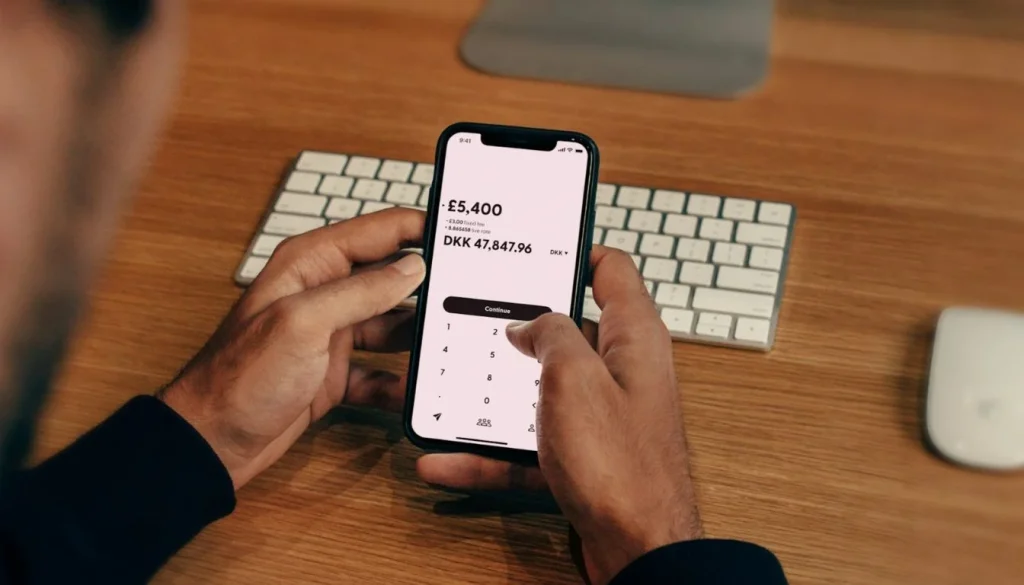
The application of mobile money services such as M-Pesa, Airtel Money, Pesapal, and Kenswitch in Kenya might incur additional costs to Kenyans owing to the newly proposed charges in the Finance Bill 2026.
The National Treasury is proposing to add a 16% VAT on the charges made by the payment platforms, which will definitely have an effect on the transaction fees being charged.
New M-Pesa transaction fees Kenya, More than 40 digital money payment platforms will be affected by the proposed changes if passed.
Reasons Why M-Pesa Fees Would Be Higher Under The Proposed VAT
The treasury officials state that the new VAT will not be applicable directly to the money being transferred. The VAT will rather apply to charges levied on money transfers via payment service providers.
According to Albert Mwenda, the Treasury Budget Director-General, information and communications technology systems facilitating pay bills and till services would fall under the VAT requirements.
In effect, customers could pay higher transaction fees every time they carry out transfers using their mobile phones.
Presently, the M-Pesa charges KSh 7 on transfer of money between KSh 101 and KSh 500, and the maximum fee stands at KSh 108 for transfers above KSh 50,000.
In case a client wants to transfer KSh 1,000 using M-Pesa, he/she might experience slight changes in the transaction fees due to VAT costs.
Reasons Why M-Pesa Will Be Targeted For Taxation
M-Pesa has been the most popular mobile money service provider since its inception in 2007.
Every day, M-Pesa processes millions of shillings and contributes greatly to the bottom line of the parent company, which is Safaricom.
The Kenyan business of Safaricom has reached the KSh 100 billion mark for the first time.
Will Fuliza and M-Shwari Services Be Taxed?
A few financial products associated with the M-Pesa platform might continue being exempt from VAT despite the proposed reforms.
As per Treasury officials, Fuliza and M-Shwari are provided via partnership models involving Safaricom and commercial banks, and as such, they may not be subjected to the new VAT regulations.
They explained that it will depend on the type of financial product provided.
At the same time, small mobile money transactions valued at less than KSh 100 will likely continue being zero-rated.
KRA Seeks Expanded Taxation Powers under Finance Bill 2026
The Finance Bill 2026 contains some suggested modifications that would allow KRA commissioners to exercise wider powers regarding tax assessments based on secondary information sources, including withholding tax information contained in iTax.
These recommendations have been made after the ruling by the High Court that prevents KRA from levying taxes on payment service providers like Pesapal and Kenswitch.
Conclusion
A proposed VAT to be imposed on payment platforms in Kenya can significantly alter the cost dynamics of money transfers via mobile phones if the Finance Bill 2026 passes into law.
Although the tax seeks to impose usage fees on the payment platform, customers of mobile money services like M-Pesa and Airtel Money will still experience its effects.
More Stories You Shouldn’t Miss
What drives Lagos fintech billions growth?
Explore why Lagos fintech startups are attracting massive global investments and shaping Africa’s financial future.
Which mobile wallets rival M-Pesa Africa?
Discover the top M-Pesa alternatives leading Africa’s mobile wallet wars in 2026 and beyond.
How FLEX zero fee payments impact?
Check how FLEX is transforming Nigeria’s mobile payments with zero fees and disrupting traditional systems.
Which African businesses deliver highest profits?
Explore the most profitable business opportunities across Africa for entrepreneurs and investors today.
Who are South Africa’s youngest entrepreneurs?
Discover the top young entrepreneurs in South Africa making waves and redefining success early.
